
Group I Group II P. Cardinal Fossula 1. Calymene Q. Chrondrophore 2. Rhynchonella R. Lophophore 3. Zaphrentis S. Glabella 4. Mya
Invertebrate Features Matching Solution
This solution matches the features listed in Group I with the correct invertebrate genera from Group II.
Matching Explanation
- P. Cardinal Fossula: This feature is characteristic of certain fossil corals, particularly Rugose corals. Zaphrentis (3) is a genus of Rugose coral that exhibits a fossula.
- Q. Chrondrophore: A chrondrophore is a calcified structure found in the hinge area of some bivalve mollusks, used for muscle attachment. The genus Mya (4), a type of clam, possesses a chrondrophore.
- R. Lophophore: The lophophore is a distinctive feeding organ found in Lophophorates, including brachiopods. Rhynchonella (2) is a well-known genus of articulate brachiopod characterized by its lophophore.
- S. Glabella: The glabella is the central raised lobe on the dorsal surface of the cephalon (head shield) of trilobites. Calymene (1) is a common and widely studied genus of trilobite, featuring a distinct glabella.
Final Matches
Based on the explanations above, the correct matching is:
- P corresponds to 3 (Zaphrentis)
- Q corresponds to 4 (Mya)
- R corresponds to 2 (Rhynchonella)
- S corresponds to 1 (Calymene)
Therefore, the correct option is P-3, Q-4, R-2, S-1.
Important Questions from Paleobiology (Taxonomy, Morphology of Invertebrates)
- Which of the following is/are diagnostic morphological feature(s) of brachiopods?
Based on the three statements given below, choose the CORRECT option.
Statement I: Echinoids have water vascular system.
Statement II: Delthyrium and pedicle foramen are found in the brachial valve of brachiopods.
Statement III: Cardinal teeth, adductor muscles and chondrophore are found in bivalves.- Match the following invertebrate genera in Group I with their corresponding Class/Phylum in Group II:
Group I Group II P. Mytilus 1. Brachiopoda Q. Planorbis 2. Cephalopoda R. Productus 3. Gastropoda S. Acanthoceras 4. Pelecypoda - Given below are pairs of "living fossils". Which one of the following is a brachiopod-mollusc pair?
Match the following patterns (listed in Group I) with their appropriate Cephalopod sutures (listed in Group II). Arrow gives the direction of aperture.
Group I Group II P. 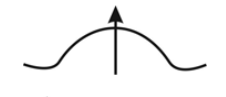
1. Ceratitic Q. 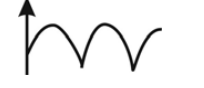
2. Nautilitic R. 
3. Goniatitic S. 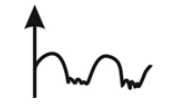
4. Orthoceratitic


