
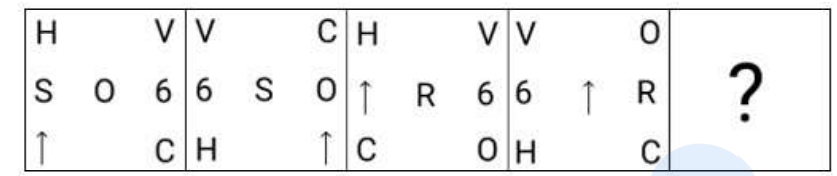
Identify the figure given in the options, which when put in place of the question mark (?) will logically complete the series.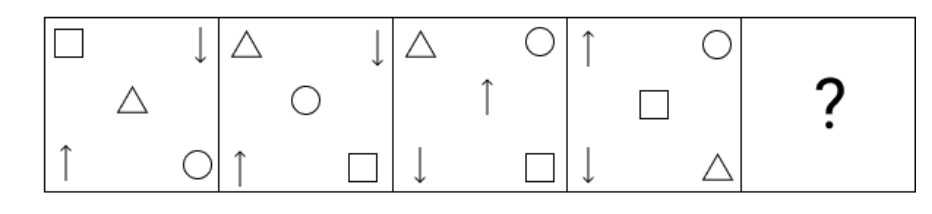
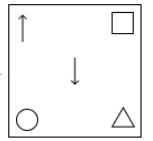
The pattern in the series involves alternating shapes and directional arrows. Each figure follows a particular progression, and the figure that logically completes the series is Option 2. The sequence follows a consistent progression of shapes and directions, leading to the final choice of Option 2.
Similar Questions
Which figure should replace the question mark (?) if the following series were to be continued?
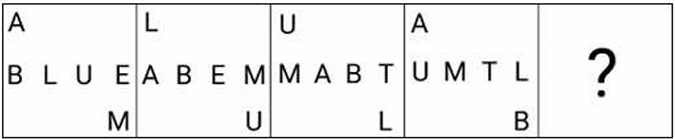
Identify the figure given in the options which when put in place of ? will logically complete the series.

Identify the figure given in the options which when put in place of ‘?’ will logically complete the series.

Identify the figure given in the options which when put in place of ? will logically complete the series.
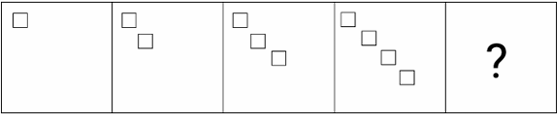
Four letter-clusters have been given, out of which three are alike in some manner and one is different. Select the letter-cluster that is different. Note: The odd one out is not based on the number of consonants/vowels or their position in the letter cluster.
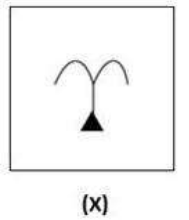
Select the option figure in which the given figure (X) is embedded (rotation is NOT allowed).
Which figure should replace the question mark (?) if the following series were to be continued?
Three of the following four options are alike in a certain way and thus form a group. Which is the one that does NOT belong to that group?
(NOTE: Operations should be performed on the whole numbers, without breaking down the numbers into its constituent digits. E.g., 13 – Operations on 13 such as adding/subtracting/multiplying etc. to 13 can be performed. Breaking down 13 into 1 and 3 and then performing mathematical operations on 1 and 3 is not allowed.)
Study the given diagram carefully and answer the question that follows. The numbers in different sections indicate the number of students who like particular subjects.
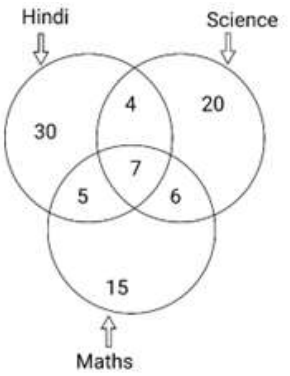
How many students like Hindi and Science both, but NOT Maths?
In this question, three statements are given, followed by two conclusions numbered I and II. Assuming the statements to be true, even if they seem to be at variance with commonly known facts, decide which of the conclusion(s) logically follows/follow from the statements.
Statements:
Some shirts are pants.
All pants are jackets.
All jackets are trousers.
Conclusions:
I. Some trousers are shirts.
II. All jackets are shirts.
Important Questions from Non verbal Reasoning
Consider the following figures 1, 2, 3 and 4:
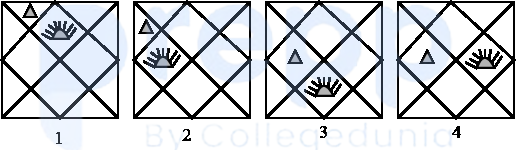
In the figure from 1 to 4 above, two symbols are shown to change their position in a regular direction. Following the same sequence, which one of the following will appear at the fifth stage?
In each item, there are two sets of figures; first four figures named problem figures and next four figures named Answer figures indicates as (1), (2), (3), (4), (5) and (6). The problem figures follow particular sequence.
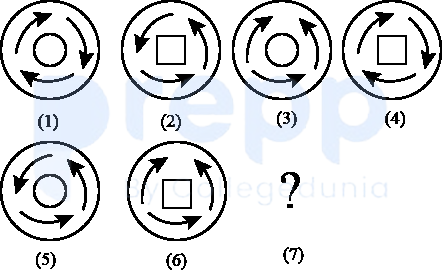
Which one of the following figures would logically come in the 7th position indicated above by a question mark?
There are two sets of figures namely Problem figure containing five figures 1, 2, 3, 4 and 5 Answer Figures (A), (B), (C) and (D) You have to select one figure from the answer set which will continue the same series as given in problem set figures

Consider the following diagrams:
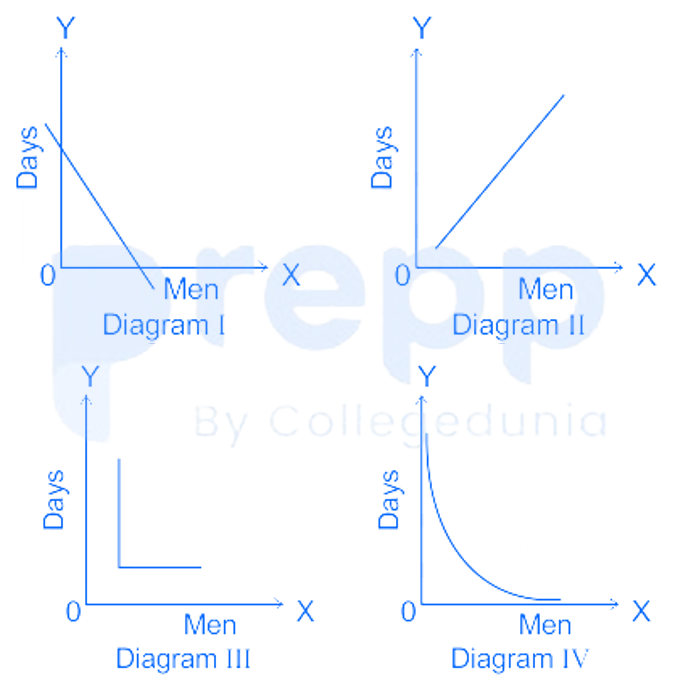
x men, working at constant speed, do a certain job in y days. Which one of these diagrams shows the relation between x and y?
Consider the following matrix:
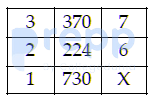
What is the number at 'X' in the above matrix?



