
Carefully observe Figure (X) and identify the option figure in which Figure (X) is embedded exactly as shown. Figure X:
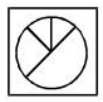
Figure (X) is a circle with two radii: one going straight up from the centre and one going from the centre towards the upper right, cutting off a sector at the top right.
Figures (a) and (c) have only horizontal and vertical lines, so they have no upper-right radius.
Figure (b) has only slanting diameters, so it has no vertical radius.
Figure (d) has a vertical radius at the top and a diameter running from the lower left to the upper right, so both radii of Figure (X) appear in the same position and orientation.
Hence, the answer is figure (d).
Similar Questions
Select the option that is embedded in the given figure ( rotation is NOT allowed) .

Select the option in which the given figure X is embedded (rotation is not allowed)

Select the option that is embedded in the given figure X (rotation is not allowed).

From the given answer figures, select the one in which the question figure is hidden/embedded.
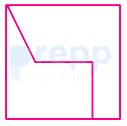
From the given answer figures, select the one in which the question figure is hidden/embedded.

From the given answer figures, select the one in which the question figure is hidden/embedded.
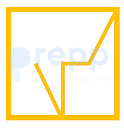
Select the option in which the given figure X is embedded (rotation is not allowed).

From the given answer figures, select the one in which the question figure is hidden/embedded.

From the given answer figures, select the one in which the question figure is hidden/embedded.
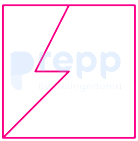
From the given answer figures, select the one in which the question figure is hidden/embedded?

Important Questions from Hidden Image
Consider the following pattern :
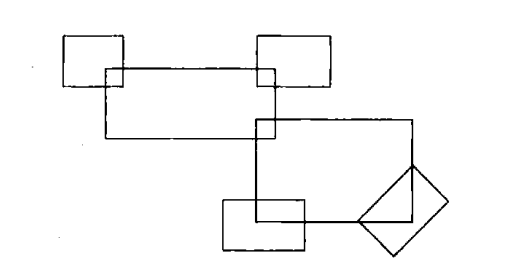
The embedded figure in the given pattern is:
Select the option that is embedded in the given figure ( rotation is NOT allowed) .
Select the option in which the given figure X is embedded (rotation is not allowed)
Select the option that is embedded in the given figure X (rotation is not allowed).
Select the option in which the given figure is embedded (rotation is NOT allowed).




