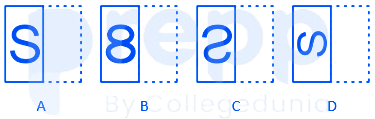
A piece of paper is folded and punched as shown below in the question figures. From the given option figures, indicate how it will appear when opened.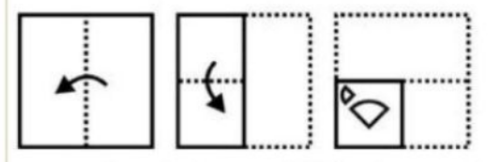
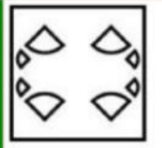
This is a paper-folding-and-punching (visual) problem, so the reasoning is described in principle rather than by redrawing the figure.
The governing rule is symmetry: every fold acts like a mirror. When the sheet is unfolded, each punched hole reappears reflected across every crease it was folded along.
If the paper is folded twice, a single punched hole can multiply into several holes on unfolding, positioned symmetrically about the two fold lines.
To pick the answer one mentally reverses the folds one at a time, reflecting the hole positions across each crease in turn, and then matches the resulting arrangement against the four option figures.
The option whose holes show exactly this symmetric layout is the fourth figure.
Hence, honestly reasoning from the fold-and-reflect method rather than from reproduced detail, the correct unfolded pattern is the one shown in [Figure 4].
Similar Questions
A piece of paper is folded and punched as shown below in the question figures. From the given option figures, indicate how it will appear when opened.
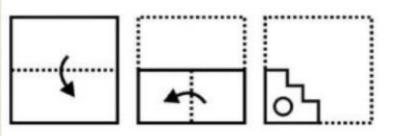
A piece of paper is folded and punched as shown below in the question figures. From the given option figures, indicate how it will appear when opened.
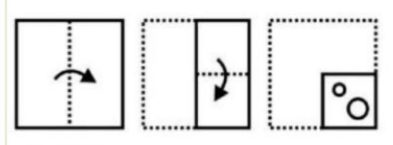
A piece of paper is folded and punched as shown below in the question figures. From the given option figures, indicate how it will appear when opened.
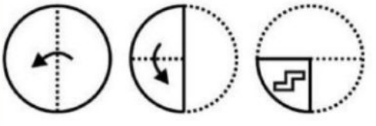
A piece of paper is folded and punched as shown below in the question figures. From the given option figures, indicate how it will appear when opened.
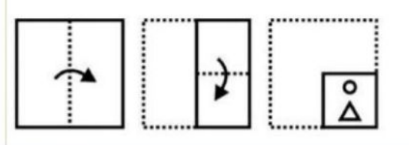
A piece of paper is folded and punched as shown below in the question figures. From the given option figures, indicate how it will appear when opened.
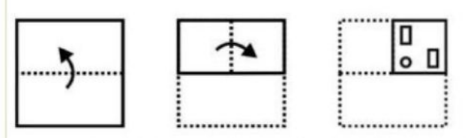
A piece of paper is folded and punched as shown below in the question figures. From the given option figures, indicate how it will appear when opened.
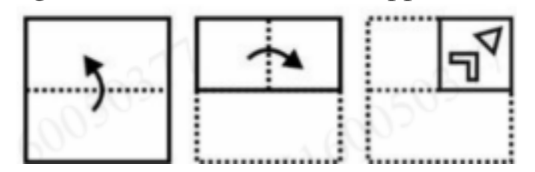
A piece of paper is folded and punched as shown below in the question figures. From the given option figures, indicate how it will appear when opened.
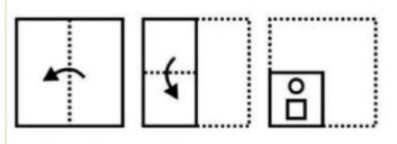
A piece of paper is folded and punched as shown below in the question figures. From the given option figures, indicate how it will appear when opened.
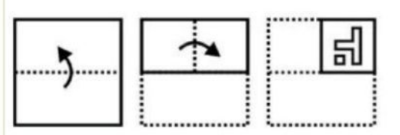
Important Questions from Paper Folding and Cutting
The sequence of folding a piece of paper and the manner in which the folded paper has been cut is shown in the following figures. How would this paper look when unfolded?

The sequence of folding a piece of paper and manner in which the folded paper has been cut is shown in the following figures. How would this paper look when unfolded?

The sequence of folding a piece of paper and the manner in which the folded paper has been cut is shown in the following figures. How would this paper look when unfolded?

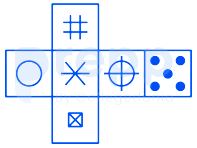
Which of the following cube in the answer figure cannot be made based on the unfolded cube in the question figure?
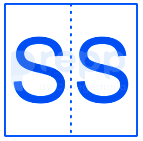
If the transparent sheet is folded at the dotted line, then the resulting figure is