Wroughton’s Free-Tailed Bat: A Rare Discovery in Delhi
Why in the News?
Wroughton’s free-tailed bat was recently spotted at the Yamuna Biodiversity Park in Delhi, marking a rare and significant sighting for the region.
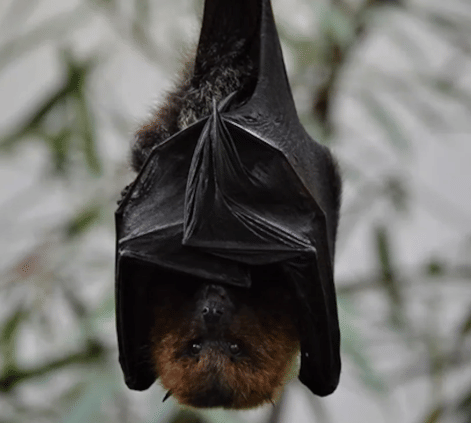
About Wroughton’s Free-Tailed Bat
Scientific Name: Otomops wroughtoni
Wroughton’s free-tailed bat is an exceptionally rare species of molossus bat, notable for its large size, unique features, and ecological significance. These bats play a critical role in controlling insect populations and aiding pollination, making them essential for maintaining ecological balance.
Habitat and Distribution
Preferred Habitat:
- Caves, hollow trees, and other dark, damp, and slightly warm places.
Geographical Range:
- Originally discovered in the Western Ghats of India.
- Known breeding colony: Barapede Caves, Karnataka.
- Additional sightings: Jaintia Hills, Meghalaya, and a single individual in Cambodia.
Characteristics and Behavior
- Physical Features: Large ears extending beyond the muzzle and bicolored velvet-like fur.
- Flight Abilities: Powerful fliers capable of covering long distances during foraging.
- Roosting Habits: These bats roost upside down in caves, typically forming small groups of five to seven individuals.
- Diet: Likely insectivorous, similar to other members of the Molossidae family.
Conservation Status
- IUCN Status: Data Deficient (formerly listed as Critically Endangered due to small populations and restricted distribution).
- Wildlife (Protection) Act, 1972 Status: Schedule I (providing the highest level of protection in India).
Importance of Conservation
Wroughton’s free-tailed bat’s rarity and ecological importance highlight the need for habitat protection and further research. Conservation efforts can ensure the survival of this unique species and contribute to the overall health of ecosystems
Download the PREPP App and attempt FREE IAS Exam Mock Tests and get complete study material!

Live Test : UPSC CSE Prelims CSAT (Paper-II) (Oct 08 - 11)
Full Test - 04: UPSC CSE Prelims CSAT (Paper-II)
Full Test - 03: UPSC CSE Prelims CSAT (Paper-II)
UPSC CSE Prelims 2026 GS Paper 1 Question Paper (24-May-2026)
UPSC CSE Prelims 2026 CSAT Paper 2 Question Paper (24-May-2026)

17 February 2025 | The Hindu Must Read Articles | Current Affairs

16 February 2026 | The Hindu Must Read Articles | Current Affairs

13 February 2026 | The Hindu Must Read Articles | Current Affairs









Comments