U.S. Citizenship by Birth, Global Institution Exits, and Policy Impacts
Why in the News?
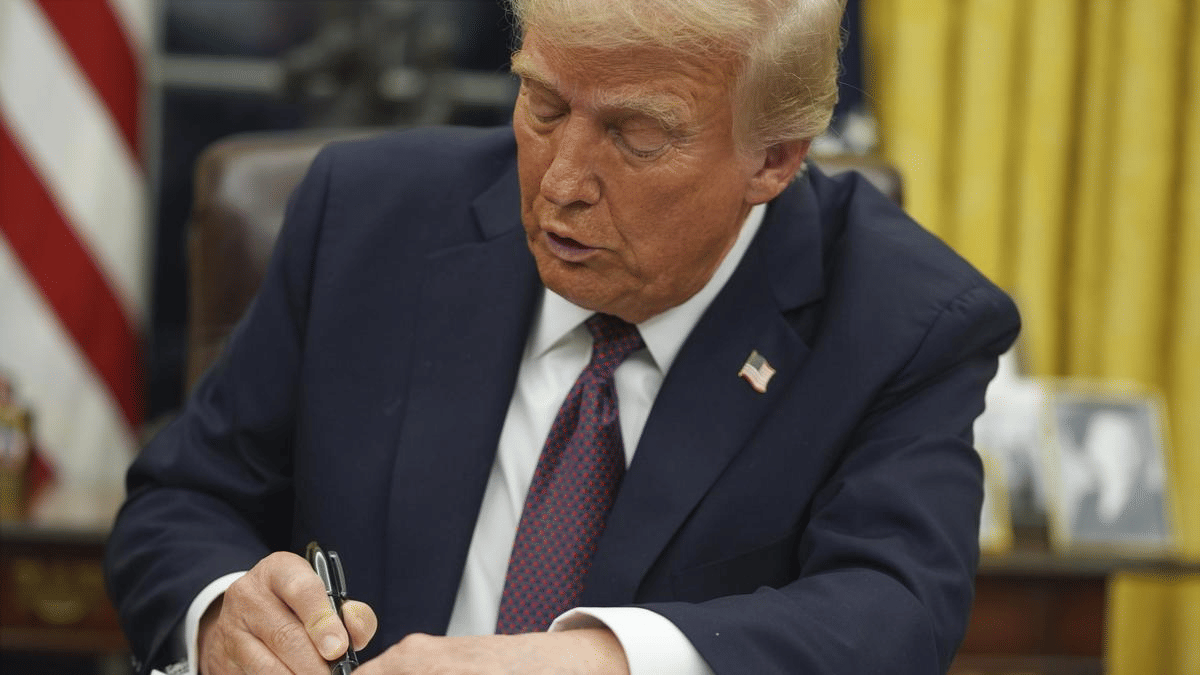
U.S. President Donald Trump has enacted major policy changes, including ending birthright citizenship, withdrawing from the World Health Organization (WHO), and exiting the Paris Climate Agreement, marking a significant shift in U.S. governance.
Key Highlights of Recent U.S. Policy Changes
End of Birthright Citizenship
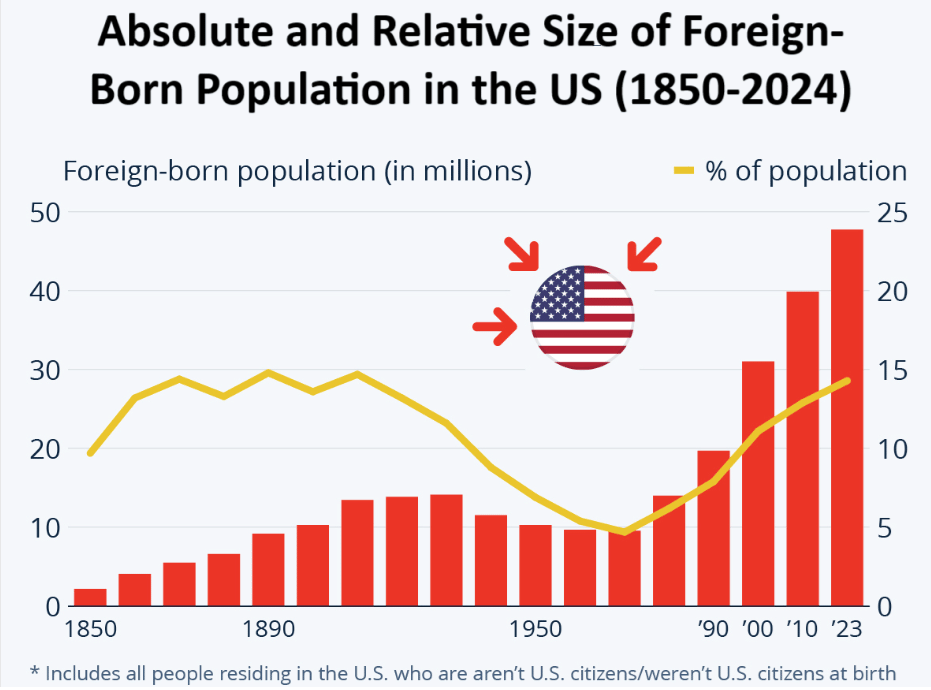
- President Trump has signed an executive order to end automatic citizenship for children born to noncitizen parents, including those on temporary work, student, or tourist visas.
- Constitutional Basis: Birthright citizenship is rooted in the 14th Amendment, which guarantees citizenship to individuals born on U.S. soil, irrespective of their parents' immigration status.
- Order Details: Citizenship will now require at least one parent to be a U.S. citizen or a lawful permanent resident.
- Limited Scope: This change only applies to children born 30 days after the executive order takes effect.
- Legal Challenges: Critics argue the move violates constitutional protections, making it vulnerable to Supreme Court intervention.
U.S. Withdrawal from WHO and Paris Climate Agreement
- The Trump administration has also signed orders to:
- Exit the World Health Organization (WHO), citing alleged bias toward China and pandemic mismanagement.
- Withdraw from the Paris Climate Accord, claiming it is "unfair and one-sided."
Major Impacts of Policy Changes
Legal and Global Ramifications of Ending Birthright Citizenship
- Legal Hurdles: The policy faces significant lawsuits, adding uncertainty to its implementation.
- Logistical Challenges: Authorities will need to establish systems to verify parental immigration status.
- Global Criticism: The move is likely to draw backlash from international human rights organizations.
- Erosion of U.S. Principles: Critics fear this undermines values of inclusivity and equality.
Impacts on India
- H-1B Visa Holders: Indian professionals may face additional challenges regarding their children's residency and citizenship.
- Increased Deportations: Deportation crackdowns could impact over 700,000 undocumented Indians.
Consequences of WHO Withdrawal
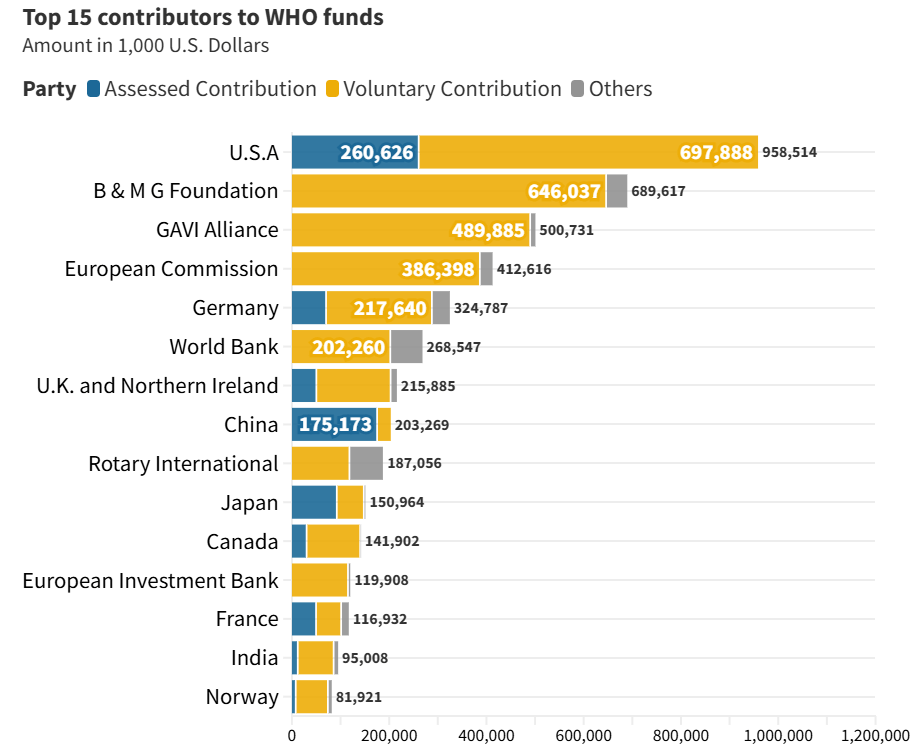
- Global Health Risks: WHO faces a major funding gap, risking setbacks in combating diseases like HIV, tuberculosis, and promoting vaccination campaigns.
- Pandemic Preparedness: The lack of U.S. coordination weakens global efforts to respond to health crises.
- China's Influence: U.S. withdrawal creates an opportunity for China to expand its role in global health governance.
Impacts on India
- Healthcare Programs: Reduced funding for WHO could disrupt vital health initiatives in India.
- Weakened Vaccine Distribution: WHO’s diminished capacity might impact immunization coverage in rural areas.
Implications of Exiting the Paris Agreement
- Environmental Setbacks: The absence of U.S. leadership could slow global efforts to combat climate change.
- Renewable Energy Challenges: Developing nations may struggle without U.S. funding for energy transitions.
- Economic Shifts: Countries like China and the EU could benefit from leadership voids in clean energy investments.
Impacts on India
- Reduced Financial Support: India may find it challenging to secure resources for renewable energy projects.
- Export Concerns: Meeting international carbon standards could become more difficult without collaboration.
Challenges Facing U.S. Policy Changes
- Constitutional Barriers: Legal protections like the 14th Amendment pose hurdles to enforcing these policies.
- Global Credibility Loss: Withdrawal from multilateral agreements damages U.S. leadership in international affairs.
- Domestic Divisions: Federal policies face resistance from states and civil society organizations.
- Economic Risks: Tariffs and isolationist policies may lead to trade wars and market instability.
- Geopolitical Fallout: Reduced U.S. involvement pushes allies like India toward alternative alliances.
The Way Forward
- Legal and Policy Reforms: Implement changes within constitutional frameworks to avoid legal conflicts.
- Rebuild Global Engagement: Rejoin key organizations like WHO and the Paris Agreement to restore U.S. leadership.
- Invest in Alternatives: Allocate redirected funds to strengthen domestic public health and renewable energy sectors.
- Strengthen Bilateral Ties: Deepen partnerships with countries like India to offset geopolitical tensions.
- Foster Public Support: Build consensus through transparent communication to ensure long-term policy stability.
Download the PREPP App and attempt FREE IAS Exam Mock Tests and get complete study material!
*The article might have information for the previous academic years, please refer the official website of the exam.
How likely are you to recommend Prepp.in to a friend or a colleague?
Not so likely
Highly likely
UPSC CSE (IAS) 2027 Prelims Mock Test Series
Live Quizzes
Quizzes
Live Tests

• Live
Live Test : UPSC CSE Prelims CSAT (Paper-II) (Oct 08 - 11)
120 Minutes
80 Questions
200 Marks
English, Hindi
MEDIUM
Test will end in 05:30:11
Full Tests
Full Test - 04: UPSC CSE Prelims CSAT (Paper-II)
120 Minutes
80 Questions
200 Marks
English, Hindi
MEDIUM
Attempted by 19 aspirants in 12 hours
Full Test - 03: UPSC CSE Prelims CSAT (Paper-II)
120 Minutes
80 Questions
200 Marks
English, Hindi
MEDIUM
Attempted by 20 aspirants in 12 hours
Previous Year Papers
UPSC CSE Prelims 2026 GS Paper 1 Question Paper (24-May-2026)
120 Minutes
100 Questions
200 Marks
2,989 Attempted
English, Hindi
MEDIUM
Attempted by 12 aspirants in 12 hours
UPSC CSE Prelims 2026 CSAT Paper 2 Question Paper (24-May-2026)
120 Minutes
80 Questions
200 Marks
3,167 Attempted
English, Hindi
MEDIUM
Attempted by 13 aspirants in 12 hours
Videos

17 February 2025 | The Hindu Must Read Articles | Current Affairs
7,202 Views
•4
•7 months ago

16 February 2026 | The Hindu Must Read Articles | Current Affairs
6,962 Views
•4
•7 months ago

13 February 2026 | The Hindu Must Read Articles | Current Affairs
8,765 Views
•5
•7 months ago

12 February 2026 | The Hindu Must Read Articles | Current Affairs
5,788 Views
•4
•7 months ago






Also Check
IAS Exam Overview
IAS Exam Admit Card
IAS Exam Question Paper 2026
IAS Exam Mains Syllabus
IAS Exam Application Process
IAS Exam Eligibility
IAS Exam Result
IAS Exam Exam Pattern
IAS Exam CSAT Syllabus
IAS Exam Answer Key
IAS Exam Previous Year Paper
IAS Exam Current Affairs
IAS Exam Mains Question Paper
IAS Exam IAS Courses
IAS Exam UPSC Study Notes
IAS Exam Foundation Course 2024
IAS Exam Prelims Question Paper
IAS Exam Exam Center
IAS Exam Foundation Course 2025
IAS Exam Notification 2026
IAS Exam IAS Success Stories
IAS Exam Salary
IAS Exam Cutoff
IAS Exam Mock Tests
IAS Exam News


Comments