Union Budget 2025: A Gamble on Tax Cuts for Economic Growth
Why in news
Union Budget's unprecedented tax cuts boost middle-class income and growth but raise concerns over fiscal policy sustainability and long-term economic stability.
Introduction
- The Union Budget 202526 has introduced historic tax cuts aimed at boosting economic growth and easing the burden on the middle class.
- With significant modifications in tax slabs and exemptions, this bold move is expected to increase disposable income and stimulate consumer spending.
- However, concerns remain about fiscal sustainability, potential revenue loss, and long term economic stability.
Tax Cuts: A Historic Shift in Fiscal Policy
- Largest MiddleClass Tax Cuts Ever
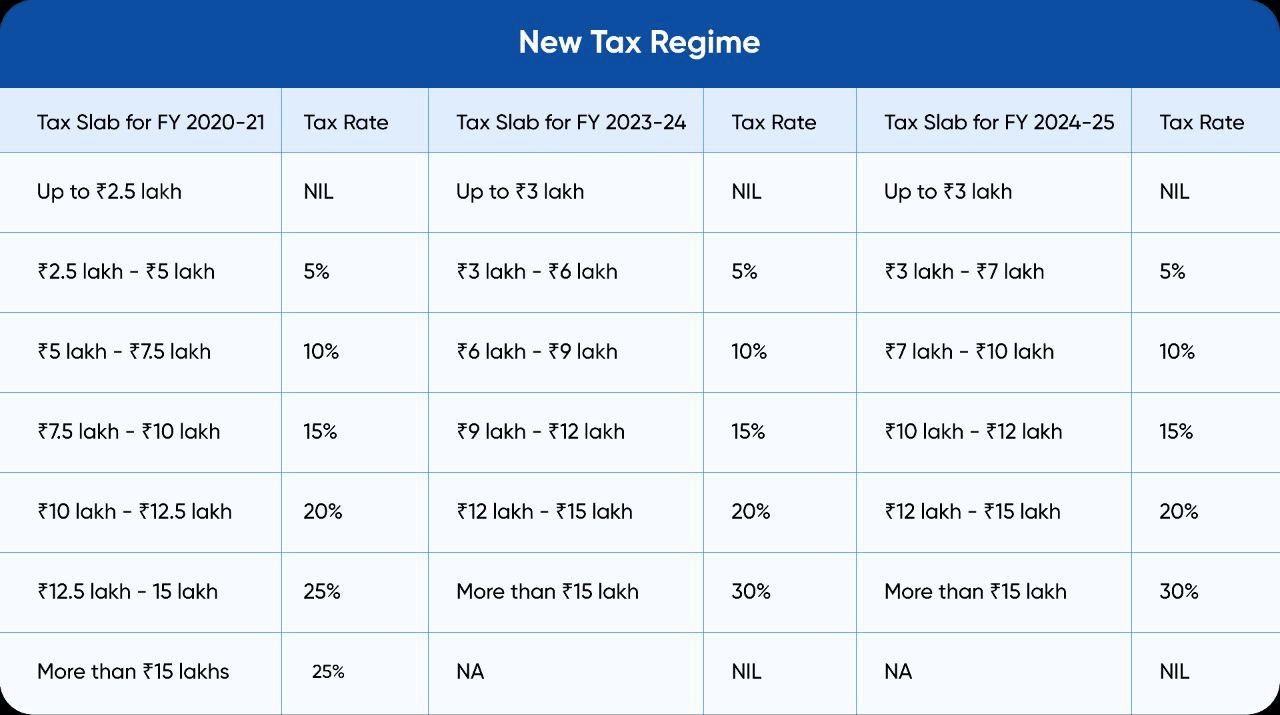
- Individuals earning between ₹7 lakh to ₹12 lakh annually now benefit from substantial tax reductions.
- The exemption limit for higher earners (above ₹12 lakh) has increased from ₹3 lakh to ₹4 lakh.
Fiscal Impact of Tax Cuts
- The revenue loss from these tax cuts is estimated at ₹1 lakh crore, approximately 8% of total direct tax collection for the fiscal year.
The Dual Edged Sword: Boosting the Middle Class vs. Fiscal Strain
- Relief for Taxpayers
- The middle class gains immediate financial relief, leading to potential increases in savings and consumption.
Managing Fiscal Deficit
- The government faces a challenge in maintaining fiscal discipline, especially under the Fiscal Responsibility and Budget Management (FRBM) Act, which sets a 3% fiscal deficit target.
- Key Documents Published Under the FRBM Act
1. MediumTerm Fiscal Policy (MTFP) Statement
2. Fiscal Policy Strategy (FPS) Statement
3. Macroeconomic Framework (MF) Statement
4. MediumTerm Expenditure Framework (MTEF) Statement
5. Compliance & Deviation Reports
Estimating Future Tax Revenue Growth
Despite short term losses, the budget projects a 14% rise in direct tax collections, dependent on:
- Tax Buoyancy of 24%
- Tax buoyancy measures how tax revenue grows in response to GDP growth.
- Achieving this requires rapid income growth or a significant expansion in the tax base.
- Income Growth & Upward Mobility
- The goal is to increase the number of taxpayers entering higher brackets, driven by economic expansion.
The Optimistic Scenario: Tax Cuts as a Growth Catalyst
- Expanding the Tax Base
- Lower taxes could encourage more individuals and businesses to join the formal economy, broadening the tax base.
- Boosting Consumption & Investment
- Increased disposable income may lead to higher spending, driving business growth and job creation.
Challenges & Risks: Income Inequality & Fiscal Deficit Concerns
- Deepening K-Shaped Recovery
- Without structural reforms, tax cuts could disproportionately benefit the wealthy, widening the income gap.
- Fiscal Deficit Risks
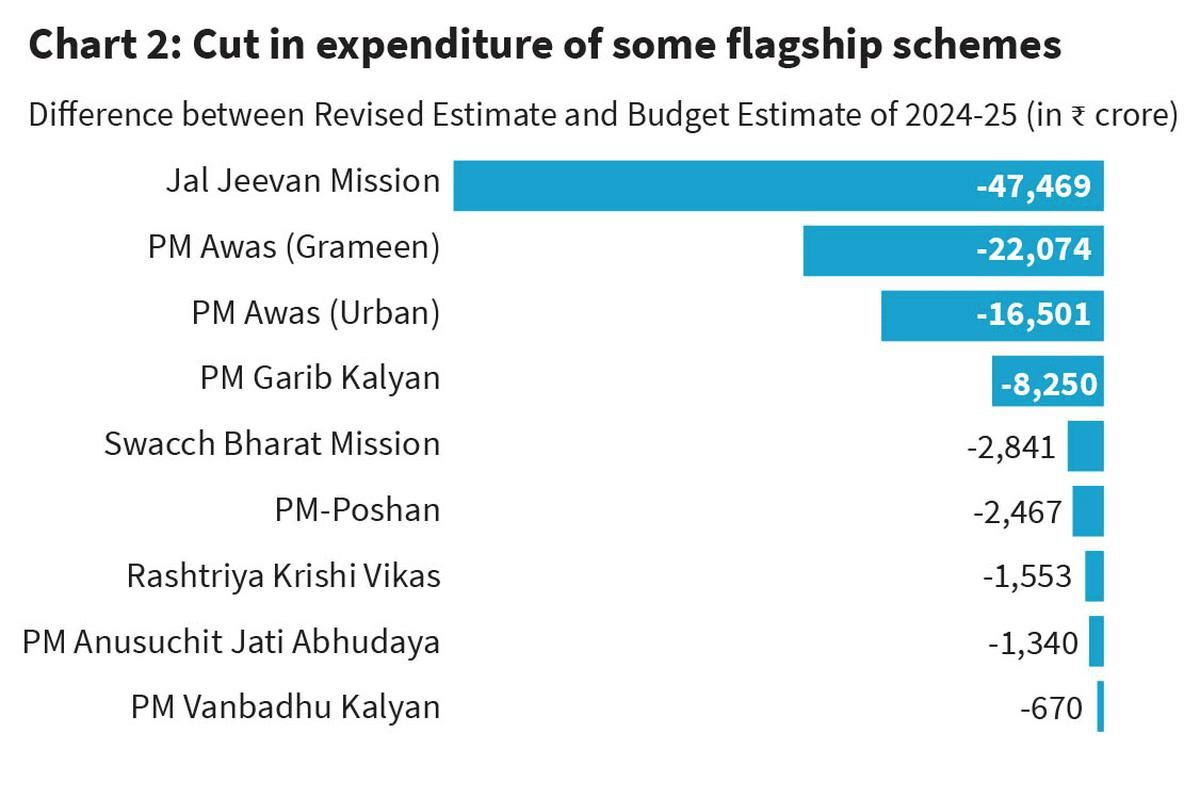
- If revenue projections fall short, the government may be forced to cut spending on social welfare programs.
The Pessimistic Scenario: Fiscal Constraints & Economic Slowdown
- Tightening the Belt
- The fiscal deficit target for 2025 is 4.4%, down from 5% in 2024.
- Strict fiscal discipline may lead to cuts in critical public spending, impacting welfare programs.
- Economic Contraction Risks
- Reducing government spending while private sector investment remains weak could slow down economic growth.
Balancing Fiscal Discipline & Economic Stimulus
- Fiscal Hawks vs. Growth Advocates
- While reducing the deficit is necessary for longterm stability, an overly restrictive approach could hamper growth.
- Strategic public spending in infrastructure, healthcare, and education remains crucial.
- Stimulating Demand
- The success of tax cuts hinges on whether they boost consumer spending, creating a ripple effect across the economy.
Will Tax Cuts Drive a Consumption Boom?
- The middle class might prioritize savings over spending, limiting the intended economic boost.
- Businesses may delay investment due to uncertainty about sustained demand growth.
A HighRisk Gamble: The Road Ahead
Potential Benefits
- The tax cuts represent a bold attempt to stimulate economic growth through fiscal relief.
- If successful, they could lead to higher investment, job creation, and increased tax revenue over time.
Potential Downside
- If economic activity does not expand as projected, the government may need to cut social spending, potentially harming long term growth prospects.
Conclusion
The Union Budget 202526 embarks on a highstakes experiment to stimulate growth through tax relief. The success or failure of this policy depends on whether tax cuts can generate enough economic momentum to offset revenue losses. Policymakers must balance fiscal discipline with strategic public investment, ensuring that this gamble pays off in the long run.
Download the PREPP App and attempt FREE IAS Exam Mock Tests and get complete study material!

Live Test : UPSC CSE Prelims CSAT (Paper-II) (Oct 08 - 11)
Full Test - 04: UPSC CSE Prelims CSAT (Paper-II)
Full Test - 03: UPSC CSE Prelims CSAT (Paper-II)
UPSC CSE Prelims 2026 GS Paper 1 Question Paper (24-May-2026)
UPSC CSE Prelims 2026 CSAT Paper 2 Question Paper (24-May-2026)

17 February 2025 | The Hindu Must Read Articles | Current Affairs

16 February 2026 | The Hindu Must Read Articles | Current Affairs

13 February 2026 | The Hindu Must Read Articles | Current Affairs









Comments