TB Crisis and Women in India: An Urgent Public Health Challenge
Why in the News?
As India prepares to observe World Tuberculosis Day on March 24, the nation continues to battle a severe TB epidemic, especially among women and marginalized communities. Despite years of public health interventions, the road to TB elimination in India by 2025 remains steep.
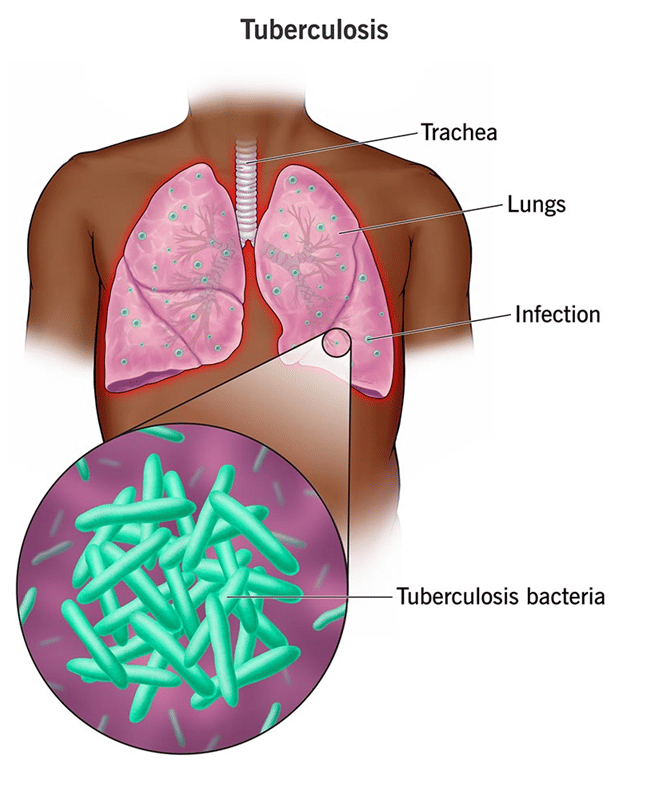
What is Tuberculosis (TB)?
Tuberculosis (TB) is a contagious infection caused by the Mycobacterium tuberculosis bacteria. It primarily affects the lungs but can also spread to other organs such as the spine, brain, liver, kidneys, and lymph nodes.
Types of TB
- Pulmonary TB: The most common type, affecting the lungs.
- Extrapulmonary TB: Impacts other organs such as bones, lymph nodes, or the brain.
- Miliary TB: A rare, life-threatening form that spreads throughout the body.
Active vs. Latent TB
- Latent TB: Infected individuals do not show symptoms and are not contagious.
- Active TB: Bacteria multiply, causing illness and potential transmission.
TB Symptoms
- Persistent cough (over 2 weeks)
- Chest pain and coughing blood
- Weight loss and fatigue
- Night sweats, chills, and fever
- Loss of appetite
Transmission and Risk Factors
- TB spreads via airborne droplets when an infected person coughs or sneezes. Risk is higher in crowded places, among immunocompromised individuals, and in high-burden regions like India.
Diagnosis and Treatment
- Diagnosis involves:
- TB skin or blood tests
- Chest X-rays and CT scans
- Sputum analysis
- Treatment includes a 6–9 month antibiotic course, using drugs like isoniazid, rifampin, ethambutol, and pyrazinamide. Completing the full course is critical to avoid drug-resistant TB.
Tuberculosis in India: A Grim Reality
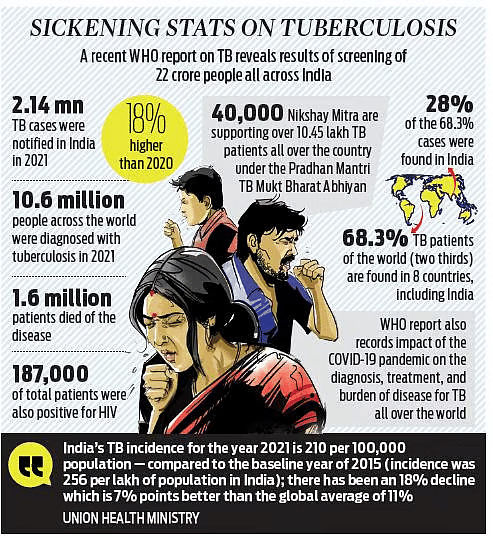
- India contributes over 27% of the global TB cases (Global TB Report 2023).
- TB is a leading cause of death from infectious diseases in India.
- Drug-resistant TB (MDR and XDR) is rising and harder to treat.
- Rural areas show higher TB prevalence due to poor healthcare access and malnutrition.
- Social determinants—like poverty, overcrowding, and undernutrition—fuel the epidemic.
TB Among Women in India: An Overlooked Crisis
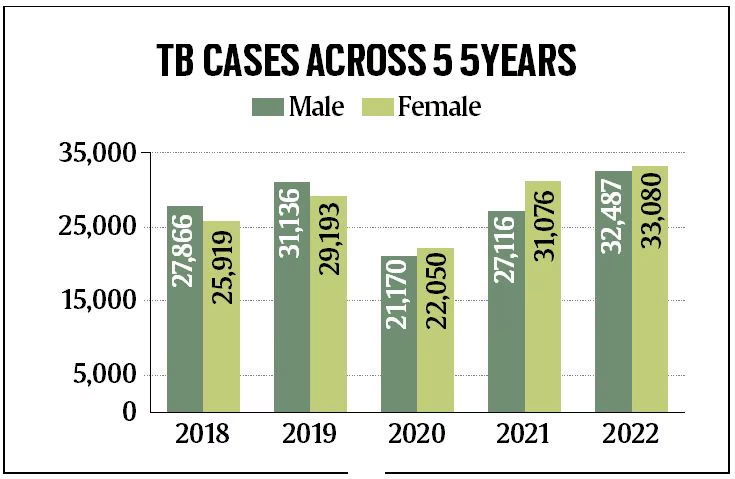
Underdiagnosis and Undercounting
Women face barriers to timely TB diagnosis due to:
- Gender norms and healthcare inequality
- Lack of autonomy in seeking treatment
- Social stigma and fear of ostracization
Vulnerable Age Group
Women aged 15 to 44 are especially at risk. TB is among the top five causes of death for young women in India.
TB and Maternal Health
TB during pregnancy increases the risk of:
- Miscarriage
- Low birth weight
- Maternal mortality
Yet, TB screening is rarely integrated into antenatal care programs.
Why Are Indian Women More Vulnerable to TB?
Key Causes
- Gender inequality in healthcare access
- Cultural stigma surrounding TB
- Financial dependence and mobility constraints
- Lack of awareness about symptoms and treatment
Major Impacts
- Physical and mental health deterioration
- Loss of livelihood for women in informal jobs
- Marital breakdown due to TB diagnosis
- Adverse impact on children and families
Key Challenges in TB Elimination Among Women
- Delayed diagnosis due to absence of gender-sensitive protocols
- Treatment dropout caused by long regimens and lack of support
- Lack of gender-disaggregated data to inform policy
- Co-morbid conditions like malnutrition, anemia, and HIV
- Cultural taboos and societal rejection
- Limited outreach in remote tribal and rural areas
Government Efforts to Combat TB in Women
National TB Elimination Programme (NTEP)
- Aims to eliminate TB in India by 2025
- Part of the National Health Mission
- Nikshay Ecosystem tracks TB cases and treatment adherence digitally
- Nikshay Poshan Yojana offers ₹500 monthly nutrition support to patients
- Free diagnostics and medicines via government clinics
- Engages private sector to improve detection and compliance
Other Initiatives
- TB Mukt Bharat Campaign to raise awareness and reduce stigma
- Community support programs run by NGOs and civil society
- Increased budget allocation in Union Budget 2024–25
- Integration with Ayushman Bharat, POSHAN Abhiyan, and maternal health schemes
- Mass media drives like ‘TB Harega, Desh Jeetega’
The Way Forward: Gender-Responsive TB Control
To address the gender gap in TB care, India must adopt the following strategies:
1. Gender-Sensitive Infrastructure
- Establish women-only TB clinics
- Ensure availability of female healthcare workers
2. Targeted Screening
- Integrate TB testing in maternal and reproductive health programs
3. Empower Community Health Workers
- Train ASHAs and women leaders for outreach and follow-up
4. Treatment Incentives
- Offer financial support, childcare, and transport aid to encourage treatment completion
5. Destigmatization Campaigns
- Use local languages, folk media, and influencers to raise awareness
6. Leverage Technology
- Promote mobile health apps and AI tools for discreet symptom checking and consultations
7. Gender-Disaggregated Data
- Invest in research and sex-disaggregated reporting to inform policies
8. Public-Private Collaboration
- Partner with women-led NGOs and SHGs for inclusive TB control programs
Conclusion
The battle against tuberculosis in India cannot be won without gender equity. Women, especially from poor and rural backgrounds, face disproportionate health, social, and economic impacts from TB. A women-centric TB strategy, backed by community involvement, digital innovation, and policy commitment, is essential to achieve a TB Mukt Bharat by 2025.
Download the PREPP App and attempt FREE IAS Exam Mock Tests and get complete study material!

Live Test : UPSC CSE Prelims CSAT (Paper-II) (Oct 08 - 11)
Full Test - 04: UPSC CSE Prelims CSAT (Paper-II)
Full Test - 03: UPSC CSE Prelims CSAT (Paper-II)
UPSC CSE Prelims 2026 GS Paper 1 Question Paper (24-May-2026)
UPSC CSE Prelims 2026 CSAT Paper 2 Question Paper (24-May-2026)

17 February 2025 | The Hindu Must Read Articles | Current Affairs

16 February 2026 | The Hindu Must Read Articles | Current Affairs

13 February 2026 | The Hindu Must Read Articles | Current Affairs









Comments