Sabarimala Temple: A Spiritual Hub of Devotion and Tradition
Why in the News?
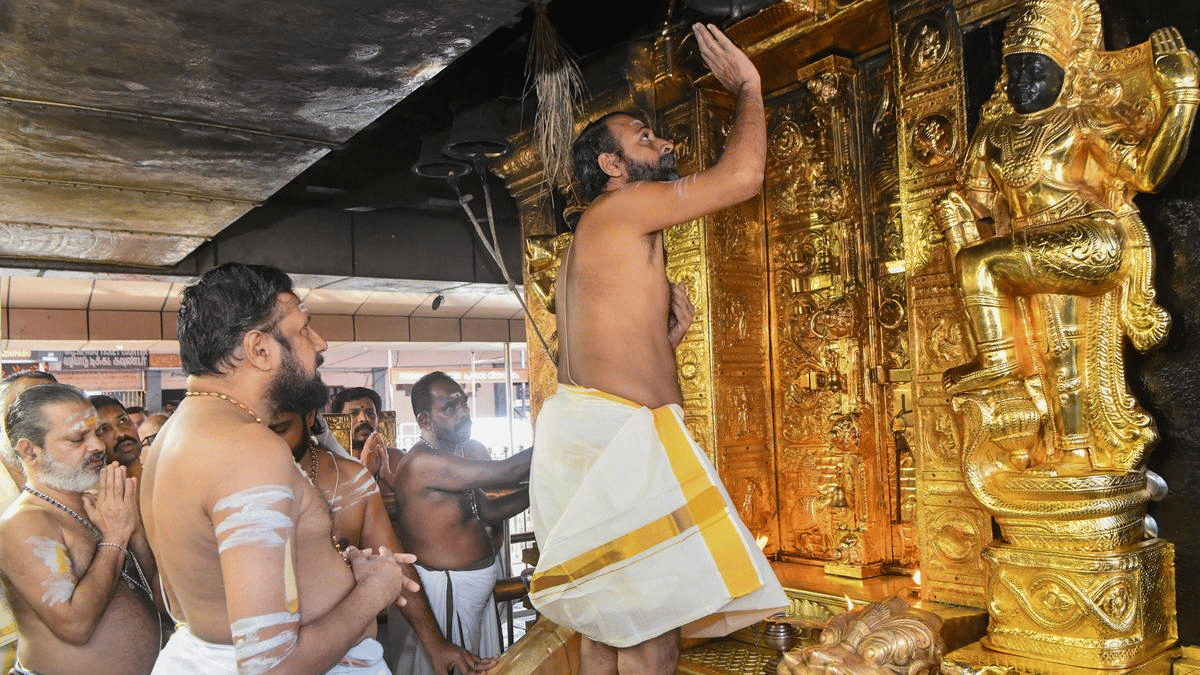
The Sabarimala Sree Dharma Sastha Temple, one of the most revered pilgrimage destinations in the world, recently reopened for the Makaravilakku festival. This annual event attracts millions of devotees and highlights the temple's rich cultural and spiritual heritage.
What is the Makaravilakku Festival?
The Makaravilakku festival holds significant importance for devotees of Lord Ayyappan. Celebrated on Makara Sankranti, it includes sacred rituals and traditions that showcase the temple's deep-rooted cultural practices.
- Significance: This festival is observed with devotion, marking a pivotal occasion at Sabarimala.
- Sacred Rituals: Key events include the Thiruvabharanam procession (carrying sacred ornaments) and the lighting of the ceremonial lamp, or "vilakku," a tradition linked to the Malayaraya tribe.
- Pilgrimage Numbers: Each year, nearly half a million devotees participate in the festival, adding to its grandeur and spiritual fervor.
About Sabarimala Temple
The Sabarimala Temple is dedicated to Lord Ayyappan, the divine son of Lord Shiva and Mohini (a form of Lord Vishnu). Located on Sabarimala Hill in Kerala's Pathanamthitta district, the temple is surrounded by the serene Periyar Tiger Reserve.
- Annual Pilgrimage: Hosting 10–15 million devotees annually, it is one of the largest pilgrimage centers worldwide.
- Opening Schedule: The temple opens during key festivals and auspicious occasions, including:
- Mandala Pooja (mid-November to late December)
- Makaravilakku (January 14)
- Maha Thirumal Sankranti (April 14)
- The first five days of each Malayalam month
- Celibacy Tradition: The temple emphasizes strict celibacy, historically restricting entry to women aged 10–50 due to the deity's celibate nature.
- Management: The Travancore Devaswom Board (TDB), under the Kerala government, oversees the temple's administration.
Sabarimala Temple Case: Balancing Tradition and Equality
The Sabarimala Temple has been at the center of legal and societal debates concerning the entry of women.
- Historical Restrictions: Women of menstruating age were traditionally barred from entry, aligning with the celibate nature of Lord Ayyappan.
- Kerala High Court Ruling (1991): Upheld the age-old ban, emphasizing the temple's unique traditions.
- Supreme Court Verdict (2018): Overturned the restrictions, allowing women of all ages to enter, citing gender equality and rejecting patriarchal norms.
- Protests and Backlash: The 2018 ruling sparked widespread protests, with many devotees, including women, opposing the decision.
- Subsequent Developments: Following petitions for review, the case was referred to a larger bench for reconsideration, leaving the issue in legal limbo.
Download the PREPP App and attempt FREE IAS Exam Mock Tests and get complete study material!

Live Test : UPSC CSE Prelims CSAT (Paper-II) (Oct 08 - 11)
Full Test - 04: UPSC CSE Prelims CSAT (Paper-II)
Full Test - 03: UPSC CSE Prelims CSAT (Paper-II)
UPSC CSE Prelims 2026 GS Paper 1 Question Paper (24-May-2026)
UPSC CSE Prelims 2026 CSAT Paper 2 Question Paper (24-May-2026)

17 February 2025 | The Hindu Must Read Articles | Current Affairs

16 February 2026 | The Hindu Must Read Articles | Current Affairs

13 February 2026 | The Hindu Must Read Articles | Current Affairs









Comments