Recent Confrontation Between India and China: Key Highlights
Why in news?
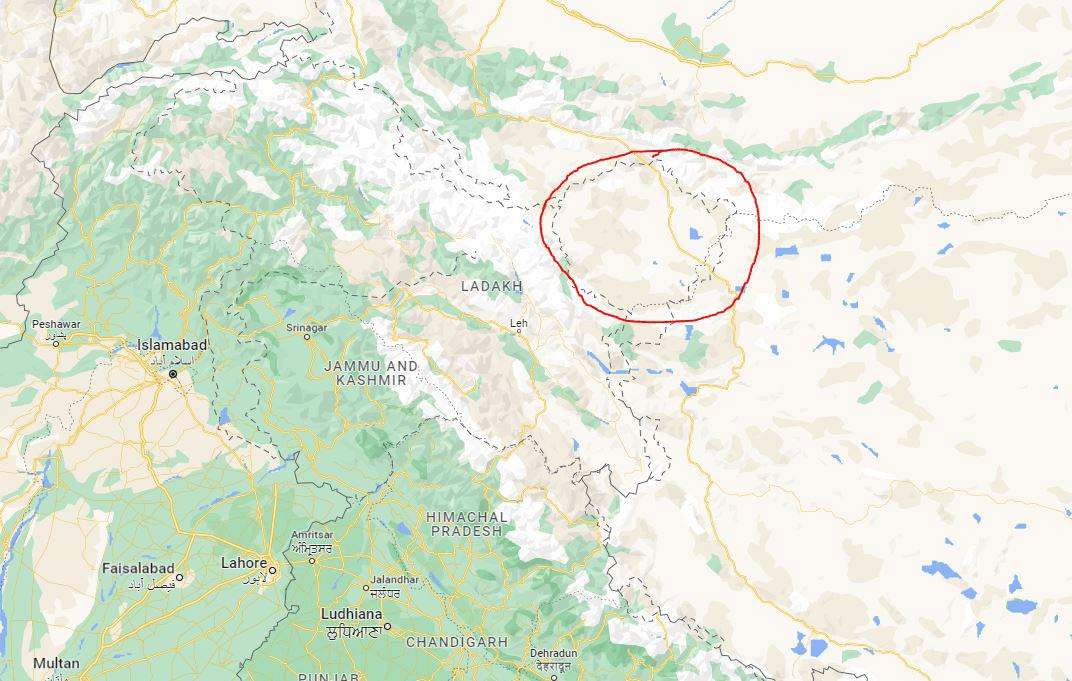
- India's Protest Over New Counties: India lodged a “solemn protest” with China over the formation of two new counties, He’an and Hekang, in the Hotan Prefecture, which includes disputed territory in Ladakh, India claims.
![confrontation between india and china]()
- Sovereignty Over Aksai Chin: India reaffirmed that it does not accept China’s illegal occupation of Aksai Chin, emphasizing that the creation of these counties does not alter its sovereignty over the region.
- Concerns Over Brahmaputra Dam: India expressed concerns about China's approval of a $137 billion hydropower project on the Yarlung Tsangpo (Brahmaputra), urging that it should not harm downstream countries like India and Bangladesh.
- Transparency in Water Management: India criticized China for not informing India about the Brahmaputra project through official channels, calling for greater transparency and consultation with affected countries.
- World’s Largest Dam: The $137 billion dam project, designed to surpass China’s Three Gorges Dam, raises concerns regarding its environmental impact on India, especially in states like Assam and Arunachal Pradesh.
Historical Context of India-China Relations
- Ancient Relations: India and China share centuries-old cultural and economic ties, including the Silk Road trade and the spread of Buddhism.
- Colonial Era: China was involved in the opium trade with the British East India Company during the 19th century.
- World War II Cooperation: Both nations cooperated to curb Japan’s Axis powers during WWII, contributing to their historical partnership.
- Post-Independence Recognition: India was among the first to recognize the People's Republic of China in 1950.
Major Conflicts in India-China Relations
- 1962 Sino-Indian War: The first major military conflict, resulting in a Chinese victory and unresolved border disputes.
- Nathu La and Cho La Clashes (1967): Border clashes in Sikkim, marking India's enhanced military readiness since 1962.
- Sumdorong Chu Standoff (1987): A tense confrontation in Arunachal Pradesh, resolved diplomatically.
- Doklam Standoff (2018): Indian and Chinese troops faced off for two months over the disputed Bhutan-China border.
- Galwan Valley Clash (2020): A violent confrontation in the Galwan Valley that resulted in casualties on both sides and escalated tensions.
Evolution of India’s Policy Towards China
- Early Friendship: Post-independence, India pursued a policy of “Hindi-Chini Bhai-Bhai” (Indians and Chinese are brothers).
- Post-1962 Approach: India shifted to a cautious stance, enhancing military capabilities and border infrastructure.
- Economic Pragmatism: India pursued economic engagement with China since the 1990s while maintaining strategic autonomy.
- Modern Strategy: India increasingly seeks strategic partnerships with the US, Japan, and Australia as a counterbalance to China's regional dominance.
Present Challenges in India-China Relations
- Border Disputes: Ongoing territorial disputes, particularly in Ladakh and Arunachal Pradesh, remain a source of tension.
- Economic Imbalance: India faces a trade deficit with China, raising concerns about over-dependence on Chinese imports.
- Regional Influence: Both nations vie for dominance in South Asia and the Indian Ocean, fueling strategic competition.
- Trust Deficit: Repeated border incursions and China’s close ties with Pakistan heighten mistrust between the two.
- Technological Competition: India has imposed restrictions on Chinese technology and apps, citing security concerns.
Implications of the Brahmaputra Dam on Bilateral Relations
- Strained Bilateral Relations: India’s concerns over the Brahmaputra dam’s environmental impact could worsen tensions with China.
- Impact on Downstream Nations: India and Bangladesh may face disruptions in water flow or environmental damage, particularly in Assam and Arunachal Pradesh.
- Diplomatic Strain: The lack of transparency regarding the dam project could trigger further diplomatic protests from India.
- Regional Instability: The dam’s construction may exacerbate geopolitical tensions, particularly in South Asia.
Steps Taken by India to Address the Confrontation
- Diplomatic Engagement: India engages in ongoing diplomatic talks through the Working Mechanism for Consultation & Coordination on India-China Border Affairs (WMCC).
- Military Discussions: Regular Corps Commander-level meetings ensure disengagement and de-escalation along the LAC.
- Economic Measures: India promotes domestic manufacturing and reduces reliance on Chinese imports through initiatives like “Make in India.”
- Infrastructure Development: India focuses on strengthening border infrastructure to improve connectivity and military preparedness.
- Multilateral Cooperation: India engages in forums like BRICS and SCO to address bilateral concerns while participating in the Quad to counterbalance China.
Strategic Considerations in India-China Relations
- US-China Competition: India’s relations with China are increasingly influenced by the broader US-China competition in the Indo-Pacific.
- Multipolar vs. Unipolar Asia: India seeks a multipolar Asian order, while China aims for a unipolar order centered around itself.
- Pakistan Factor: China’s close ties with Pakistan remain a significant concern for India, affecting its diplomatic strategy.
- Maritime Security: India is concerned about China’s expanding naval presence in the Indian Ocean, prompting stronger maritime security measures.
Economic Dimensions of India-China Relations
- Trade Imbalance: India faces a significant trade deficit with China, presenting challenges to India’s economic independence.
- Investment Concerns: India is cautious of Chinese investments in sensitive sectors, imposing stricter regulations.
- Supply Chain Diversification: India actively reduces dependence on Chinese imports by promoting local manufacturing and diversifying its supply chains.
- Regional Economic Initiatives: India is working with countries like Japan and Australia to counterbalance China's economic influence through initiatives like the Supply Chain Resilience Initiative.
Way Forward for India-China Relations
- Balanced Engagement: India must balance economic cooperation with strategic deterrence in its dealings with China.
- Border Disputes Resolution: Prioritize peaceful resolution of border disputes to prevent conflicts and build mutual trust.
- Economic Rebalancing: Address the trade imbalance with China and leverage Chinese investments in non-sensitive sectors.
- Regional Cooperation: Collaborate on issues like climate change, counter-terrorism, and regional security to strengthen ties.
- People-to-People Exchanges: Promote cultural and academic exchanges to foster mutual understanding between India and China.
- Multilateral Platforms: Utilize forums like BRICS and the UN to discuss and resolve bilateral issues, contributing to a stable and peaceful relationship.
Summary:
- India-China Border Tensions: India protests China's new counties in Ladakh and the Brahmaputra Dam project.
- Historical Context: A look at the history of India-China relations, including the Sino-Indian War, Doklam standoff, and Galwan Valley clash.
- Economic and Strategic Rivalry: India faces trade imbalance with China while exploring new regional economic initiatives to reduce dependence.
- Brahmaputra Dam’s Impact: China’s dam project raises concerns about water flow disruptions in Assam and Arunachal Pradesh.
- Diplomatic and Military Responses: India engages in dialogue and strengthens its defense and economic measures to counter Chinese aggression.
Download the PREPP App and attempt FREE IAS Exam Mock Tests and get complete study material!
*The article might have information for the previous academic years, please refer the official website of the exam.
How likely are you to recommend Prepp.in to a friend or a colleague?
Not so likely
Highly likely
UPSC CSE (IAS) 2027 Prelims Mock Test Series
Live Quizzes
Quizzes
Live Tests

• Live
Live Test : UPSC CSE Prelims CSAT (Paper-II) (Oct 08 - 11)
120 Minutes
80 Questions
200 Marks
English, Hindi
MEDIUM
Test will end in 18:31:20
Full Tests
Full Test - 04: UPSC CSE Prelims CSAT (Paper-II)
120 Minutes
80 Questions
200 Marks
English, Hindi
MEDIUM
Attempted by 18 aspirants in 12 hours
Full Test - 03: UPSC CSE Prelims CSAT (Paper-II)
120 Minutes
80 Questions
200 Marks
English, Hindi
MEDIUM
Attempted by 19 aspirants in 12 hours
Previous Year Papers
UPSC CSE Prelims 2026 GS Paper 1 Question Paper (24-May-2026)
120 Minutes
100 Questions
200 Marks
2,977 Attempted
English, Hindi
MEDIUM
Attempted by 12 aspirants in 12 hours
UPSC CSE Prelims 2026 CSAT Paper 2 Question Paper (24-May-2026)
120 Minutes
80 Questions
200 Marks
3,154 Attempted
English, Hindi
MEDIUM
Attempted by 12 aspirants in 12 hours
Videos

17 February 2025 | The Hindu Must Read Articles | Current Affairs
7,202 Views
•4
•7 months ago

16 February 2026 | The Hindu Must Read Articles | Current Affairs
6,962 Views
•4
•7 months ago

13 February 2026 | The Hindu Must Read Articles | Current Affairs
8,765 Views
•5
•7 months ago

12 February 2026 | The Hindu Must Read Articles | Current Affairs
5,788 Views
•4
•7 months ago






Also Check
IAS Exam Overview
IAS Exam Admit Card
IAS Exam Question Paper 2026
IAS Exam Mains Syllabus
IAS Exam Application Process
IAS Exam Eligibility
IAS Exam Result
IAS Exam Exam Pattern
IAS Exam CSAT Syllabus
IAS Exam Answer Key
IAS Exam Previous Year Paper
IAS Exam Current Affairs
IAS Exam Mains Question Paper
IAS Exam IAS Courses
IAS Exam UPSC Study Notes
IAS Exam Foundation Course 2024
IAS Exam Prelims Question Paper
IAS Exam Exam Center
IAS Exam Foundation Course 2025
IAS Exam Notification 2026
IAS Exam IAS Success Stories
IAS Exam Salary
IAS Exam Cutoff
IAS Exam Mock Tests
IAS Exam News


Comments