Overlapping Genes: Unlocking Genetic Mysteries Through Ultra-Conserved Elements
Why in the News?
Scientists have identified nearly 500 Ultra-Conserved Elements (UCEs) in human and mouse genomes that have remained unchanged for over 80 million years. This discovery provides key insights into genetic stability, evolution, and the role of overlapping genes in biological processes.
What Are Ultra-Conserved Elements (UCEs)?
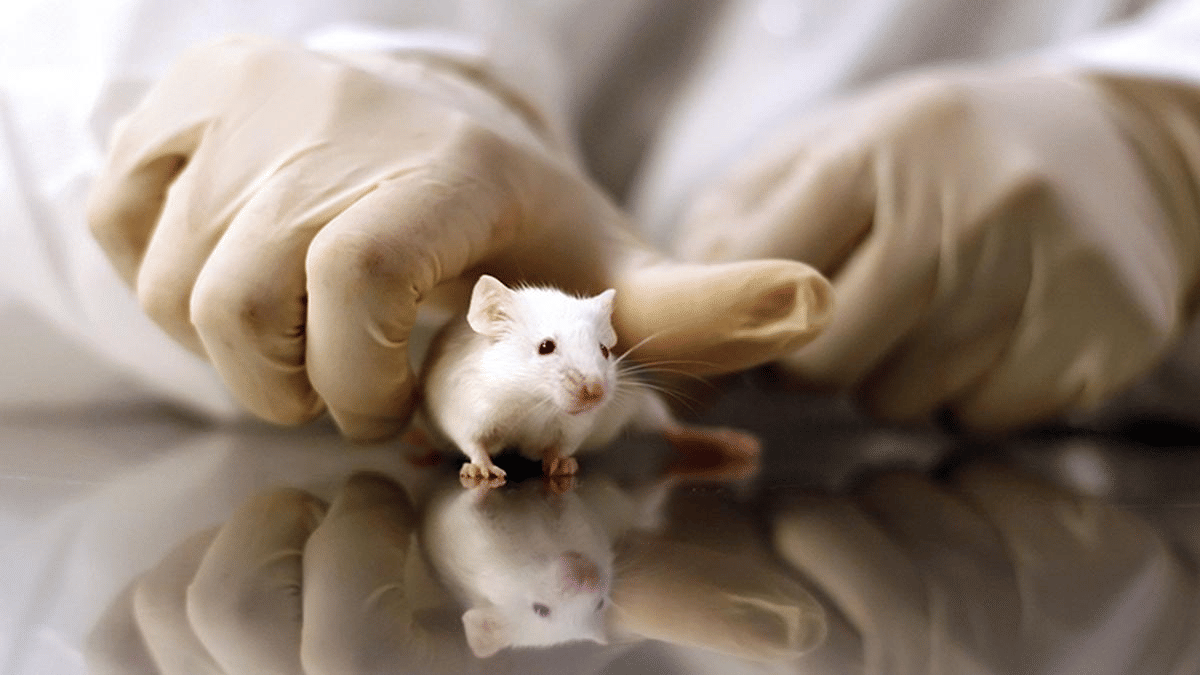
Ultra-Conserved Elements (UCEs) are DNA segments that remain unchanged across multiple species, highlighting their critical biological functions. These elements are essential in regulating protein levels and genetic stability.
Study Highlights:
- Regulating Protein Synthesis: UCEs help control protein production by introducing a "poison exon," a mechanism that prevents excessive protein synthesis.
- Link to Infertility: The absence of this regulatory mechanism in mice leads to protein overproduction, causing cell death and infertility.
- Unlocking Genetic Mysteries: These findings bring scientists closer to understanding why certain genes remain unchanged over millions of years, particularly overlapping genes.
What Are Overlapping Genes?
Overlapping genes are unique DNA sequences that share coding regions with other genes, allowing them to encode multiple proteins within the same genomic space. This efficient use of genetic material offers evolutionary advantages and is highly conserved among species.
Key Functions of Overlapping Genes:
- Maximizing Genetic Information: They enable organisms to store and utilize more genetic instructions within limited genome space.
- Regulating Gene Expression: Overlapping genes help modulate when and how proteins are produced.
- Enhancing Disease Resistance: They play a role in strengthening immune responses and reducing susceptibility to genetic disorders.
Significance of Overlapping Genes in Humans and Mice
Mice and humans share approximately 85% of their genes and about 97.5% of their working DNA, making mice effective model organisms for human genetic research.
Why Are Overlapping Genes Important?
- Genetic Research: Helps scientists compare gene functions across species and understand genetic conservation.
- Disease Modeling: Since mice share a high percentage of genes with humans, they are valuable for studying conditions like cancer, Alzheimer’s, and genetic disorders.
- Drug Development: Testing new medications on mice with overlapping genes ensures safety before human clinical trials.
- Evolutionary Insights: The stability of overlapping genes offers valuable knowledge about evolutionary processes.
- Biomedical Applications: Understanding these genes could lead to genetic therapies for inherited diseases.
Key Concepts
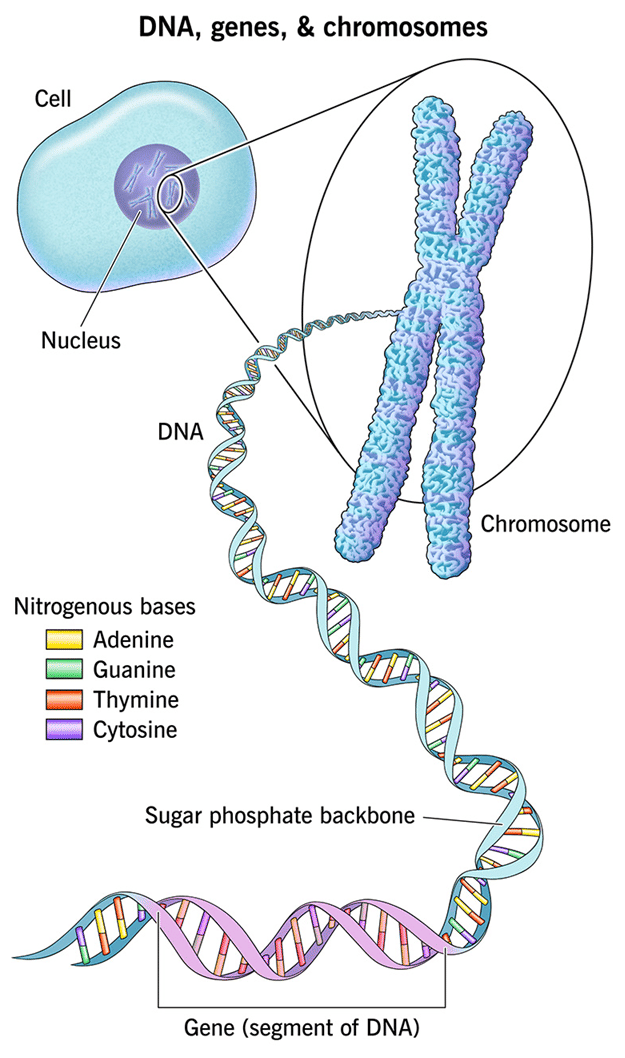
- DNA: The double-helix molecule containing genetic instructions for the development and function of living organisms.
- Gene: A segment of DNA that encodes proteins or RNA molecules essential for biological processes.
- Gene Expression: The process by which information from a gene is used to synthesize a functional gene product, typically a protein.
- Splicing: A process that removes introns from pre-mRNA and joins exons together, allowing for alternative gene expression.
Challenges in Studying Overlapping Genes
Despite their importance, overlapping genes pose several challenges:
- Differences in Gene Expression: While mice and humans have similar genes, their expression patterns vary, complicating direct comparisons.
- Unpredictable Effects of Gene Editing: Modifying overlapping genes may unintentionally disrupt multiple biological pathways.
- Complex Interactions: Overlapping genes often regulate or interact with other genes, making their roles difficult to isolate.
- Ethical Concerns: Genetic manipulation in research raises ethical questions regarding its potential long-term impacts.
- Limited Knowledge of Non-Coding DNA: Many functions of UCEs and overlapping genes remain unknown, requiring further research.
Future Directions in Overlapping Gene Research
1. Advanced Gene Editing Technologies:
- Refining CRISPR and other genome-editing tools to precisely modify overlapping genes without unintended consequences.
2. Comparative Genomics Studies:
- Expanding research beyond humans and mice to include other species like zebrafish and primates.
3. Personalized Medicine Applications:
- Using overlapping gene knowledge to develop targeted medical treatments based on individual genetic profiles.
4. Ethical Guidelines for Genetic Research:
- Establishing clear frameworks to ensure responsible gene modification and prevent misuse of genetic technologies.
5. Expanding Model Organisms:
- Exploring genetic similarities in additional species to uncover hidden functions of overlapping genes.
Conclusion
The discovery of Ultra-Conserved Elements in humans and mice underscores the significance of overlapping genes in evolution, genetic regulation, and disease research. As science advances, deeper exploration of these genes will pave the way for groundbreaking medical treatments, evolutionary insights, and innovative genetic therapies.
Download the PREPP App and attempt FREE IAS Exam Mock Tests and get complete study material!

Live Test : UPSC CSE Prelims CSAT (Paper-II) (Oct 08 - 11)
Full Test - 04: UPSC CSE Prelims CSAT (Paper-II)
Full Test - 03: UPSC CSE Prelims CSAT (Paper-II)
UPSC CSE Prelims 2026 GS Paper 1 Question Paper (24-May-2026)
UPSC CSE Prelims 2026 CSAT Paper 2 Question Paper (24-May-2026)

17 February 2025 | The Hindu Must Read Articles | Current Affairs

16 February 2026 | The Hindu Must Read Articles | Current Affairs

13 February 2026 | The Hindu Must Read Articles | Current Affairs









Comments