Olive Ridley Sea Turtle: Population Growth and Conservation
Why in the News?
A comprehensive 16-year assessment (2008-2024) conducted by the Dakshin Foundation, IISc Bengaluru, and various State Forest Departments has revealed a steady increase in the Olive Ridley sea turtle population in India.
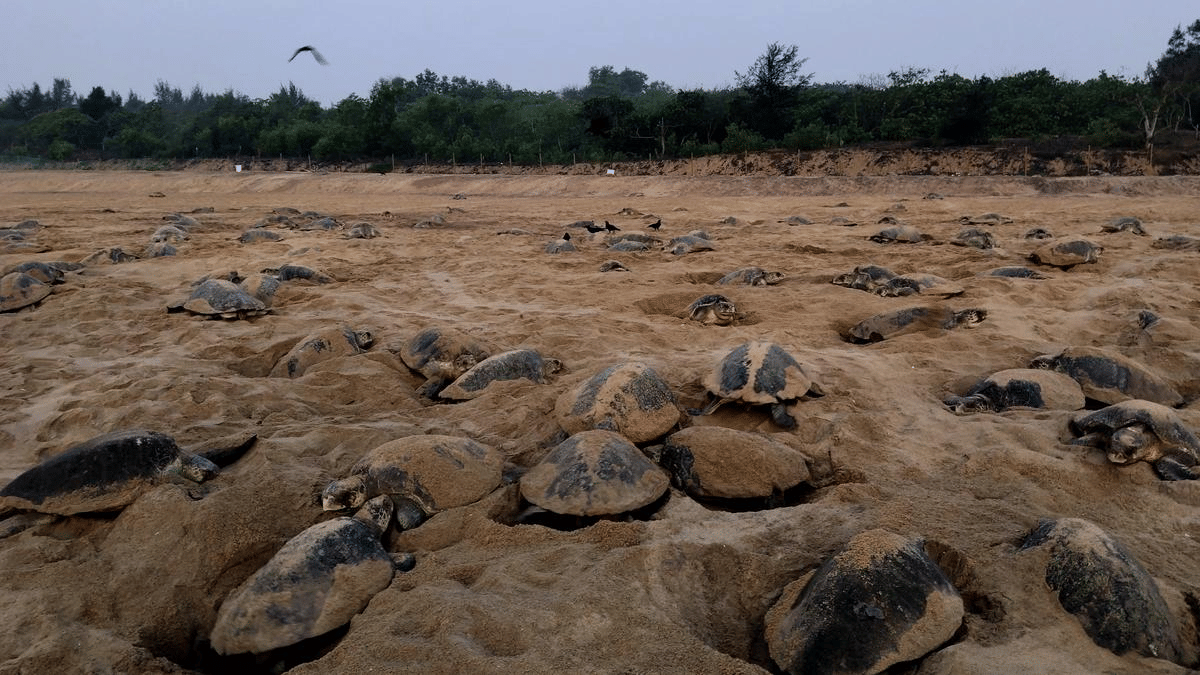
About the Olive Ridley Sea Turtle
Scientific Classification
- Scientific Name: Lepidochelys olivacea
- Common Name: Pacific Ridley Sea Turtle
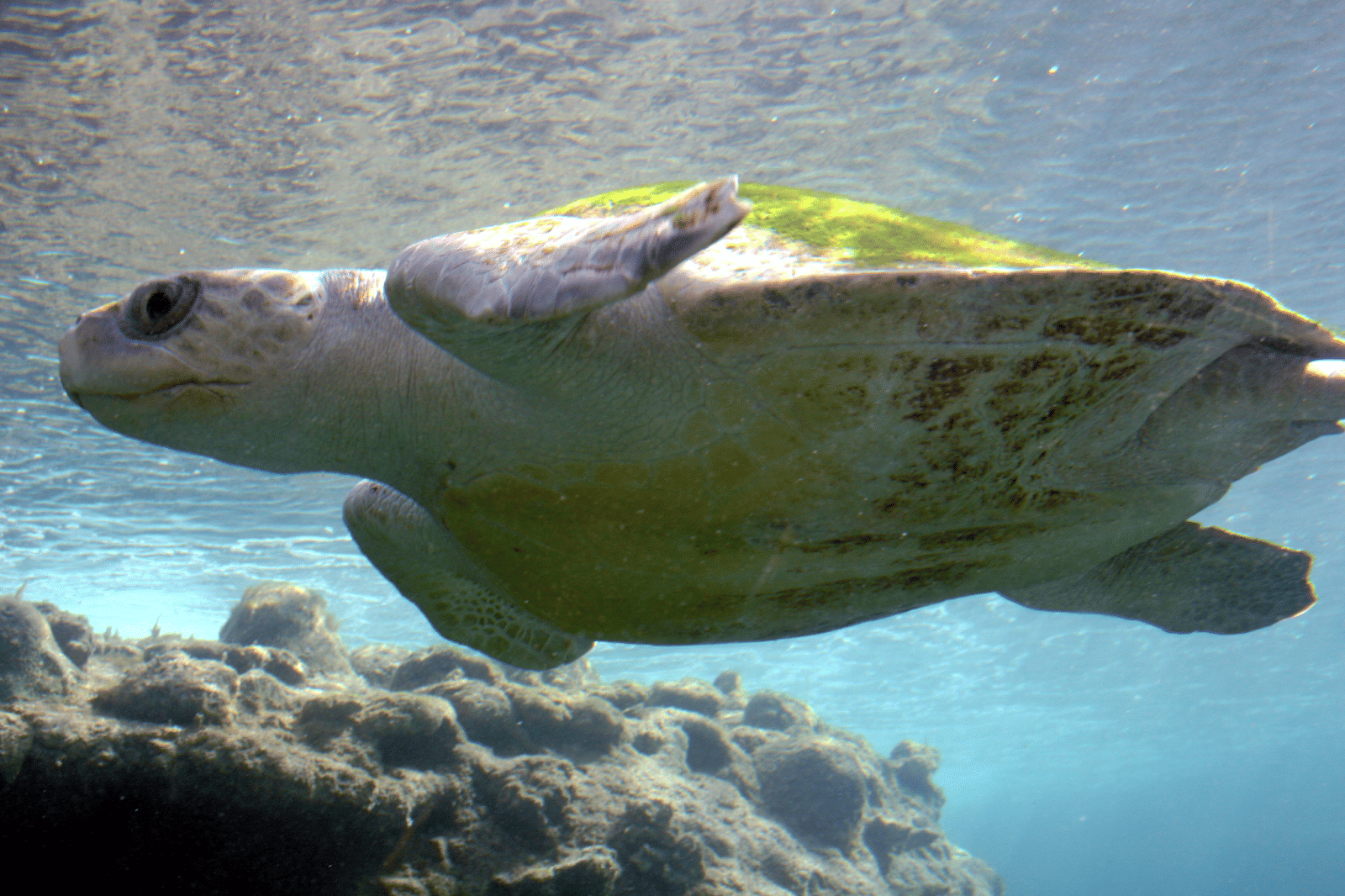
The Olive Ridley sea turtle is one of the smallest yet most abundant sea turtle species worldwide, playing a crucial role in marine ecosystems.
Habitat and Distribution
- Habitat: Coastal areas, estuaries, and open oceans.
- Distribution: Found primarily in warm and tropical waters of the Pacific, Indian, and Atlantic Oceans.
- Nesting Sites: Major nesting grounds are located along the eastern Indian coastline, particularly in Odisha and Andhra Pradesh.
Characteristics and Behavior
- Size: Adults typically weigh 35–50 kg and measure 60–70 cm in length.
- Appearance: Named after their distinctive olive-green shell.
- Diet: Omnivorous, feeding on jellyfish, algae, crustaceans, and small fish.
- Arribada: A unique synchronized mass nesting event where thousands of females lay eggs on the same beach, ensuring species survival.
Threats to the Olive Ridley Sea Turtle
Despite the population growth, several threats continue to endanger Olive Ridley turtles:
- Bycatch: Accidental capture in fishing nets and trawl operations.
- Habitat Loss: Coastal development and human encroachment disrupt nesting sites.
- Pollution: Marine debris, plastic waste, and oil spills pose severe health hazards.
- Poaching: Illegal wildlife trade targets their eggs, meat, and shells.
- Climate Change: Rising temperatures impact sand temperatures, leading to skewed sex ratios (more females than males).
Conservation Efforts and Legal Protection
To safeguard Olive Ridley turtles, various national and international conservation measures are in place:
- IUCN Status: Vulnerable
- Wildlife Protection Act (India): Schedule I (provides highest legal protection)
- CITES Status: Appendix I (strict trade restrictions)
Conclusion
The growing Olive Ridley sea turtle population in India highlights the success of ongoing conservation efforts. However, continued vigilance, public participation, and government intervention are essential to ensure the species' long-term survival. Protecting these marine creatures today secures a balanced ocean ecosystem for future generations.
Download the PREPP App and attempt FREE IAS Exam Mock Tests and get complete study material!

Live Test : UPSC CSE Prelims CSAT (Paper-II) (Oct 08 - 11)
Full Test - 04: UPSC CSE Prelims CSAT (Paper-II)
Full Test - 03: UPSC CSE Prelims CSAT (Paper-II)
UPSC CSE Prelims 2026 GS Paper 1 Question Paper (24-May-2026)
UPSC CSE Prelims 2026 CSAT Paper 2 Question Paper (24-May-2026)

17 February 2025 | The Hindu Must Read Articles | Current Affairs

16 February 2026 | The Hindu Must Read Articles | Current Affairs

13 February 2026 | The Hindu Must Read Articles | Current Affairs









Comments