Joint Comprehensive Plan of Action (JCPOA): Latest Developments and Implications
Why in the News?
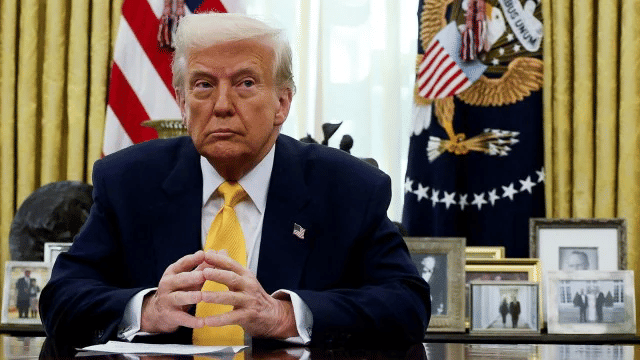
U.S. President Donald Trump recently sent a letter to Iran’s Supreme Leader, Ayatollah Ali Khamenei, urging Iran to resume negotiations on the Joint Comprehensive Plan of Action (JCPOA).
Key Updates on JCPOA Negotiations
- Military Threat: Trump warned that if Iran refuses to engage in dialogue, military action could be a potential consequence.
- Iran’s Response: Ayatollah Khamenei rejected the proposal, arguing that powerful nations often use negotiations as a means to impose their terms rather than seek a genuine resolution.
- Skepticism Over U.S. Intentions: Iran remains doubtful about Trump’s outreach due to his previous decision to withdraw from the deal in 2018.
Understanding the Joint Comprehensive Plan of Action (JCPOA)
The JCPOA, signed in 2015, is a landmark nuclear agreement between Iran and the P5+1 nations (United States, United Kingdom, France, Russia, China, and Germany), along with the European Union (EU). The primary objective of the deal was to curtail Iran’s nuclear program in exchange for relief from economic sanctions.
Key Provisions of the JCPOA
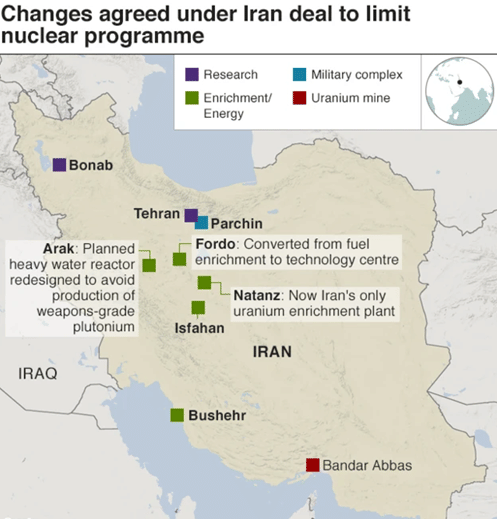
- Uranium Enrichment Restrictions: Iran agreed to limit uranium enrichment to 3.67%, a level suitable for civilian nuclear energy but insufficient for weapon development.
- International Oversight: Iran signed a roadmap agreement with the International Atomic Energy Agency (IAEA) to ensure compliance through regular inspections.
Why Did the U.S. Withdraw from the JCPOA?
In May 2018, Donald Trump unilaterally withdrew the U.S. from the JCPOA, despite Iran’s full compliance. His administration criticized the agreement for multiple reasons:
- “Flawed and One-Sided” Deal: Trump labeled the JCPOA as one of the worst agreements for the U.S.
- Ballistic Missile Program Exclusion: The deal did not address Iran’s ballistic missile program and regional proxy activities, which concerned the U.S., Saudi Arabia, and Israel.
Consequences of the U.S. Withdrawal
- Reimposition of Sanctions: The U.S. reinstated strict sanctions on Iran, targeting its energy, petrochemical, and financial sectors.
- European Resistance: European nations attempted to keep the deal alive, implementing a Blocking Statute to protect their businesses from U.S. sanctions.
- Iran’s Countermeasures: By 2019, Iran began exceeding uranium enrichment limits, reducing its compliance with the JCPOA.
The Future of the JCPOA
With the JCPOA set to expire in October 2025, its relevance is gradually diminishing due to U.S. sanctions and Iran’s non-compliance. However, discussions on reviving or renegotiating the deal continue to shape global diplomatic relations.
Download the PREPP App and attempt FREE IAS Exam Mock Tests and get complete study material!

Live Test : UPSC CSE Prelims CSAT (Paper-II) (Oct 08 - 11)
Full Test - 04: UPSC CSE Prelims CSAT (Paper-II)
Full Test - 03: UPSC CSE Prelims CSAT (Paper-II)
UPSC CSE Prelims 2026 GS Paper 1 Question Paper (24-May-2026)
UPSC CSE Prelims 2026 CSAT Paper 2 Question Paper (24-May-2026)

17 February 2025 | The Hindu Must Read Articles | Current Affairs

16 February 2026 | The Hindu Must Read Articles | Current Affairs

13 February 2026 | The Hindu Must Read Articles | Current Affairs









Comments