Jaishankar's 5-Point Washington Agenda: Key Highlights and Its Impact on Indo-US Relations
Why in the News?
External Affairs Minister S. Jaishankar’s upcoming visit to the U.S. holds strategic importance as it aims to set in motion a 5-point Washington agenda. This agenda is expected to redefine Indo-US relations, ensuring a stronger bilateral partnership in an increasingly multipolar world.
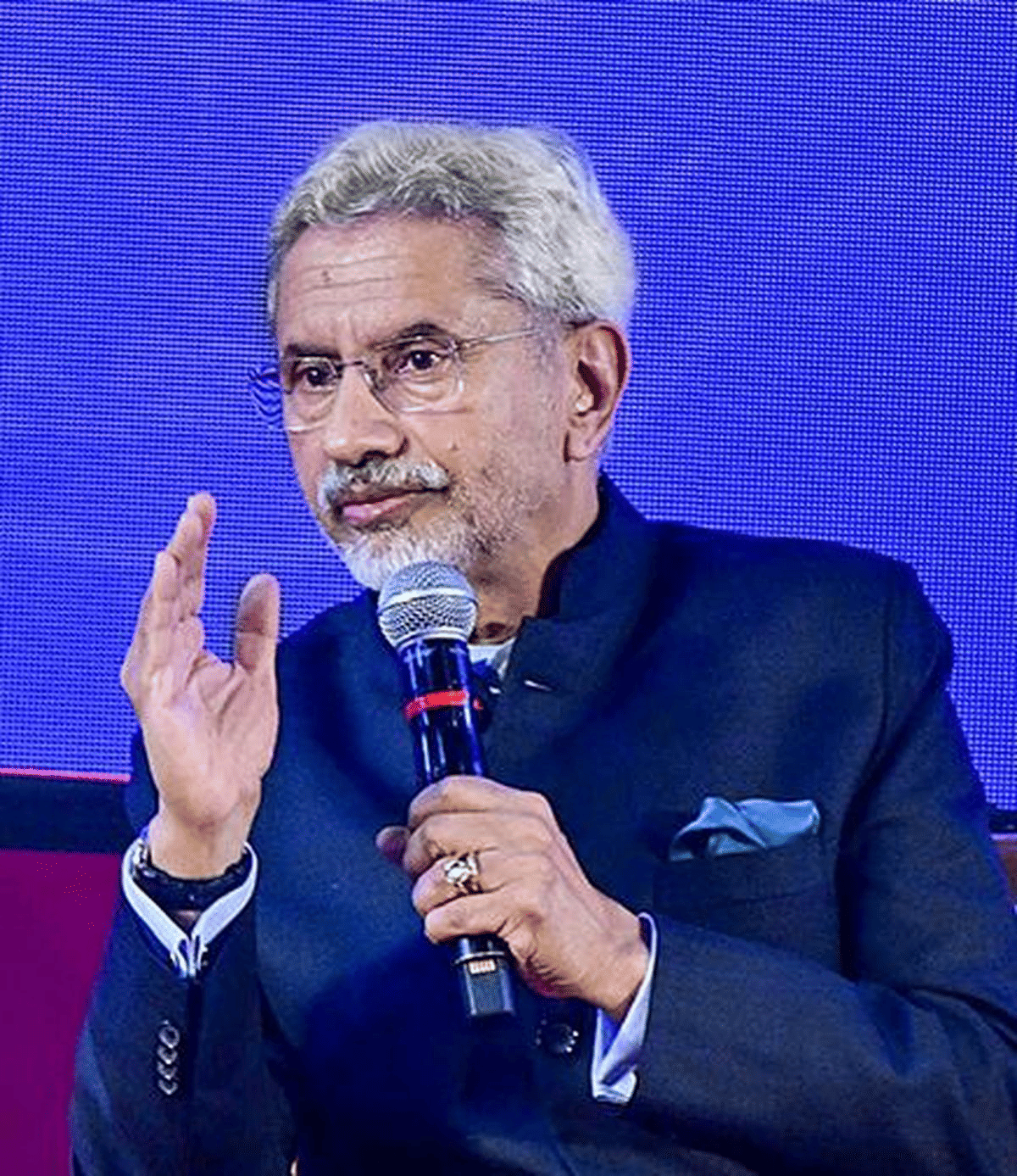
What is Jaishankar's 5-Point Washington Agenda?
The 5-point Washington agenda outlines guiding principles for enhancing India-U.S. ties. It focuses on these critical areas:
1. Early Modi-Trump Meeting
- Significance of Early Interaction: Early and frequent meetings between Indian Prime Minister Narendra Modi and former U.S. President Donald Trump laid the groundwork for robust bilateral ties.
- Strategic Relations Focus: Shared priorities such as defense cooperation, counter-terrorism, and energy security were emphasized.
- Foundation for Future Talks: These interactions built trust, paving the way for Jaishankar’s focused agenda.
2. Quad Summit and Regional Security
- Revival of the Quad: Strengthening the Quad (India, the U.S., Japan, and Australia) demonstrates a shared vision for a free and open Indo-Pacific.
- Maritime Security Focus: Discussions aim to ensure stability in critical maritime regions, complementing India’s Act East policy.
- Counterbalancing China: The Quad addresses China’s assertive regional policies.
3. Trade Discussions
- Resolving Tariff Disputes: Addressing long-standing issues like tariffs on steel, aluminum, and agricultural goods.
- Enhancing Bilateral Trade: Strengthening trade relations as bilateral trade volume surpasses $120 billion.
- Key Sectors: Technology, energy, and pharmaceuticals remain areas of mutual interest.
4. Immigration Reforms
- H1-B Visa Challenges: Addressing concerns over visa restrictions affecting Indian professionals.
- Talent Mobility: Advocating for smoother movement of skilled workers.
- Indian Diaspora Advocacy: Prioritizing the interests of the significant Indian-American community.
5. Tariff Adjustments
- Reciprocity in Trade: Balancing the U.S.’ demand for reduced tariffs with India’s market interests.
- Boosting Exports: Promoting Indian exports to the U.S. through fair trade practices.
- Dispute Resolution: Strengthening mechanisms to resolve trade conflicts.
Why This Agenda Matters
1. Impact of the Trump Presidency
Policy hurdles like tariff hikes and immigration restrictions during the Trump era necessitated a recalibrated approach for smoother bilateral relations.
2. Rising Trade Volumes
With Indo-U.S. trade reaching record levels, structured engagement is vital for sustained economic cooperation.
3. Geopolitical Shifts
China’s growing influence in Asia calls for a strong India-U.S. partnership, particularly in the Indo-Pacific region.
4. Technological Collaboration
India’s role as a global tech hub highlights the need for deeper collaboration in artificial intelligence, semiconductor manufacturing, and cybersecurity.
5. Shared Democratic Values
Strengthening ties aligns with the mutual promotion of democracy and a rule-based international order.
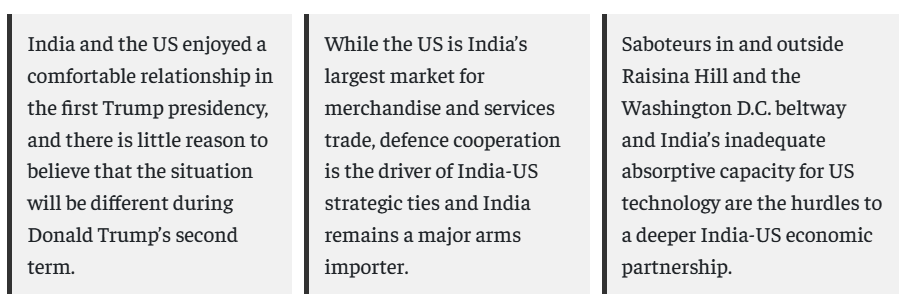
Significance of the Agenda for Indo-U.S. Relations
- Enhanced Defense Collaboration: Facilitating joint military exercises, co-development of defense technologies, and increased defense imports.
- Economic Synergy: Addressing trade disputes to encourage investments and growth in sectors like IT, pharmaceuticals, and agriculture.
- Cultural and Educational Exchanges: Simplifying immigration policies to promote people-to-people ties, educational opportunities, and cultural understanding.
- Global Leadership: Collaboration in climate change, health, and technology boosts both nations’ global standing.
- Indo-Pacific Security: Strengthening the Quad ensures stability and counters regional threats.
Challenges to Overcome
- Trade Disputes: Tariff disagreements on commodities like steel and agricultural products hinder progress.
- Immigration Bottlenecks: U.S. visa caps and delays affect Indian skilled workers, straining bilateral goodwill.
- Geopolitical Tensions: Divergent stances on global conflicts, including Russia, may complicate cooperation.
- Technology Transfer Barriers: Restrictions on sensitive tech exports to India limit defense collaborations.
- Domestic Pressures: Political and economic challenges in both nations could influence policy priorities.
Way Forward
- Streamline Trade Agreements: Reduce tariffs and non-tariff barriers to ensure mutual trade benefits.
- Advance Immigration Reforms: Collaborate on visa frameworks to support skilled professionals and ease processing times.
- Deepen Defense Ties: Enhance joint projects in defense technology and strategic systems.
- Leverage Quad Partnerships: Strengthen regional connectivity and maritime security in the Indo-Pacific.
- Promote Energy Security: Expand renewable energy initiatives for mutual growth.
- Address Domestic Concerns: Build bipartisan support in both nations to maintain stability in relations.
- Regular High-Level Dialogues: Foster frequent interactions to address emerging challenges and opportunities.
Conclusion
Jaishankar’s 5-point Washington agenda holds the potential to redefine India-U.S. bilateral relations. By addressing key challenges and leveraging shared goals, both nations can build a robust partnership that contributes to regional stability, economic growth, and global leadership.
Download the PREPP App and attempt FREE IAS Exam Mock Tests and get complete study material!

Live Test : UPSC CSE Prelims CSAT (Paper-II) (Oct 08 - 11)
Full Test - 04: UPSC CSE Prelims CSAT (Paper-II)
Full Test - 03: UPSC CSE Prelims CSAT (Paper-II)
UPSC CSE Prelims 2026 GS Paper 1 Question Paper (24-May-2026)
UPSC CSE Prelims 2026 CSAT Paper 2 Question Paper (24-May-2026)

17 February 2025 | The Hindu Must Read Articles | Current Affairs

16 February 2026 | The Hindu Must Read Articles | Current Affairs

13 February 2026 | The Hindu Must Read Articles | Current Affairs









Comments