Iran’s Islamic Revolution: A Turning Point in History
Why in the News?
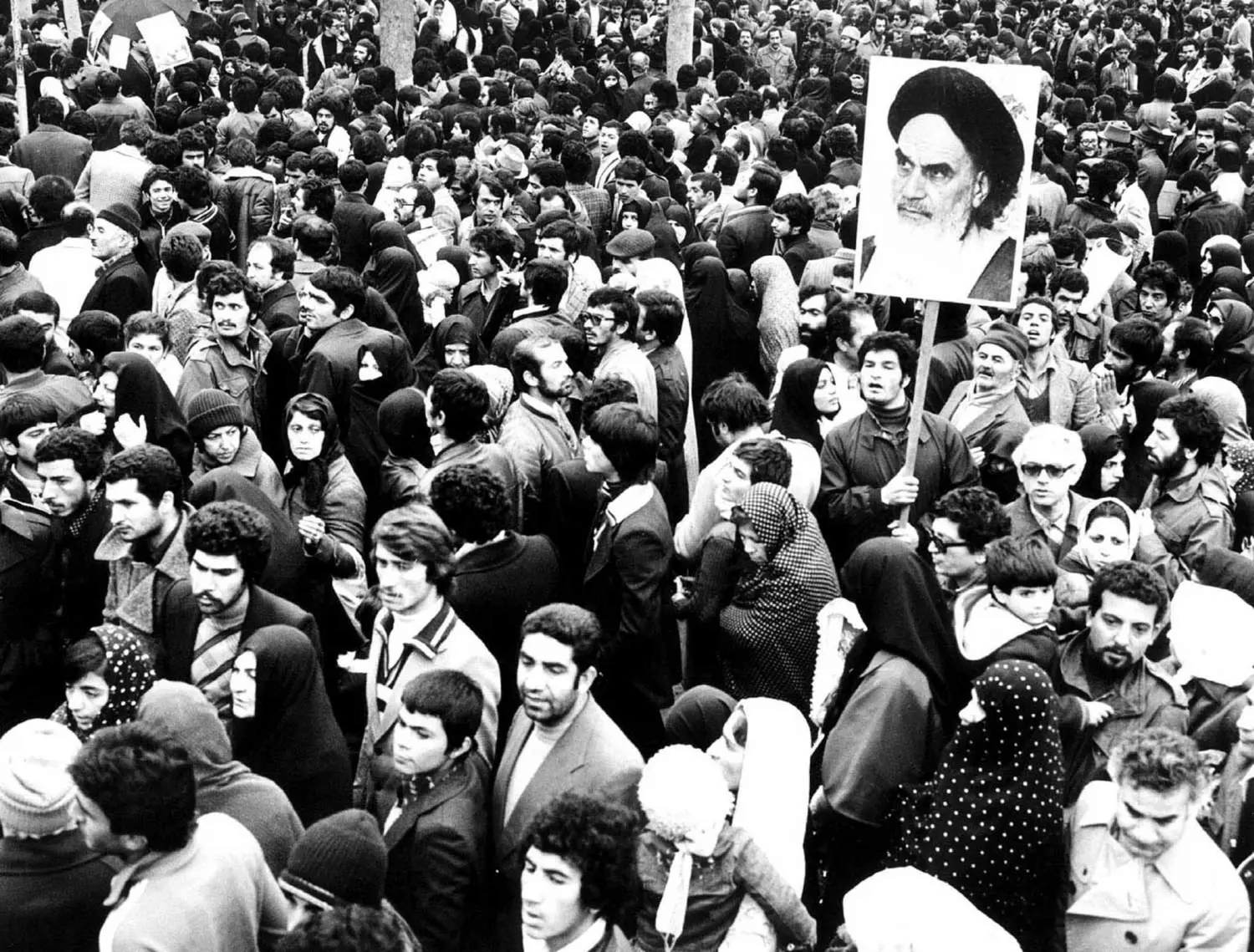
Tens of thousands of Iranians recently gathered to mark the anniversary of the 1979 Islamic Revolution, a key event in the nation’s history.
Present Political Climate and US-Iran Relations
- The recent anniversary took place amid heightened tensions between Iran and the United States, primarily due to the U.S. maximum pressure campaign initiated by former President Donald Trump.
- Economic sanctions imposed by the U.S. have severely impacted Iran’s economy, leading to high inflation and economic struggles for its citizens.
- Iran’s Supreme Leader, Ayatollah Ali Khamenei, firmly rejected negotiations with the U.S., labeling them as neither intelligent nor honorable.
- Despite economic hardships, many Iranians remain steadfast in their support for the Islamic Republic, opposing Western influence in their nation.
Background of Iran’s Islamic Revolution
Rule of the Shah and Public Discontent
- Prior to the revolution, Shah Mohammad Reza Pahlavi ruled Iran, maintaining close ties with the United States and Western nations.
- Widespread dissatisfaction grew due to:
- Political repression and lack of democratic freedoms.
- Economic disparity and perceived corruption within the monarchy.
- The Shah’s alignment with Western interests, which many Iranians viewed as subservient.
Religious and Political Opposition
- Ayatollah Ruhollah Khomeini, a leading cleric, became the figurehead of the anti-Shah movement, advocating for an Islamic state.
- A diverse coalition of Islamists, communists, and secularists united against the Shah’s rule.
The Course of the Revolution
Mass Protests and the Shah’s Departure
- Nationwide protests and demonstrations erupted, demanding the Shah’s removal.
- In January 1979, the Shah fled Iran, seeking exile in foreign countries.
- Khomeini returned from exile to lead the revolutionary movement.
Collapse of the Monarchy and Rise of the Islamic Republic
- On February 11, 1979, the Iranian monarchy officially collapsed.
- A national referendum in April 1979 led to the establishment of the Islamic Republic, with Ayatollah Khomeini as Supreme Leader.
Consequences and Aftermath of the Revolution
U.S.-Iran Hostage Crisis (1979-1981)
- In November 1979, Iranian students stormed the U.S. Embassy in Tehran, taking 52 American diplomats hostage for 444 days.
- This event severely strained U.S.-Iran relations and led to long-lasting diplomatic hostilities.
Iran-Iraq War (1980-1988)
- Following an invasion by Iraqi leader Saddam Hussein, Iran engaged in a brutal eight-year war, suffering significant economic and human losses.
- The war shaped Iran’s military and foreign policy, reinforcing its opposition to Western-backed regimes.
Political and Economic Changes
- The Islamic Republic consolidated power, suppressing opposition groups, including communists and secular activists.
- Iran’s economy shifted due to the nationalization of industries and the imposition of strict religious laws.
Regional Influence and Export of Revolution
- Iran actively supported Islamic movements across the Middle East, fueling tensions with regional powers like Saudi Arabia.
- The country maintains strong alliances with groups such as Hezbollah in Lebanon and various militias in Iraq and Yemen.
Iran’s Present-Day Challenges and Global Relations
Ongoing U.S. Sanctions and Diplomatic Struggles
- Iran remains in continuous conflict with the West, particularly the U.S. and Israel.
- Economic sanctions continue to strain Iran’s economy, impacting daily life for its citizens.
Nuclear Program Controversy
- Iran’s nuclear ambitions remain a global concern, with Western nations fearing potential weaponization.
- Diplomatic efforts, such as the 2015 Joint Comprehensive Plan of Action (JCPOA), have seen fluctuations in implementation and enforcement.
Public Unrest and Calls for Reform
- Recent years have seen widespread protests in Iran over:
- Government corruption and mismanagement.
- Economic hardships, including inflation and unemployment.
- Social restrictions and lack of freedoms.
Women’s Rights Movement in Iran
- A growing movement advocating for women’s rights and personal freedoms has emerged.
- Iranian women continue to challenge conservative laws, demanding greater autonomy and equality.
Conclusion
The 1979 Islamic Revolution remains a defining moment in Iran’s history, shaping its political ideology, economy, and foreign relations. As Iran navigates its present challenges, including sanctions, internal dissent, and global diplomacy, the legacy of the revolution continues to influence its path forward.
Download the PREPP App and attempt FREE IAS Exam Mock Tests and get complete study material!
*The article might have information for the previous academic years, please refer the official website of the exam.
How likely are you to recommend Prepp.in to a friend or a colleague?
Not so likely
Highly likely
UPSC CSE (IAS) 2027 Prelims Mock Test Series
Live Quizzes
Quizzes
Live Tests

• Live
Live Test : UPSC CSE Prelims CSAT (Paper-II) (Oct 08 - 11)
120 Minutes
80 Questions
200 Marks
English, Hindi
MEDIUM
Test will end in 05:30:34
Full Tests
Full Test - 04: UPSC CSE Prelims CSAT (Paper-II)
120 Minutes
80 Questions
200 Marks
English, Hindi
MEDIUM
Attempted by 19 aspirants in 12 hours
Full Test - 03: UPSC CSE Prelims CSAT (Paper-II)
120 Minutes
80 Questions
200 Marks
English, Hindi
MEDIUM
Attempted by 20 aspirants in 12 hours
Previous Year Papers
UPSC CSE Prelims 2026 GS Paper 1 Question Paper (24-May-2026)
120 Minutes
100 Questions
200 Marks
2,989 Attempted
English, Hindi
MEDIUM
Attempted by 12 aspirants in 12 hours
UPSC CSE Prelims 2026 CSAT Paper 2 Question Paper (24-May-2026)
120 Minutes
80 Questions
200 Marks
3,167 Attempted
English, Hindi
MEDIUM
Attempted by 13 aspirants in 12 hours
Videos

17 February 2025 | The Hindu Must Read Articles | Current Affairs
7,202 Views
•4
•7 months ago

16 February 2026 | The Hindu Must Read Articles | Current Affairs
6,962 Views
•4
•7 months ago

13 February 2026 | The Hindu Must Read Articles | Current Affairs
8,765 Views
•5
•7 months ago

12 February 2026 | The Hindu Must Read Articles | Current Affairs
5,788 Views
•4
•7 months ago






Also Check
IAS Exam Overview
IAS Exam Admit Card
IAS Exam Question Paper 2026
IAS Exam Mains Syllabus
IAS Exam Application Process
IAS Exam Eligibility
IAS Exam Result
IAS Exam Exam Pattern
IAS Exam CSAT Syllabus
IAS Exam Answer Key
IAS Exam Previous Year Paper
IAS Exam Current Affairs
IAS Exam Mains Question Paper
IAS Exam IAS Courses
IAS Exam UPSC Study Notes
IAS Exam Foundation Course 2024
IAS Exam Prelims Question Paper
IAS Exam Exam Center
IAS Exam Foundation Course 2025
IAS Exam Notification 2026
IAS Exam IAS Success Stories
IAS Exam Salary
IAS Exam Cutoff
IAS Exam Mock Tests
IAS Exam News


Comments