Industry Status to Tourism: A Game-Changer for India
Why in the News?
The Kerala government is poised to grant ‘industry status’ to tourism, fulfilling a long-pending demand of the tourism and hospitality sector. This move could significantly boost investment, job creation, and infrastructure development in the state.
Current Status of Tourism in India
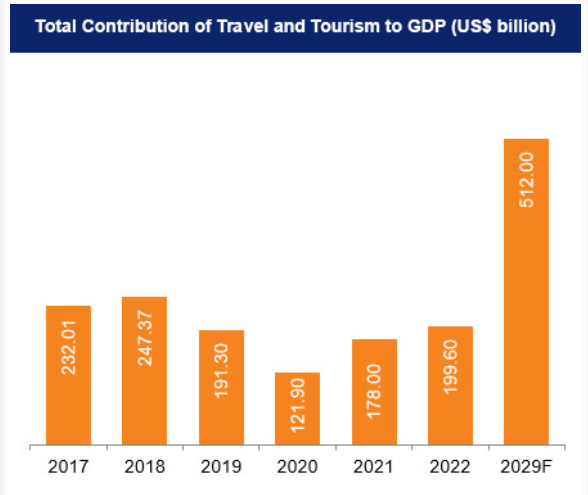
Economic Contribution
- Tourism is a crucial pillar of India's economy, contributing US$ 199.6 billion to the GDP in 2022. The sector is projected to grow annually by 7.1%, reaching US$ 512 billion by 2028.
Employment Generation
- The Indian travel and tourism sector supports approximately 53 million jobs, with projections indicating further growth by 2029.
Foreign and Domestic Tourism Growth
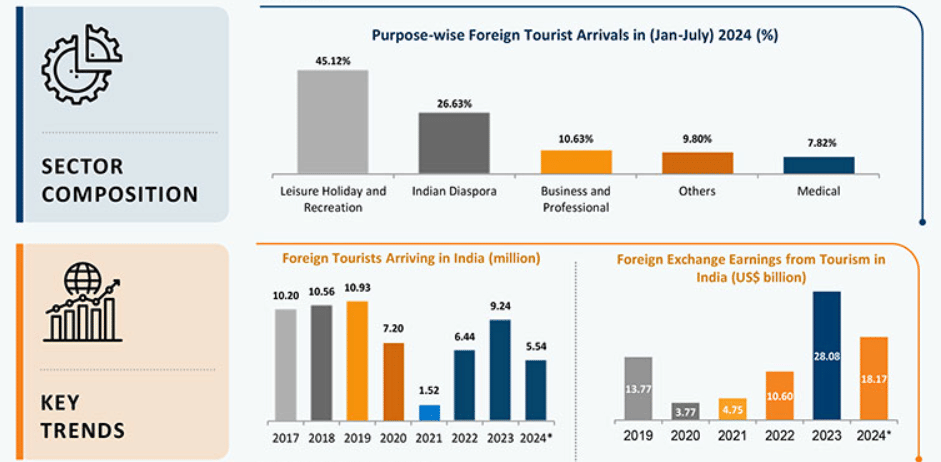
- Foreign Tourist Arrivals: Expected to reach 30.5 million by 2028, generating over US$ 59 billion in revenue.
- Domestic Tourism: Post-pandemic recovery has driven domestic tourism, becoming a major growth driver.
Hotel and Aviation Sector Expansion
- The Indian hotel market was valued at US$ 32 billion in 2020 and is anticipated to reach US$ 52 billion by 2027.
- The airline travel market is projected to double by FY27.
States Granting Industry Status to Tourism
- Eleven states, including Gujarat, Rajasthan, Goa, and Uttarakhand, have already granted industry status to tourism, enhancing investment and employment opportunities.
Why Granting Industry Status to Tourism is Crucial
Investment and Incentives
Industry status provides financial incentives, such as:
- Lower power and water tariffs
- Reduced property taxes
- Subsidies for infrastructure development These measures encourage private and foreign investment in the sector.
Employment Generation
Tourism is labor-intensive, supporting millions of jobs in hospitality, transport, and local crafts. Industry status can significantly enhance employment opportunities across these sectors.
Boost to Infrastructure Development
Recognition of tourism as an industry would lead to better infrastructure, including:
- Improved road networks and airports
- Expansion of hotels and resorts
- Enhanced public transportation
Economic Diversification & Competitiveness
Tourism can help diversify India's economy, reducing dependency on agriculture and manufacturing. With well-crafted policies, India can enhance its global competitiveness in tourism.
Support for SMEs and Local Businesses
Industry status can provide financial incentives and regulatory support for homestays, local transport services, and handicrafts, benefiting small and medium enterprises (SMEs).
India’s Competitive Edge in Tourism

Government Initiatives Boosting Tourism
- Swadesh Darshan Scheme: Development of theme-based tourist circuits (76 projects sanctioned).
- PRASHAD Scheme: Focus on pilgrimage and heritage site development (46 projects approved).
- Skill Development Programs: Over 12,000 individuals trained for tourism jobs.
- Visa Reforms: Expansion of Golden Visa scheme and free visas for 5 lakh tourists post-pandemic.
- Loan Guarantee Scheme: Financial aid of US$ 12,110 for tourism stakeholders affected by COVID-19.
- NIDHI 2.0 Initiative: A national hospitality database for digital transformation.
Challenges in Granting Industry Status to Tourism
Environmental Concerns
- Increased tourism can lead to deforestation, pollution, and ecosystem strain (e.g., fragile Himalayan regions).
Over-commercialization of Heritage Sites
- Historical authenticity may be compromised due to excessive tourism.
Unequal Distribution of Benefits
- Large corporations may benefit more than local businesses and communities.
Seasonal Employment Issues
- Many tourism-related jobs are seasonal, leading to financial instability for workers.
Cultural Erosion
- Indigenous traditions may be diluted due to mass tourism.
Infrastructure Deficiencies
- Many remote destinations lack roads, transport, and sanitation (e.g., poor connectivity to Ladakh).
Policy & Regulatory Challenges
- Complex regulations hinder private investment and ease of doing business.
Safety & Security Concerns
- Issues like tourist scams, harassment, and security lapses impact foreign arrivals.
Sustainability Issues
- Rapid tourism growth pressures fragile ecosystems, leading to habitat destruction.
Post-Pandemic Recovery
- The COVID-19 pandemic severely impacted international tourism, slowing recovery.
Lack of Skilled Workforce
- Shortage of trained professionals, such as multilingual guides in destinations like Varanasi.
Way Forward: Sustainable Growth in Tourism
Promoting Sustainable Tourism
- Implement eco-friendly policies (e.g., Sikkim’s sustainable tourism model).
Public-Private Partnerships (PPP)
- Encouraging collaborations, like Rajasthan’s heritage hotel model.
Skill Development Programs
- Expanding vocational training for youth in tourism and hospitality.
Digital Promotion & Smart Tourism
- Leveraging AI-driven travel planning, virtual tourism, and smart apps.
Incentivizing Rural Tourism
- Promoting lesser-known destinations to reduce over-tourism in major hotspots.
Strengthening Safety Measures
- Enhancing tourist grievance redressal systems and law enforcement.
Conclusion
Granting industry status to tourism in Kerala and across India will revolutionize the sector, fostering investment, job creation, and infrastructure development. However, a balanced approach ensuring environmental sustainability, equitable growth, and cultural preservation is crucial. With proactive policies and strategic initiatives, India can emerge as a global tourism leader in the coming years.
Download the PREPP App and attempt FREE IAS Exam Mock Tests and get complete study material!

Live Test : UPSC CSE Prelims CSAT (Paper-II) (Oct 08 - 11)
Full Test - 04: UPSC CSE Prelims CSAT (Paper-II)
Full Test - 03: UPSC CSE Prelims CSAT (Paper-II)
UPSC CSE Prelims 2026 GS Paper 1 Question Paper (24-May-2026)
UPSC CSE Prelims 2026 CSAT Paper 2 Question Paper (24-May-2026)

17 February 2025 | The Hindu Must Read Articles | Current Affairs

16 February 2026 | The Hindu Must Read Articles | Current Affairs

13 February 2026 | The Hindu Must Read Articles | Current Affairs









Comments