Indo-French Defence Relations and Strategic Autonomy Policy: Key Insights
Why in the News?
Prime Minister Narendra Modi’s upcoming visit to Paris in February 2025 is expected to finalize significant defense agreements. The key focus will be on the procurement of cutting-edge military assets, reinforcing India’s defense capabilities in line with its policy of strategic autonomy.
Major Defence Deals Underway
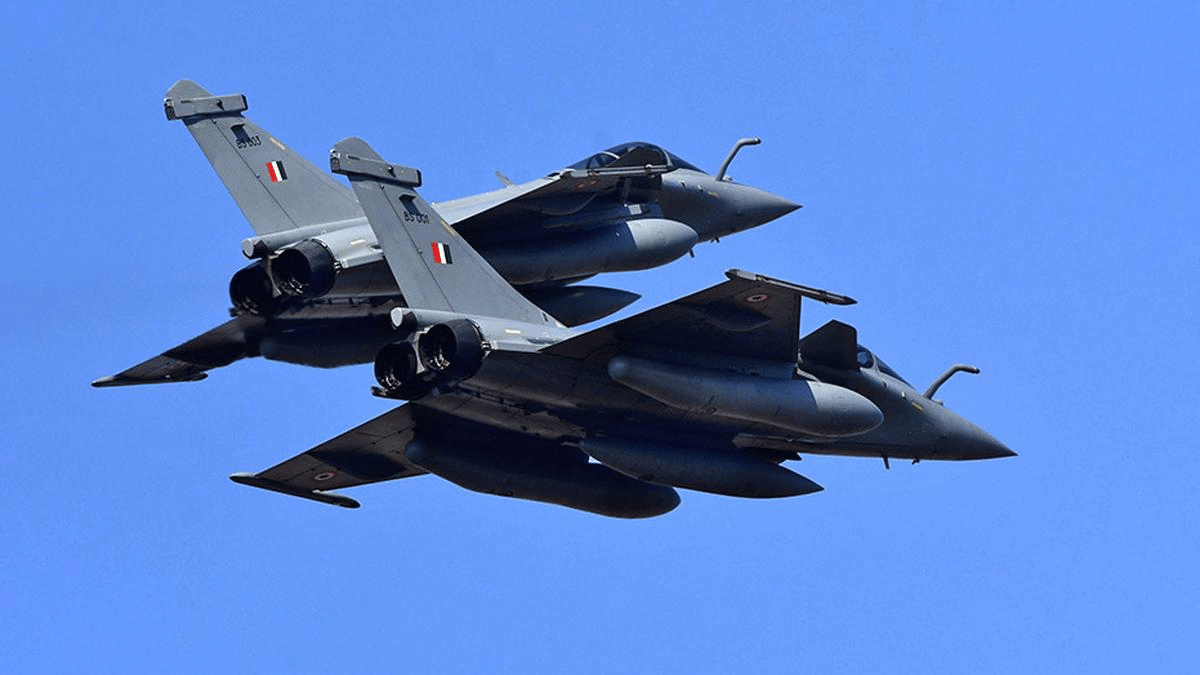
1. Rafale-M Fighter Jet Deal: India is set to procure 26 Rafale-M fighter jets, comprising 22 single-seater and 4 twin-seater trainers, to enhance its naval fleet. The deal is nearing final approval and will provide crucial air power for India’s aircraft carriers, INS Vikramaditya and INS Vikrant.
2. Scorpene Submarine Deal: India plans to acquire three more Scorpene-class conventional submarines, a repeat order with Mazagon Dock Shipbuilders Limited in partnership with France's Naval Group. This move aims to address gaps in India’s aging submarine fleet.
Strategic Autonomy: India and France’s Shared Approach
Both India and France follow the policy of strategic autonomy, which enables them to maintain sovereignty in international relations while diversifying their defense partnerships.
India’s Strategic Autonomy
India’s strategy emphasizes independence in foreign affairs, maintaining strong ties with global powers like Russia, France, and the United States, while avoiding over-reliance on any one country or alliance.
France’s Approach to Strategic Autonomy
France’s strategy, rooted in its Gaullist tradition, emphasizes autonomy from the United States and a willingness to sometimes diverge from NATO policies. This includes maintaining an independent nuclear deterrent and prioritizing national sovereignty in global matters.
Indo-French Defence Relations: A Historical Overview
Early Cooperation
India and France’s defence cooperation dates back to the 1950s, with collaborations in nuclear and space research. The Strategic Partnership Agreement signed in 1998 marked the beginning of long-term defence, space, and investment collaborations between the two countries.
Key Milestones and Modern Cooperation
Over the last two decades, Indo-French ties have expanded into crucial sectors, including the Indo-Pacific region, with joint initiatives aimed at ensuring regional stability and promoting a multipolar world order.
Indo-French Defence Cooperation: Strengthening Global Security
Maritime Security and the Indian Ocean
The Indian Ocean has become a focal point of Indo-French collaboration. France, with its strategic bases in the region, and India work closely to address key maritime security challenges such as piracy and illegal fishing. The joint strategic vision for the Indian Ocean Region (IOR) promotes freedom of navigation and a rules-based maritime order.
Space Cooperation: From Satellite Launches to Security
India and France have partnered in space exploration since the 1960s, with joint projects like the Megha-Tropiques satellite. Future initiatives will expand into areas like space situational awareness and deep-space exploration.
Joint Military Exercises
Regular military exercises like Varuna (naval), Garuda (air), and Shakti (army) foster deeper cooperation, enhancing readiness for counter-terrorism and disaster response. These drills strengthen the operational partnership between the two countries.
Defence Equipment and Military Purchases
- India’s military modernization has benefited from French technology and expertise:
- Rafale Fighters: Enhancing India’s air combat capabilities.
- Scorpene Submarines: Expanding India’s undersea warfare capabilities.
- Advanced Weaponry: Ongoing collaboration in missile systems, radar technologies, and defensive equipment.
- Additionally, technology transfers are facilitating India’s move toward indigenous defence production, reinforcing the country’s push for self-reliance.
Civil-Nuclear Cooperation
India and France have also deepened their cooperation in civil nuclear energy, with Jaitapur Nuclear Power Project in Maharashtra being a landmark initiative. These partnerships highlight shared goals for clean energy and sustainable development.
Challenges and Controversies in Indo-French Defence Cooperation
Despite significant cooperation, challenges remain:
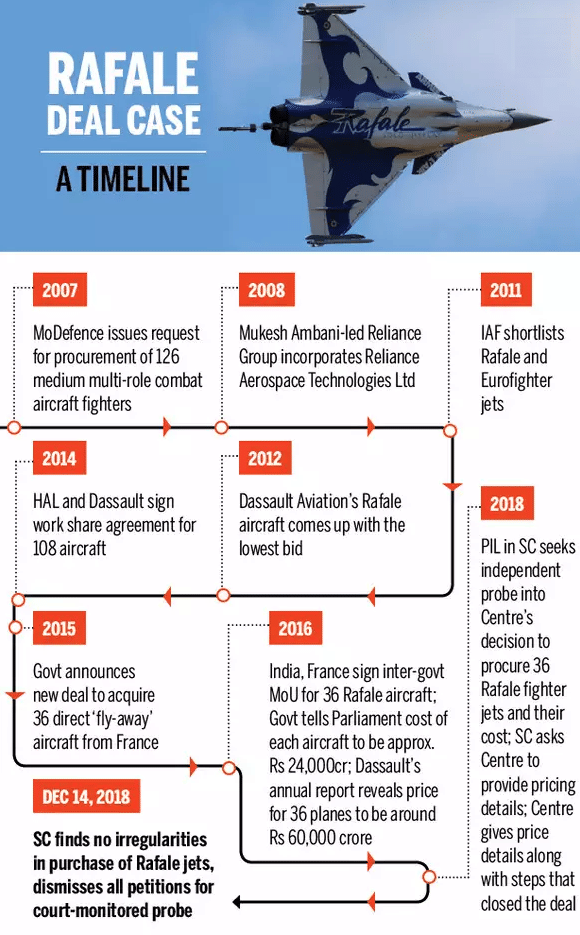
- Rafale Deal Controversy: Allegations of cost inflation and lack of transparency in the Rafale fighter jet deal have raised political concerns in India.
- China Policy Differences: While France engages diplomatically with China, India maintains a confrontational stance due to border disputes, occasionally creating friction in strategic discussions.
- Economic and Budgetary Constraints: The high costs associated with advanced defense systems, such as the Rafale jets, can strain India’s defense budget.
- Geopolitical Misalignments: Differences in responses to crises like the Russia-Ukraine war highlight underlying strategic divergences.
- Operational Readiness: Delays in projects like the Jaitapur nuclear reactors reflect challenges in aligning priorities and timelines.
Future Prospects and the Way Forward
- Deepening Maritime Cooperation: Expanding surveillance and patrolling in the Indo-Pacific to counter China’s growing influence.
- Leveraging Technology Transfer: Prioritizing next-generation defence technologies, including artificial intelligence and hypersonic weapons.
- Global Diplomacy: India and France should leverage platforms like the G20 to align policies on climate change, energy security, and regional stability.
- Civil-Nuclear Projects: Accelerating Jaitapur nuclear project timelines to meet India’s energy demands and showcase the strength of the partnership.
- Strategic Autonomy Dialogue: A structured dialogue mechanism could address divergences and solidify long-term alignment.
- People-to-People Exchange: Strengthening academic and cultural ties beyond just defence and diplomacy will form the foundation for lasting bilateral relations.
Conclusion
The Indo-French defense partnership is evolving into one of the most significant global alliances. With shared goals of strategic autonomy, regional stability, and technological advancement, India and France are poised to shape the future of global geopolitics, reinforcing a multipolar world order.
Download the PREPP App and attempt FREE IAS Exam Mock Tests and get complete study material!

Live Test : UPSC CSE Prelims CSAT (Paper-II) (Oct 08 - 11)
Full Test - 04: UPSC CSE Prelims CSAT (Paper-II)
Full Test - 03: UPSC CSE Prelims CSAT (Paper-II)
UPSC CSE Prelims 2026 GS Paper 1 Question Paper (24-May-2026)
UPSC CSE Prelims 2026 CSAT Paper 2 Question Paper (24-May-2026)

17 February 2025 | The Hindu Must Read Articles | Current Affairs

16 February 2026 | The Hindu Must Read Articles | Current Affairs

13 February 2026 | The Hindu Must Read Articles | Current Affairs









Comments