Indian Rupee Declines Against U.S. Dollar: Key Factors and Economic Impacts
Why in the News?
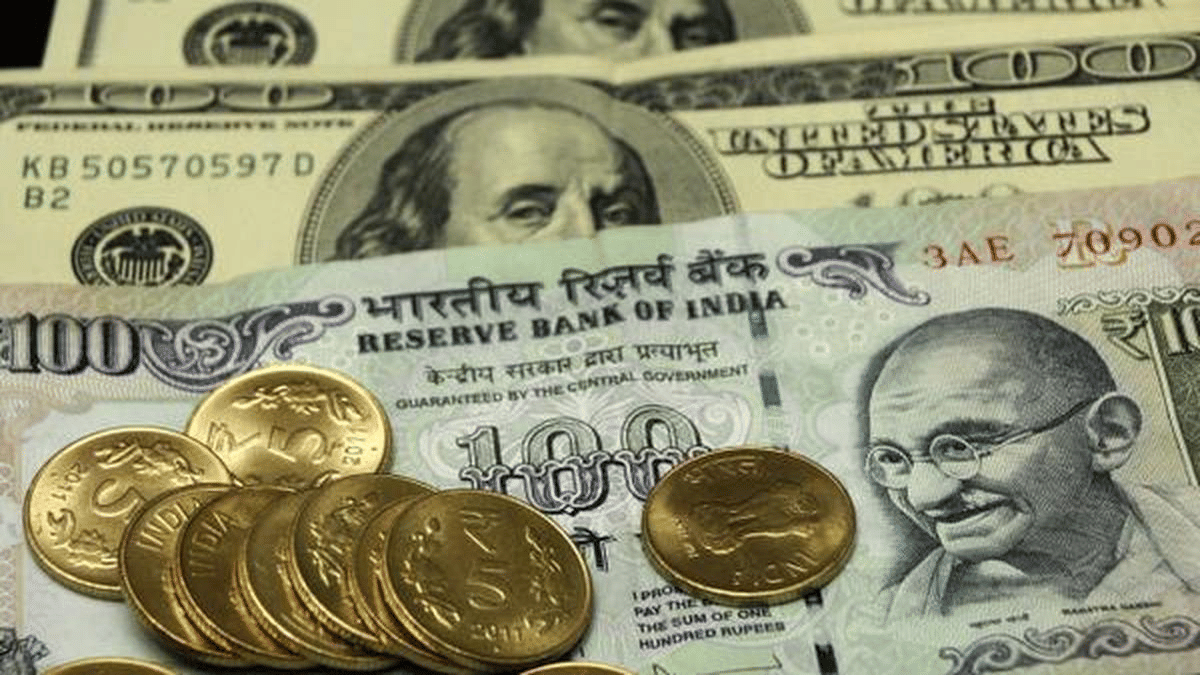
On January 10, 2025, the Indian rupee hit a record low of ₹86.00 against the U.S. dollar, down by 14 paise. This depreciation is attributed to a combination of factors including a stronger U.S. dollar, foreign fund outflows, and rising crude oil prices. Understanding the underlying causes and the economic consequences of this currency movement is crucial for both investors and consumers.
Reasons Behind the Falling Indian Rupee
- Strengthening U.S. Dollar
The dollar index surged to a two-year high, boosted by better-than-expected U.S. job growth and the anticipation of slower Federal Reserve rate cuts. This stronger dollar puts pressure on other currencies, including the Indian rupee.
- Rising Crude Oil Prices
Brent crude oil prices rose by 1.96% to $78.43 per barrel, escalating India's import costs. This spike in oil prices exacerbates the trade deficit and weakens the rupee further.
- Foreign Fund Outflows
Foreign Institutional Investors (FIIs) have consistently pulled capital out of India, selling ₹2,254.68 crore worth of equities on January 10. This withdrawal of funds contributes significantly to the rupee's decline.
- Weak Domestic Market Sentiment
The Sensex and Nifty indices have mirrored global market weaknesses, reflecting a negative investor sentiment. This pessimism has contributed to the downward pressure on the rupee.
- Declining Forex Reserves
India’s forex reserves fell by $5.693 billion to $634.585 billion in the week ending January 3. A reduction in reserves decreases the rupee’s resilience to external shocks.
- Global Geopolitical Tensions
Ongoing geopolitical conflicts, including the Russia-Ukraine war and tensions between the U.S. and China, have fueled risk-averse behavior among investors, further weakening the rupee.
Impacts of a Depreciating Rupee
- Inflationary Pressures
A weaker rupee increases the cost of imports, especially for essential goods like crude oil, leading to higher prices and inflationary pressures across India.
- Strained Household Budgets
Higher prices for everyday goods such as groceries, clothing, and electronics are tightening household budgets, making life more expensive for the average Indian.
- Increased Costs for Education and Travel
Students and travelers who need to exchange rupees for foreign currencies will face higher expenses, with studying abroad or traveling internationally becoming more costly.
- Enhanced Export Competitiveness
On the flip side, a depreciated rupee benefits export-oriented sectors such as IT, pharmaceuticals, and gems and jewelry, as their products become more affordable on the global market.
- Pressure on Importers
Businesses dependent on imports face higher input costs, which may negatively impact their profit margins and lead to higher prices for consumers.
- Impact on Debt Servicing
Companies with foreign-denominated debt experience higher repayment burdens, negatively affecting their financial health and balance sheets.
- Investor Sentiment
A falling rupee could lead to capital flight, resulting in reduced foreign direct investment (FDI) inflows and greater pressure on domestic markets.
- Macroeconomic Growth
Combined inflationary pressures and reduced investment could slow down India’s overall economic growth, affecting both businesses and individuals.
Possible Responses from the Reserve Bank of India (RBI)
To stabilize the rupee, the RBI may consider several measures:
- Selling Dollars: The RBI could sell U.S. dollars from its forex reserves to increase dollar supply and stabilize the rupee.
- Buying Rupees: By purchasing rupees in the market, the RBI can boost demand for the currency.
- Interest Rate Adjustments: Raising interest rates could attract foreign investment and help strengthen the rupee.
- Liquidity Management: Tightening liquidity can help reduce inflationary pressures, indirectly supporting the rupee.
- Monitoring Global Trends: The RBI must closely monitor global economic trends, oil prices, and foreign fund flows to decide on further interventions.
Exchange Rate Dynamics and Influencing Factors
The exchange rate is the value of one currency against another, determined by the supply and demand for the currency in the global market. Several factors influence the exchange rate of the Indian rupee:
- Trade in Goods: A higher volume of imports increases the demand for dollars, weakening the rupee.
- Trade in Services: Exports like IT services can strengthen the rupee, while tourism and outsourcing increase dollar demand.
- Investment Flows: Inflows of foreign portfolio investments (FPIs) strengthen the rupee, whereas outflows weaken it.
- Inflation Rates: Higher inflation reduces the rupee's purchasing power against the dollar.
- Interest Rate Differentials: Lower interest rates in India, compared to the U.S., make the dollar more attractive.
- Geopolitical Events: Global instability increases demand for safe-haven currencies like the U.S. dollar.
Challenges for the Indian Economy
- Global Uncertainty: Ongoing geopolitical tensions and economic instability put sustained pressure on emerging market currencies, including the rupee.
- Dependence on Imports: India's reliance on imported crude oil and goods amplifies the impact of a falling rupee, leading to higher inflation and worsening trade deficits.
- FII Withdrawal: Continued foreign fund outflows contribute to volatility in both the equity and forex markets.
- Limited Policy Options: The RBI faces challenges in balancing inflation control with economic growth, which limits its ability to manage the exchange rate.
- Export Gains May Not Offset Losses: While a weaker rupee benefits exporters, a global slowdown may limit the positive impact on Indian businesses.
- High Inflation: Persistent inflation erodes the rupee's purchasing power, reducing its competitiveness in global markets.
- Debt Servicing: The weakening rupee increases the cost of servicing external debt, putting pressure on businesses and the economy.
Way Forward for India
To mitigate the effects of a falling rupee and ensure long-term economic stability, India should focus on:
- Promoting Domestic Production: Strengthening local industries can reduce reliance on imports and help insulate the economy from currency fluctuations.
- Supporting Export Growth: Policies that enhance export competitiveness can help address the trade deficit.
- Attracting Stable Investments: Focusing on long-term FDI rather than volatile FPIs can provide greater economic stability.
- Diversifying Imports: Reducing dependence on crude oil through investments in renewable energy and increasing domestic production of essential goods can lower import costs.
- Managing Inflation: Implementing fiscal and monetary policies to control inflation will help maintain currency stability.
- Strengthening Forex Reserves: Building a robust forex buffer and exploring currency swap agreements with trading partners can provide a safety net during market volatility.
- Long-Term Structural Reforms: Investing in infrastructure, technology, and business-friendly reforms can improve India’s economic resilience.
By addressing these structural issues, India can strengthen its economy and mitigate the challenges posed by a falling rupee.
Download the PREPP App and attempt FREE IAS Exam Mock Tests and get complete study material!

Live Test : UPSC CSE Prelims CSAT (Paper-II) (Oct 08 - 11)
Full Test - 04: UPSC CSE Prelims CSAT (Paper-II)
Full Test - 03: UPSC CSE Prelims CSAT (Paper-II)
UPSC CSE Prelims 2026 GS Paper 1 Question Paper (24-May-2026)
UPSC CSE Prelims 2026 CSAT Paper 2 Question Paper (24-May-2026)

17 February 2025 | The Hindu Must Read Articles | Current Affairs

16 February 2026 | The Hindu Must Read Articles | Current Affairs

13 February 2026 | The Hindu Must Read Articles | Current Affairs









Comments