Gangetic Dolphin: India Records 6,327 Individuals in First-Ever Survey
Why in the News?
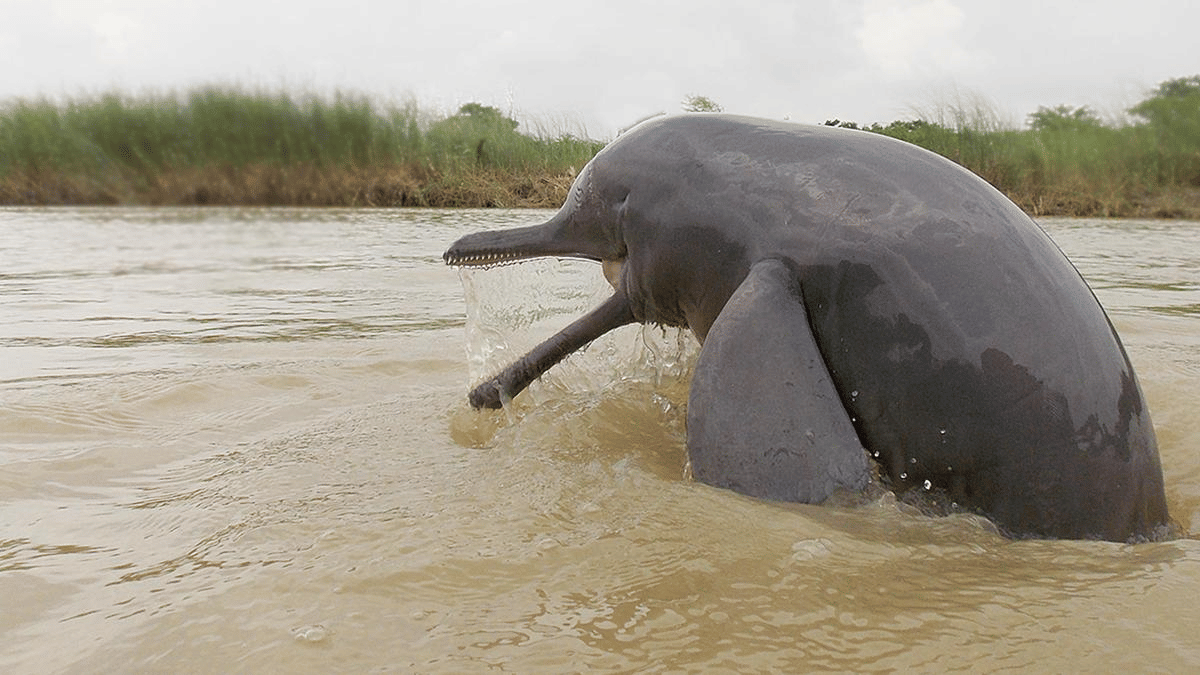
India has recorded a total of 6,327 Gangetic dolphins in its first-ever nationwide survey, marking a crucial step in understanding and conserving this endangered species. These freshwater dolphins were counted across the Ganga River and its tributaries, with populations also observed in the Brahmaputra and Beas rivers.
Survey Findings
- Total population: 6,327 dolphins.
- Ganga River (main channel): 3,275 dolphins.
- Tributaries of Ganga: 2,414 dolphins.
- Other rivers (Brahmaputra & Beas): Smaller populations recorded.
- Top states with highest population:
- Uttar Pradesh (highest count)
- Bihar
- West Bengal
- Assam
- Survey method: Acoustic hydrophones.
- Duration: 4 years, covering 8,507 km.
Gangetic Dolphin: Key Facts
Scientific Classification
- Scientific Name: Platanista gangetica
- Common Names: Susu, Shushuk, Hiho, Soons, Pani Suar (historical Mughal-era name)
- Ancient References: Known as Shishumar in Sanskrit texts.
Habitat & Distribution
- Found in the Ganges-Brahmaputra-Meghna and Karnaphuli-Sangu river systems.
- Native to India, Nepal, and Bangladesh.
- Prefers deep river pools, eddy currents, and confluences.
Physical Characteristics & Behavior
- Color Variations: Tan, chocolate brown, dark grey, or light blue.
- Size: 2.2–2.6 meters (7–8 feet), with females larger than males.
- Distinguishing Features: Rectangular dorsal fin, elongated snout, sharp teeth.
- Blindness & Echolocation: The Gangetic dolphin is essentially blind and navigates using echolocation.
- Diet: Fish, crustaceans, turtles, and small sharks.
- National Status: Declared India’s National Aquatic Animal.
Major Threats to Gangetic Dolphins
- Habitat Fragmentation: Dams and hydroelectric projects disrupt migration and breeding.
- Hunting & Poaching: Hunted for oil, meat, and bait for catfish.
- Pollution & Industrial Waste: Water pollution significantly degrades dolphin habitats.
- Noise Pollution & Ship Traffic: Affects their echolocation abilities.
- Climate Change: Rising temperatures and erratic water flow impact survival.
Conservation Status & Protection
- IUCN Red List: Endangered
- CITES: Listed in Appendix I (highest protection level).
- Indian Wildlife Protection Act, 1972: Schedule I (maximum protection under Indian law).
Conclusion
The first-ever survey of Gangetic dolphins provides crucial insights for conservation efforts. With habitat loss and human-induced threats, urgent conservation measures are essential to ensure the survival of India’s National Aquatic Animal. Strengthening river ecosystem protection, reducing pollution, and implementing stricter anti-poaching laws will be key in preserving this endangered species.
Download the PREPP App and attempt FREE IAS Exam Mock Tests and get complete study material!

Live Test : UPSC CSE Prelims CSAT (Paper-II) (Oct 08 - 11)
Full Test - 04: UPSC CSE Prelims CSAT (Paper-II)
Full Test - 03: UPSC CSE Prelims CSAT (Paper-II)
UPSC CSE Prelims 2026 GS Paper 1 Question Paper (24-May-2026)
UPSC CSE Prelims 2026 CSAT Paper 2 Question Paper (24-May-2026)

17 February 2025 | The Hindu Must Read Articles | Current Affairs

16 February 2026 | The Hindu Must Read Articles | Current Affairs

13 February 2026 | The Hindu Must Read Articles | Current Affairs









Comments