Extrachromosomal DNA (ecDNA): A Revolutionary Insight into Cancer Research
Why in the News?
Three new studies have shed light on extrachromosomal DNA (ecDNA) and its role in cancer development and progression. The Research analyzed nearly 15,000 cancer patients from the U.K.'s 100,000 Genomes Project, covering 39 tumor types.
What is Extrachromosomal DNA (ecDNA)?
Extrachromosomal DNA (ecDNA) refers to small, circular DNA fragments that exist independently of the main chromosomes within a cell's nucleus. While once thought to be rare, ecDNA is now recognized as a key player in cancer development and progression.
Formation of ecDNA
EcDNA is formed due to:
- DNA Damage: Processes such as chromothripsis (chromosome shattering and rearrangement).
- Replication Errors: Mistakes during DNA duplication.
Prevalence of ecDNA
Recent findings reveal:
- Present in 40% of cancer cell lines.
- Found in up to 90% of brain tumor samples.
- Particularly common in liposarcomas, brain tumors, and breast cancers.
Role of Extrachromosomal DNA in Cancer
EcDNA plays a crucial role in cancer progression and drug resistance.
Tumor Growth and Oncogenes
- EcDNA carries multiple copies of oncogenes, the genes responsible for cancer growth.
- Unlike chromosomal DNA, ecDNA moves freely, forming hubs that amplify oncogene expression.
Drug Resistance
- EcDNA accelerates tumor evolution, enabling cancer cells to quickly develop resistance to chemotherapy.
- Its prevalence often increases following cancer treatments.
Challenging Mendel's Laws: The Jackpot Effect
EcDNA defies Mendel’s third law of independent assortment, which states genes on separate chromosomes are inherited independently.
Clustered Inheritance
- EcDNA clusters together and is inherited as a unit, preserving favorable genetic combinations for tumor growth.
- This clustering phenomenon, termed the Jackpot Effect, enhances cancer cells' ability to survive and thrive.
Vulnerabilities in EcDNA-Driven Cancer Cells
The unique structure and behavior of ecDNA present potential weaknesses.
Structural Tensions
- EcDNA creates a conflict between transcription (DNA to RNA conversion) and DNA damage prevention.
- This conflict makes cancer cells heavily reliant on CHK1, a protein responsible for DNA repair.
Targeting CHK1
- Researchers tested BBI-2779, a drug that blocks CHK1 activity.
- Results showed a significant reduction in tumor growth, selectively killing ecDNA-driven cancer cells in mouse models.
Future of Cancer Therapy: Targeting EcDNA
The discovery of ecDNA's role in cancer opens exciting avenues for targeted therapies.
Therapeutic Potential
- Exploiting ecDNA-specific vulnerabilities can lead to treatments for aggressive cancers such as glioblastoma, ovarian cancer, and lung cancer.
- Current treatments for these cancers are often insufficient, making ecDNA-focused therapies a promising alternative.
Clinical Translation
Biotechnology companies like Boundless Bio are developing therapies targeting ecDNA-driven cancers. These efforts aim to revolutionize the treatment of hard-to-treat tumors.
Understanding DNA and Chromosomes: The Basics
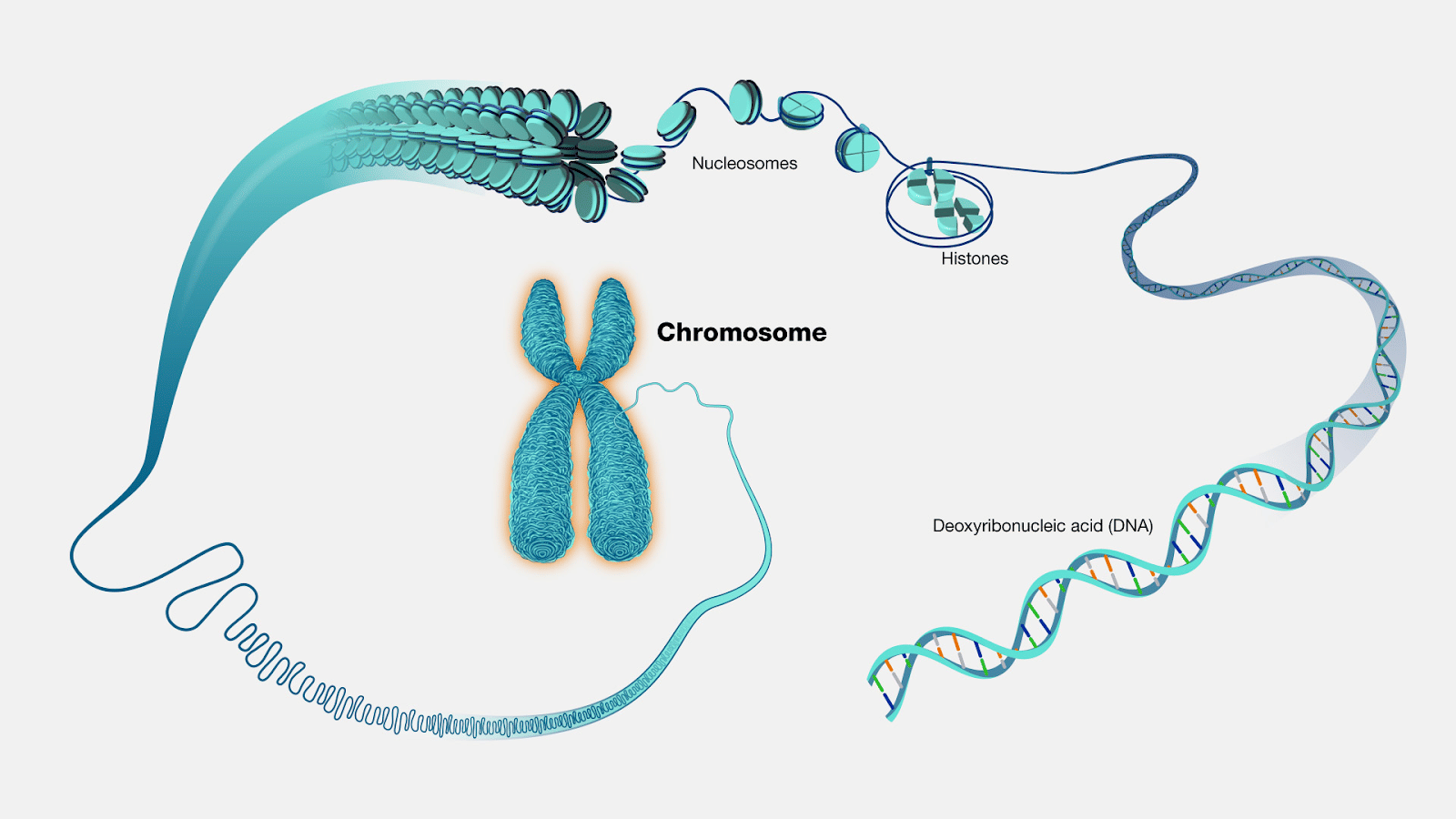
What is DNA?
- Definition: Deoxyribonucleic acid (DNA) is the molecule that encodes the genetic blueprint for an organism's growth and reproduction.
- Structure: DNA’s double-helix structure comprises four bases—adenine (A), thymine (T), cytosine (C), and guanine (G).
What are Chromosomes?
- Definition: Chromosomes are threadlike structures of DNA and proteins in a cell’s nucleus.
- Human Chromosomes: Humans have 23 pairs of chromosomes (22 autosomes and one pair of sex chromosomes).
Key Takeaways
- EcDNA challenges traditional genetic principles and plays a pivotal role in cancer progression.
- New drugs targeting ecDNA vulnerabilities, like CHK1 inhibitors, show promise for treating aggressive cancers.
- These discoveries could transform oncology, offering hope for cancers resistant to current therapies.
Download the PREPP App and attempt FREE IAS Exam Mock Tests and get complete study material!

Live Test : UPSC CSE Prelims CSAT (Paper-II) (Oct 08 - 11)
Full Test - 04: UPSC CSE Prelims CSAT (Paper-II)
Full Test - 03: UPSC CSE Prelims CSAT (Paper-II)
UPSC CSE Prelims 2026 GS Paper 1 Question Paper (24-May-2026)
UPSC CSE Prelims 2026 CSAT Paper 2 Question Paper (24-May-2026)

17 February 2025 | The Hindu Must Read Articles | Current Affairs

16 February 2026 | The Hindu Must Read Articles | Current Affairs

13 February 2026 | The Hindu Must Read Articles | Current Affairs









Comments