Ethanol and Its Environmental Impact: Benefits, Challenges, and Sustainable Solutions
Why in the News?
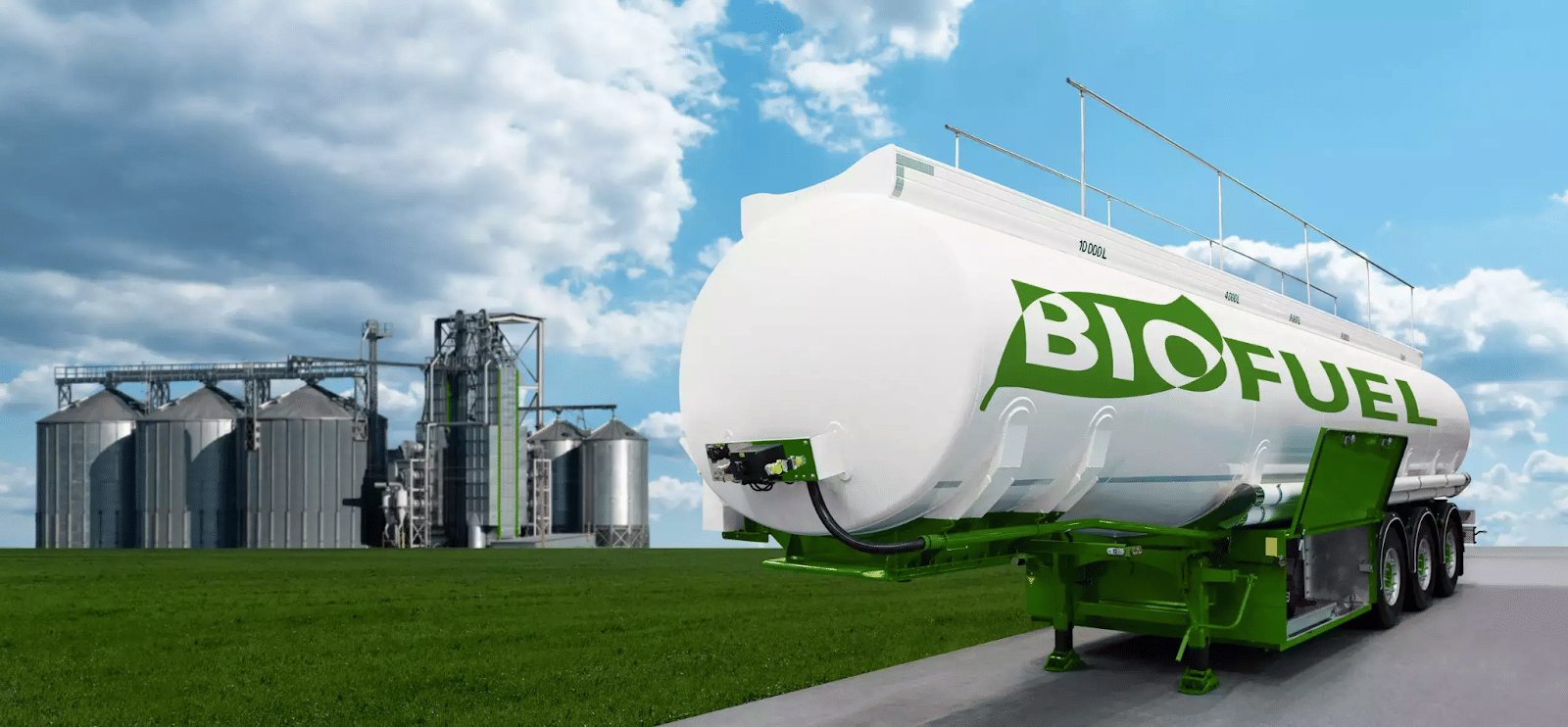
Concerns persist over the Ethanol Blended Petrol (EBP) Programme, as scientists and farmers from Andhra Pradesh warn of water depletion and industrial pollution. While ethanol is promoted as a sustainable biofuel, its large-scale production raises environmental challenges.
What is Ethanol?
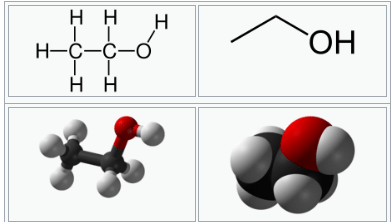
Ethanol, also known as ethyl alcohol (C2H5OH), is a volatile, flammable, and colorless liquid widely used as a biofuel and industrial solvent.
Composition and Properties
- Renewable: Made of carbon, hydrogen, and oxygen, ethanol is a renewable organic compound.
- Clean-Burning: Produces fewer greenhouse gases (GHGs) and pollutants than fossil fuels.
- Production: Derived from fermentation of sugar-rich crops like sugarcane and corn or through petrochemical processes like ethylene hydration.
Uses and Applications of Ethanol
1. Fuel and Energy
- Used as a biofuel blended with gasoline (E10, E20, E85) to reduce dependence on fossil fuels.
2. Industrial Solvent
- Found in paints, coatings, and personal care products due to its high solvency properties.
3. Pharmaceuticals and Healthcare
- Serves as an antiseptic, disinfectant, and solvent for medicines.
4. Food and Beverage Industry
- Key ingredient in alcoholic beverages and used in food flavorings and preservatives.
5. Chemical Feedstock
- Precursor for ethylene, acetic acid, and other industrial chemicals.
National Policy on Biofuels (2018) and Amendments
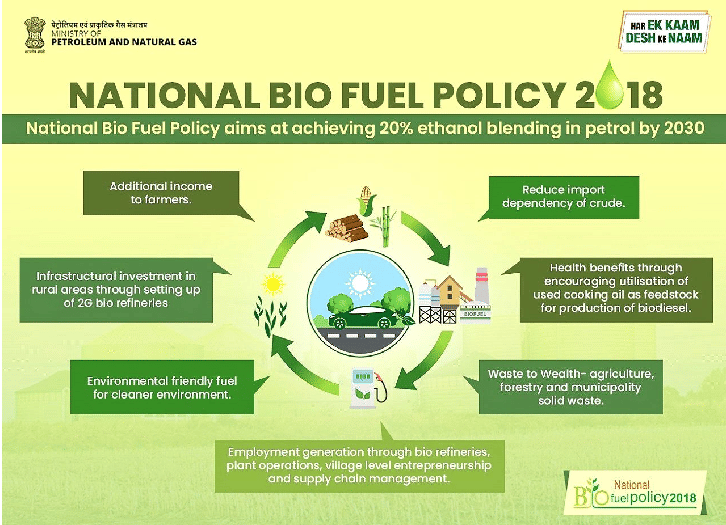
The National Policy on Biofuels, 2018, aims to promote ethanol production while addressing food security concerns.
Key Highlights:
- Biofuel Categorization: First-Generation (1G) bioethanol, Second-Generation (2G) ethanol, Third-Generation (3G) biofuels, and bio-CNG.
- Expanded Feedstock Scope: Includes sugarcane juice, sugar beet, corn, cassava, damaged food grains, and municipal solid waste.
- Thrust on Advanced Biofuels: Provides Rs. 5000 crore viability gap funding for 2G ethanol bio-refineries.
- Export Permitted: The government allows biofuel export in specific cases to support economic growth.
Government Initiatives Supporting Ethanol Production
1. Ethanol Blended Petrol (EBP) Programme
- Targets 20% ethanol blending by 2025-26.
2. Pradhan Mantri JI-VAN Yojana (2019)
- Encourages the establishment of 2G ethanol plants and supports R&D.
3. GOBAR-DHAN Scheme
- Converts cattle dung and agricultural waste into biogas and bio-CNG.
4. Repurpose Used Cooking Oil (RUCO)
- Converts used cooking oil into biodiesel to prevent unsafe reuse.
5. Subsidies and Incentives
- Financial support, soft loans, and subsidies for ethanol plants.
6. Relaxation in Environmental Clearances
- Simplified approval process for ethanol plants while maintaining environmental norms.
Environmental Impact of Ethanol
1. Reduction in Greenhouse Gas Emissions
- Ethanol releases less CO2 and carbon monoxide compared to gasoline.
2. Improved Air Quality
- Reduces toxic emissions, including benzene and fine particulate matter (PM2.5).
3. Biodegradability and Lower Toxicity
- Ethanol is water-soluble and degrades quickly, reducing environmental risks.
- Replaces toxic fuel additives like MTBE and lead.
Concerns and Challenges
1. High Water Consumption
- Ethanol production requires 8-12 liters of water per liter of ethanol, leading to water depletion.
2. Soil Degradation
- Large-scale ethanol farming causes deforestation, soil erosion, and nutrient depletion.
3. Air and Water Pollution
- Ethanol plants release hazardous chemicals like acetaldehyde and formaldehyde.
4. Food Security Issues
- Using food crops like corn and sugarcane for ethanol may increase food prices and shortages.
5. Infrastructure and Economic Viability
- Limited blending and distribution infrastructure.
- Fluctuating global crude oil prices impact ethanol’s economic feasibility.
Way Forward: Sustainable Ethanol Production
1. Sustainable Water Management
- Adopting water recycling and wastewater treatment technologies.
2. Shift to Second-Generation (2G) Biofuels
- Using agricultural waste and residues to reduce food security concerns.
3. Stronger Regulatory Oversight
- Implementing strict pollution control measures with third-party monitoring.
4. Diversification of Feedstock
- Encouraging non-food crops like algae, sorghum, and cellulose-based biofuels.
5. Public Awareness and Stakeholder Engagement
- Educating farmers, industries, and consumers on ethanol’s benefits and risks.
Conclusion
Ethanol offers a cleaner alternative to fossil fuels, but its production poses environmental challenges like water depletion, pollution, and food security concerns. A balanced approach, incorporating advanced biofuels, regulatory measures, and sustainable farming practices, is essential for minimizing its environmental impact while maximizing its benefits.
Download the PREPP App and attempt FREE IAS Exam Mock Tests and get complete study material!

Live Test : UPSC CSE Prelims CSAT (Paper-II) (Oct 08 - 11)
Full Test - 04: UPSC CSE Prelims CSAT (Paper-II)
Full Test - 03: UPSC CSE Prelims CSAT (Paper-II)
UPSC CSE Prelims 2026 GS Paper 1 Question Paper (24-May-2026)
UPSC CSE Prelims 2026 CSAT Paper 2 Question Paper (24-May-2026)

17 February 2025 | The Hindu Must Read Articles | Current Affairs

16 February 2026 | The Hindu Must Read Articles | Current Affairs

13 February 2026 | The Hindu Must Read Articles | Current Affairs









Comments