Ebola Virus: Key Facts and Information
Recent Concerns:
- The International Committee of the Red Cross (ICRC) has expressed concerns about the risk of power cuts in a laboratory at the national biomedical research institute, which could potentially jeopardize efforts to combat the virus.
About Ebola Virus
- Cause: Ebola is caused by orthoebolaviruses (formerly ebolavirus), first identified in 1976 near the Ebola River in the Democratic Republic of the Congo.
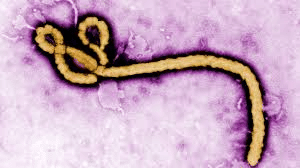
- Host: The natural hosts of the Ebola virus are fruit bats from the Pteropodidae family.
- Transmission:
- Ebola is introduced to humans through close contact with the blood, bodily fluids, or organs of infected animals (e.g., fruit bats, monkeys, gorillas).
- It spreads human-to-human through direct contact with bodily fluids of an infected person, including those of the deceased.
- Symptoms:
- Symptoms typically appear 2 to 21 days after exposure.
- Symptoms include fever, diarrhea, vomiting, bleeding, and organ failure.
- The average fatality rate is approximately 50%.
- Treatment:
- No known cure for Ebola. Experimental treatments are being tested, including FDA-approved monoclonal antibodies (Inmazeb and Ebanga) for the Ebola Zaire strain.
- Supportive care includes maintaining fluid and electrolyte balance, as well as blood and plasma transfusions to manage bleeding.
- Recovery: Recovery largely depends on early treatment, virus exposure levels, and the individual's immune response.
Download the PREPP App and attempt FREE IAS Exam Mock Tests and get complete study material!
*The article might have information for the previous academic years, please refer the official website of the exam.
How likely are you to recommend Prepp.in to a friend or a colleague?
Not so likely
Highly likely
UPSC CSE (IAS) 2027 Prelims Mock Test Series
Live Quizzes
Quizzes
Live Tests

• Live
Live Test : UPSC CSE Prelims CSAT (Paper-II) (Oct 08 - 11)
120 Minutes
80 Questions
200 Marks
English, Hindi
MEDIUM
Test will end in 05:30:46
Full Tests
Full Test - 04: UPSC CSE Prelims CSAT (Paper-II)
120 Minutes
80 Questions
200 Marks
English, Hindi
MEDIUM
Attempted by 19 aspirants in 12 hours
Full Test - 03: UPSC CSE Prelims CSAT (Paper-II)
120 Minutes
80 Questions
200 Marks
English, Hindi
MEDIUM
Attempted by 20 aspirants in 12 hours
Previous Year Papers
UPSC CSE Prelims 2026 GS Paper 1 Question Paper (24-May-2026)
120 Minutes
100 Questions
200 Marks
2,989 Attempted
English, Hindi
MEDIUM
Attempted by 12 aspirants in 12 hours
UPSC CSE Prelims 2026 CSAT Paper 2 Question Paper (24-May-2026)
120 Minutes
80 Questions
200 Marks
3,167 Attempted
English, Hindi
MEDIUM
Attempted by 13 aspirants in 12 hours
Videos

17 February 2025 | The Hindu Must Read Articles | Current Affairs
7,202 Views
•4
•7 months ago

16 February 2026 | The Hindu Must Read Articles | Current Affairs
6,962 Views
•4
•7 months ago

13 February 2026 | The Hindu Must Read Articles | Current Affairs
8,765 Views
•5
•7 months ago

12 February 2026 | The Hindu Must Read Articles | Current Affairs
5,788 Views
•4
•7 months ago






Also Check
IAS Exam Overview
IAS Exam Admit Card
IAS Exam Question Paper 2026
IAS Exam Mains Syllabus
IAS Exam Application Process
IAS Exam Eligibility
IAS Exam Result
IAS Exam Exam Pattern
IAS Exam CSAT Syllabus
IAS Exam Answer Key
IAS Exam Previous Year Paper
IAS Exam Current Affairs
IAS Exam Mains Question Paper
IAS Exam IAS Courses
IAS Exam UPSC Study Notes
IAS Exam Foundation Course 2024
IAS Exam Prelims Question Paper
IAS Exam Exam Center
IAS Exam Foundation Course 2025
IAS Exam Notification 2026
IAS Exam IAS Success Stories
IAS Exam Salary
IAS Exam Cutoff
IAS Exam Mock Tests
IAS Exam News


Comments