Dulcibella camanchaca: A New Predatory Amphipod Discovered in the Atacama Trench
Why in the News?
Dulcibella camanchaca, a fascinating new species of predatory amphipod, has been discovered in the depths of the Atacama Trench during the Integrated Deep-Ocean Observing System (IDOOS) Expedition. This unique species sheds light on the mysteries of life in the hadal zone, one of the least explored regions of our planet.
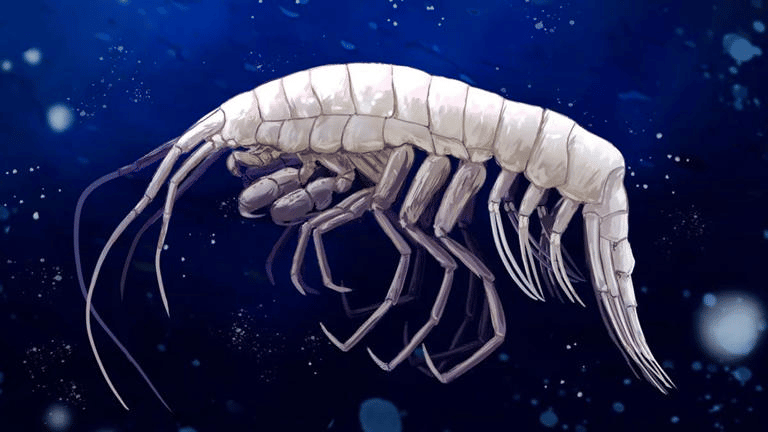
Key Facts About Dulcibella camanchaca
Name and Origins
- Scientific Name: Dulcibella camanchaca
- Genus Name: Inspired by Dulcinea del Toboso, a character in the classic novel Don Quixote.
- Species Name: "Camanchaca" translates to "darkness" in indigenous languages of the Andes, symbolizing its deep-sea habitat.
Habitat and Distribution
- Depth: Found at an incredible depth of 7,902 meters below the ocean surface.
- Location: Resides in the Atacama Trench, also known as the Peru-Chile Trench, a remote and isolated feature of the eastern South Pacific Ocean. This trench is among the deepest points on Earth.
Unique Characteristics of Dulcibella camanchaca
Physical Appearance
- Size: Measuring under 4 centimeters, it is relatively large for a deep-sea amphipod.
- Coloration: Pale and translucent, an adaptation to blend into the pitch-black environment of the hadal zone.
Behavior and Adaptations
- Diet: Unlike most amphipods that scavenge, Dulcibella camanchaca is a predatory species. It actively hunts smaller organisms, including other amphipods, using specialized raptorial appendages (gnathopods).
- Movement: Known for its speed, this species has evolved exceptional swimming capabilities to survive in extreme deep-sea conditions.
Conservation Concerns
The discovery of Dulcibella camanchaca highlights the ecological significance of the Atacama Trench. However, this remote habitat is increasingly threatened by human activities:
- Deep-Sea Mining: Potential resource extraction poses a direct threat to the fragile deep-sea ecosystem.
- Pollution: Microplastics and chemical pollutants are reaching even the most isolated ocean depths.
- Climate Change: Rising ocean temperatures and changes in oxygen levels could disrupt life in these extreme environments.
Importance of Protecting the Atacama Trench
The Atacama Trench’s unique biodiversity underscores the need for stringent conservation measures. Continued exploration and research are essential to understanding and safeguarding these remote ecosystems.
Download the PREPP App and attempt FREE IAS Exam Mock Tests and get complete study material!

Live Test : UPSC CSE Prelims CSAT (Paper-II) (Oct 08 - 11)
Full Test - 04: UPSC CSE Prelims CSAT (Paper-II)
Full Test - 03: UPSC CSE Prelims CSAT (Paper-II)
UPSC CSE Prelims 2026 GS Paper 1 Question Paper (24-May-2026)
UPSC CSE Prelims 2026 CSAT Paper 2 Question Paper (24-May-2026)

17 February 2025 | The Hindu Must Read Articles | Current Affairs

16 February 2026 | The Hindu Must Read Articles | Current Affairs

13 February 2026 | The Hindu Must Read Articles | Current Affairs









Comments