Draft National Policy Framework on Agricultural Marketing (NPFAM): Implications and Reactions
Why in the News?
The Samyukt Kisan Morcha (SKM) has voiced strong opposition to the Draft National Policy Framework on Agricultural Marketing (NPFAM), labeling it more detrimental than the repealed farm laws of 2021.
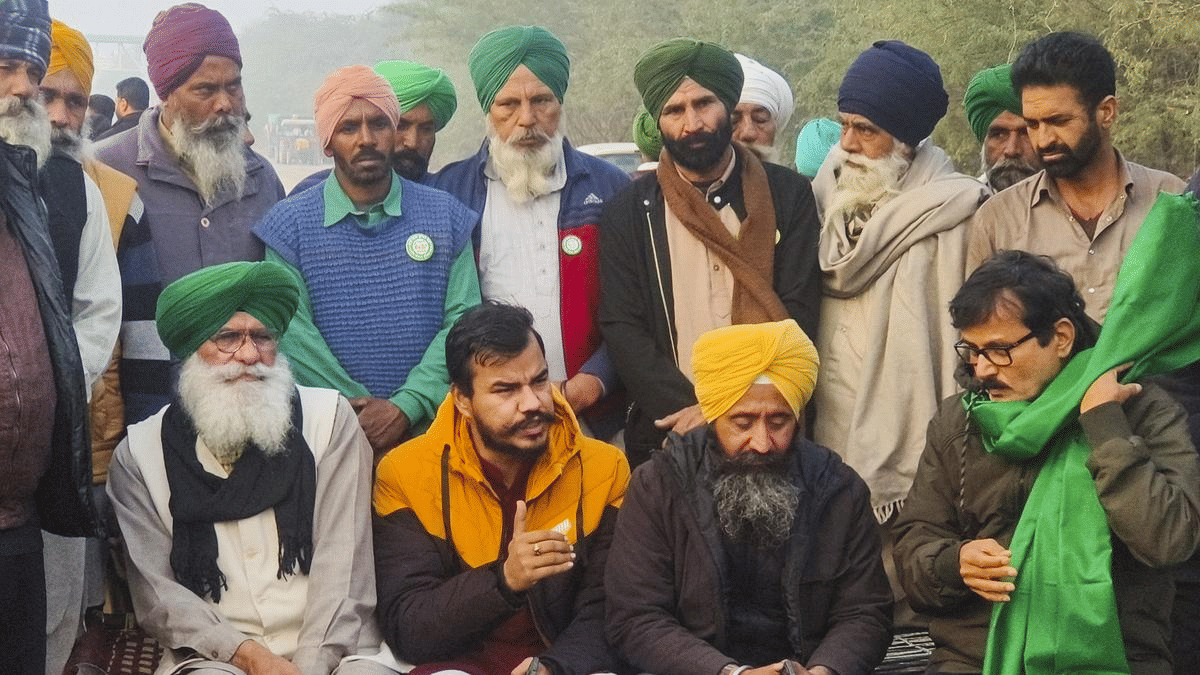
SKM's Criticisms of the NPFAM
- Planned Protests: SKM, a coalition of 500 farmer organizations, has announced Kisan Mahapanchayats in Haryana and Punjab to pass resolutions against the NPFAM and initiate nationwide protests.
- State Rights Erosion: The policy allegedly undermines state autonomy, with no guarantees for Minimum Support Prices (MSPs) or minimum wages for agricultural laborers.
- Corporate Control: Farmers fear the framework prioritizes corporate interests, fostering unregulated markets and contract farming at the expense of small-scale producers.
What is the Draft NPFAM?
The Draft National Policy Framework on Agricultural Marketing (NPFAM) aims to revolutionize Indian agriculture by integrating production and marketing processes to create a unified national market. It leverages cutting-edge technologies like blockchain, AI, and digital public infrastructure.
Key Objectives:
- Ensure competitive markets for farmers.
- Transform agriculture into a value-chain-driven system.
- Enhance digital automation in agricultural transactions.
Core Provisions of NPFAM
1. Empowered Agricultural Marketing Reform Committee
- Chaired by a state Agriculture Minister on a rotational basis, similar to the GST Council.
- Facilitates implementation of a unified licensing system and market fee structure.
- Resolves interstate marketing challenges.
2. Improved Farmer-Market Linkages
- Designating warehouses and cold storages as sub-market yards, expanding the reach of e-NAM (National Agriculture Market).
- Direct connections for farmers with processors, exporters, and private markets to minimize intermediaries.
3. APMC Reforms
- Transitioning Agricultural Produce Market Committees (APMCs) from regulatory bodies to service-oriented entities.
- Promoting allied activities like food processing and curbing exorbitant fees.
4. Strengthening Supply Chain Infrastructure
- Encouraging private sector participation in building robust supply chains.
- Leveraging technologies like AI and blockchain for traceability and efficiency.
5. Price Insurance Scheme
- Similar to Pradhan Mantri Fasal Bima Yojana (PMFBY), this scheme stabilizes farmer incomes and shields them from price crashes.
6. Ease of Doing Agri-Trade
- Digital licensing systems for traders and stakeholders to simplify processes.
- Automation of mandi operations for seamless transactions.
Major Concerns About NPFAM
- MSP Neglect: Critics argue the policy doesn't guarantee legally-backed Minimum Support Prices.
- Corporate Favoritism: The emphasis on private markets may marginalize small farmers.
- Federalism at Risk: Centralized control over agricultural markets undermines state rights.
- Exclusion of Small Farmers: Small-scale producers risk being sidelined.
- Inadequate Safety Nets: Absence of price insurance or profit-sharing mandates for traders.
Government's Vision Behind NPFAM
- Income Growth: Integration of advanced technologies to boost farmer incomes.
- Market Stability: Mechanisms to reduce price volatility and ensure stable access.
- Competitive Ecosystem: Encourages diversified marketing channels to foster fair competition.
- Stakeholder Collaboration: A reform committee of state ministers ensures inclusive decision-making.
Challenges in Agricultural Marketing
- Fragmented Supply Chains: Inefficiencies due to multiple intermediaries.
- Inadequate Infrastructure: Poor storage and cold chain facilities result in high post-harvest losses.
- Limited Market Access: Small farmers struggle with digital platforms like e-NAM due to connectivity and literacy gaps.
- Price Volatility: Frequent market fluctuations destabilize farmer incomes.
- Lack of Credit: Limited access to affordable loans hampers input procurement and storage.
The Way Forward
- MSP Reforms: Introduce legally backed MSP guarantees and integrate MSP compliance with e-NAM.
- Infrastructure Upgrades: Build integrated storage and cold chain facilities to reduce waste.
- Empowering FPOs: Support Farmer Producer Organizations with training, policy assistance, and financial aid.
- Digital Inclusion: Invest in rural internet connectivity to ensure equitable access to digital platforms.
- Diversification: Encourage high-value crops and agro-tourism to enhance farmer incomes.
- Policy Collaboration: Involve farmers, traders, and state governments in policymaking.
Conclusion
While the Draft NPFAM presents ambitious reforms aimed at modernizing Indian agriculture, its lack of focus on farmer safety nets, MSP guarantees, and state rights raises concerns. Policymakers must address these gaps to ensure equitable growth and protect small-scale farmers.
Download the PREPP App and attempt FREE IAS Exam Mock Tests and get complete study material!

Live Test : UPSC CSE Prelims CSAT (Paper-II) (Oct 08 - 11)
Full Test - 04: UPSC CSE Prelims CSAT (Paper-II)
Full Test - 03: UPSC CSE Prelims CSAT (Paper-II)
UPSC CSE Prelims 2026 GS Paper 1 Question Paper (24-May-2026)
UPSC CSE Prelims 2026 CSAT Paper 2 Question Paper (24-May-2026)

17 February 2025 | The Hindu Must Read Articles | Current Affairs

16 February 2026 | The Hindu Must Read Articles | Current Affairs

13 February 2026 | The Hindu Must Read Articles | Current Affairs









Comments