Diversion of Tea Garden Land for Tourism in Bengal: A Controversial Move
Why in the News?
The West Bengal government's decision to allow the diversion of 30% of tea garden land for commercial use has sparked widespread debate. Trade unions, political leaders, and indigenous communities have voiced concerns about the potential impact on the tea industry, employment, and the environment.
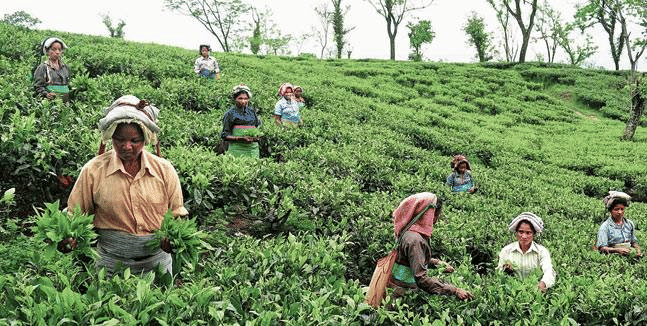
West Bengal's New Land Diversion Policy
Overview of the Policy
- The policy, announced at the Bengal Global Business Summit on February 5, allows tea garden owners to utilize 30% of their land for commercial purposes such as tourism and real estate development.
Implementation Criteria
- The policy applies specifically to land where tea plantations are not present.
- It aims to boost tourism and create economic opportunities in North Bengal.
Background: The 2019 Land Use Policy
- In 2019, the West Bengal government permitted tea garden owners to use 15% of their “unused” land for commercial development, primarily to promote tea tourism.
- This policy was designed to generate employment while ensuring that tea production remained unaffected.
Concerns and Criticism
Threat to Tea Industry and Employment
- Critics argue that diverting 30% of tea garden land for commercial use could severely impact tea production and threaten the industry's sustainability.
- North Bengal’s tea industry supports approximately 26.4 million workers across 377 estates, making it a vital economic sector.
- Trade unions warn that commercial projects, including tourism, may not generate as many jobs as tea plantations, potentially leading to widespread unemployment.
Displacement of Indigenous Communities
- Opposition leaders fear that this policy could displace indigenous communities who have lived and worked in these tea gardens for generations.
Allegations of Favoritism Towards Corporates
- Political leaders have raised concerns that the policy favors large corporate investors over the welfare of workers.
Environmental Concerns
- Environmentalists warn that commercial projects could disrupt the greenery and natural ecosystem of North Bengal’s hills, affecting biodiversity and the local climate.
Future Outlook
While the state government argues that the policy will boost tourism and create economic opportunities, it must address concerns related to job losses, worker displacement, and environmental degradation. A more balanced approach that ensures industrial development while protecting workers' rights and environmental sustainability is essential to prevent widespread backlash.
Download the PREPP App and attempt FREE IAS Exam Mock Tests and get complete study material!

Live Test : UPSC CSE Prelims CSAT (Paper-II) (Oct 08 - 11)
Full Test - 04: UPSC CSE Prelims CSAT (Paper-II)
Full Test - 03: UPSC CSE Prelims CSAT (Paper-II)
UPSC CSE Prelims 2026 GS Paper 1 Question Paper (24-May-2026)
UPSC CSE Prelims 2026 CSAT Paper 2 Question Paper (24-May-2026)

17 February 2025 | The Hindu Must Read Articles | Current Affairs

16 February 2026 | The Hindu Must Read Articles | Current Affairs

13 February 2026 | The Hindu Must Read Articles | Current Affairs









Comments