Cicada Emergence: A Rare Phenomenon in 1,547 Years
Why in the News?
Three groups of cicadas with different life cycles (13, 17, and 7 years) have emerged simultaneously, a rare event occurring once every 1,547 years.
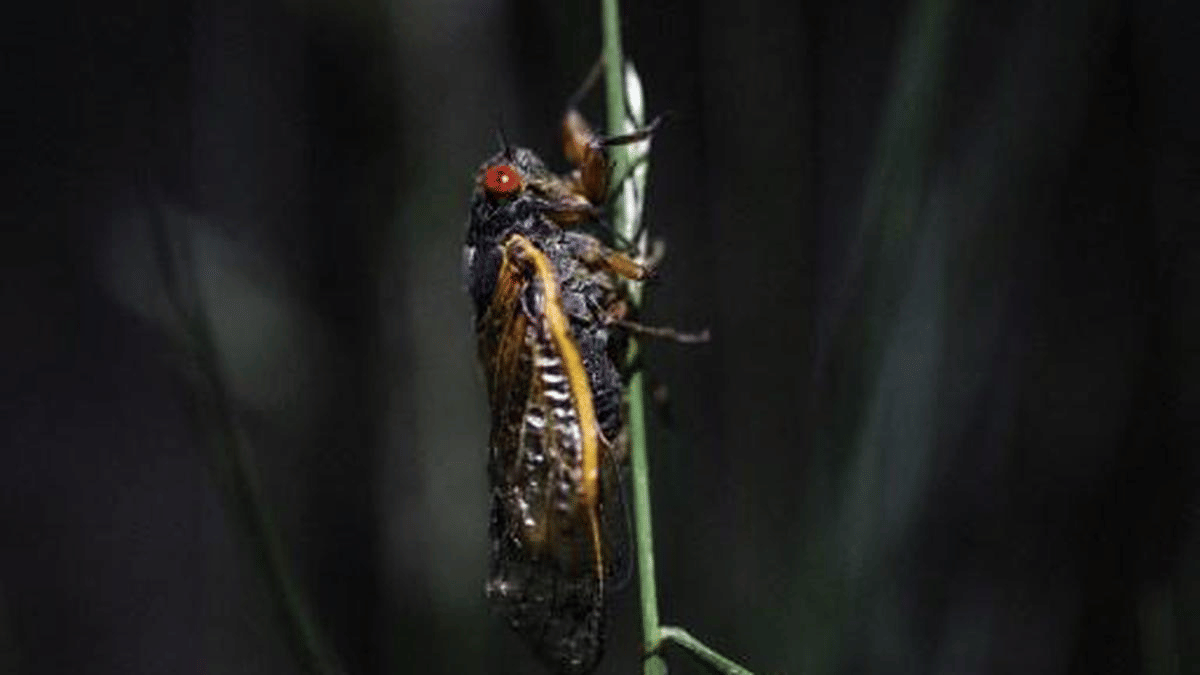
Details of the Cicada Emergence
- For the first time in over 200 years, two North American cicada broods—Brood XIX (a 13-year cycle species native to the southeastern USA) and Brood XIII (a 17-year cycle species from the Midwest USA)—emerged together. This extraordinary event coincided with the 7-year cycle of Australian greengrocer cicadas, a separate species from the other side of the globe.
- The alignment of these life cycles, driven by the prime-numbered intervals, is an exceedingly rare occurrence that has fascinated researchers. These overlapping emergences underline the complexity and wonder of nature's timing.
What Are Cicadas?
Cicadas belong to the superfamily Cicadoidea, within the order Hemiptera. These insects are renowned for their loud, rhythmic songs and intriguing life cycles.
Types of Cicadas
- Periodical Cicadas:
- Emerge in synchronized intervals of 13 or 17 years.
- Examples include species from the genus Magicicada.
- Annual Cicadas:
- Do not follow synchronized emergence patterns.
- Life cycles range from 1 to over 9 years.
Habitat and Distribution
Cicadas thrive in temperate to tropical climates and are commonly found in tree-dense forests. They spend the majority of their lives underground before emerging to reproduce in massive numbers.
Characteristics and Behavior
- Physical Features: Prominent wide-set eyes, short antennae, and translucent, membranous wings.
- Unique Songs: Male cicadas produce their iconic calls using specialized structures called tymbals, primarily during the day.
- Diet: Feed on xylem sap extracted from trees.
- Synchronized Emergence: Periodical cicadas spend most of their lives underground before surfacing en masse in highly timed cycles.
Why Are Cicada Life Cycles Prime-Numbered?
Scientists believe that the prime-numbered life cycles of cicadas help them evade predators. By emerging at irregular intervals (e.g., 13 or 17 years), they reduce the likelihood of overlapping with predator populations that might synchronize with their cycles.
Conclusion
This rare simultaneous emergence of cicadas highlights the incredible precision of nature's timing and the evolutionary marvel of these insects. Whether you're an entomologist or a curious observer, the phenomenon of synchronized cicada life cycles is a reminder of the intricate patterns that govern the natural world.
Download the PREPP App and attempt FREE IAS Exam Mock Tests and get complete study material!

Live Test : UPSC CSE Prelims CSAT (Paper-II) (Oct 08 - 11)
Full Test - 04: UPSC CSE Prelims CSAT (Paper-II)
Full Test - 03: UPSC CSE Prelims CSAT (Paper-II)
UPSC CSE Prelims 2026 GS Paper 1 Question Paper (24-May-2026)
UPSC CSE Prelims 2026 CSAT Paper 2 Question Paper (24-May-2026)

17 February 2025 | The Hindu Must Read Articles | Current Affairs

16 February 2026 | The Hindu Must Read Articles | Current Affairs

13 February 2026 | The Hindu Must Read Articles | Current Affairs









Comments