Chronic Pulmonary Aspergillosis: A Deadly Lung Infection
Why in the News?
A groundbreaking study by AIIMS researchers reveals that Chronic Pulmonary Aspergillosis (CPA), a severe fungal infection, is responsible for 340,000 deaths annually. This life-threatening condition often goes undiagnosed or misdiagnosed, leading to poor treatment outcomes.
Key Findings from the AIIMS Study
- Researchers analyzed data from 8,778 patients across five continents (excluding Antarctica).
- CPA proves fatal for 1 in 3 individuals with pre-existing lung diseases over a five-year period.
- 15% of CPA patients die within the first year, especially those with underlying lung conditions.
- Misdiagnosis as tuberculosis leads to improper treatment, worsening patient survival rates.
What is Chronic Pulmonary Aspergillosis (CPA)?
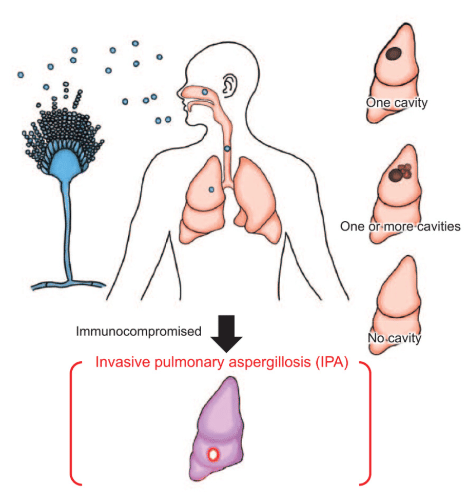
CPA is a chronic fungal infection caused by Aspergillus fumigatus, resulting in gradual scarring of the lungs. This condition often develops in people with compromised lung health.
Risk Factors for CPA
- Pre-existing lung diseases: Asthma, COPD, tuberculosis, sarcoidosis, cystic fibrosis.
- Higher risks for:
- Older adults
- Smokers
- Patients with interstitial lung disease or cancer
Types of CPA
- Chronic Cavitary Pulmonary Aspergillosis (CCPA)
- Simple Aspergilloma
- Chronic Fibrosing Pulmonary Aspergillosis (CFPA)
- Aspergillus Nodules
- Subacute Invasive Aspergillosis (SAIA)
Symptoms of CPA
CPA symptoms often persist for over three months, making early diagnosis critical.
- Persistent weight loss
- Fatigue and breathlessness
- Coughing up blood (haemoptysis) – observed in 50-90% of cases
How is CPA Diagnosed?
Proper diagnosis is essential for timely treatment. Common diagnostic methods include:
Thoracic Imaging
- Chest X-rays or CT scans to detect lung cavities, fungal balls, or nodules.
Laboratory Tests
- Aspergillus antibody tests: Positive in 90% of patients.
- Galactomannan assay: A reliable blood test for detecting Aspergillus.
- Sputum culture or biopsy: Confirms fungal growth or lung tissue invasion.
Treatment Options for CPA
Managing CPA requires a combination of antifungal therapy, surgical interventions, and ongoing care.
Antifungal Therapy
- Lifelong antifungal medications like itraconazole or voriconazole are vital.
- Regular blood monitoring ensures optimal dosing and reduces side effects.
Surgical Interventions
- Surgery is effective for simple aspergillomas, combined with antifungal treatment.
- Alternatives such as embolization or tranexamic acid help manage bleeding when surgery isn’t feasible.
Management of Complex Cases
- Advanced forms like CCPA or CFPA require regular imaging and continuous treatment to halt disease progression.
Conclusion
Chronic Pulmonary Aspergillosis (CPA) is a life-threatening condition, particularly for individuals with pre-existing lung diseases. Early diagnosis, proper antifungal therapy, and effective management can improve patient outcomes and reduce mortality. Raising awareness about CPA and addressing misdiagnoses, especially in regions with high tuberculosis prevalence, is essential.
Download the PREPP App and attempt FREE IAS Exam Mock Tests and get complete study material!

Live Test : UPSC CSE Prelims CSAT (Paper-II) (Oct 08 - 11)
Full Test - 04: UPSC CSE Prelims CSAT (Paper-II)
Full Test - 03: UPSC CSE Prelims CSAT (Paper-II)
UPSC CSE Prelims 2026 GS Paper 1 Question Paper (24-May-2026)
UPSC CSE Prelims 2026 CSAT Paper 2 Question Paper (24-May-2026)

17 February 2025 | The Hindu Must Read Articles | Current Affairs

16 February 2026 | The Hindu Must Read Articles | Current Affairs

13 February 2026 | The Hindu Must Read Articles | Current Affairs









Comments