Bharatiya Vayuyan Vidheyak 2024: Transforming India's Aviation Sector
Why in the News?
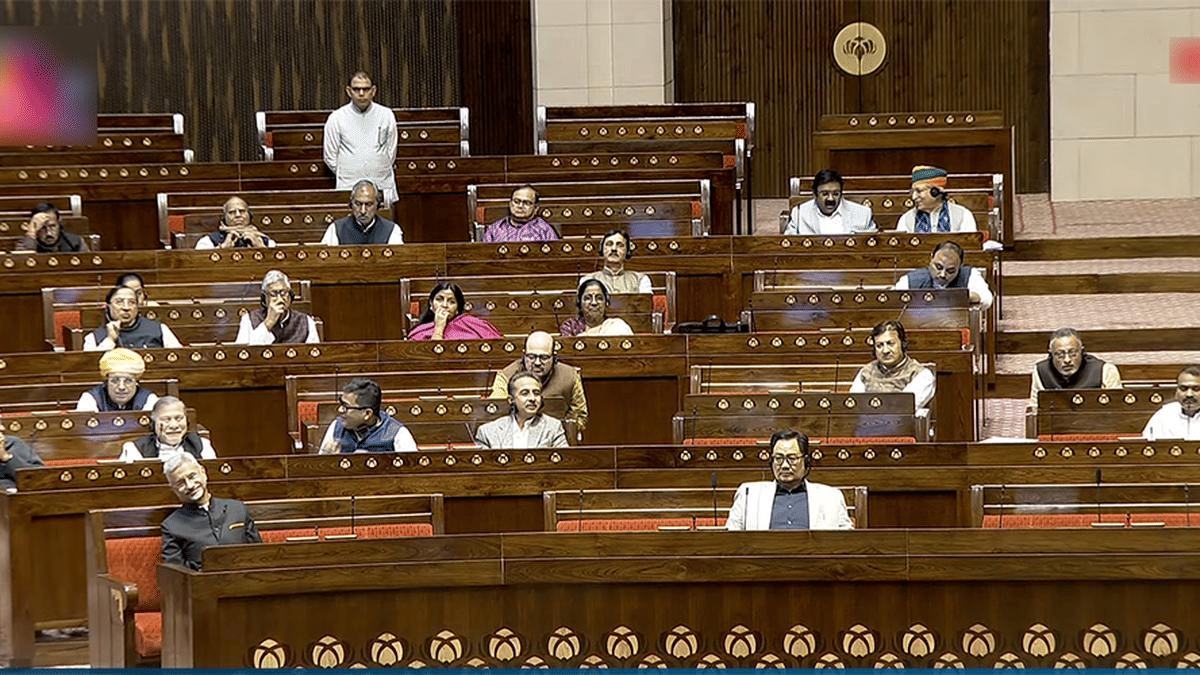
The Bharatiya Vayuyan Vidheyak 2024 has been passed by the Indian Parliament, marking a significant step toward modernizing the country’s aviation laws. This landmark legislation replaces the nearly century-old Aircraft Act of 1934, bringing India’s aviation framework in line with contemporary needs.
Overview of Bharatiya Vayuyan Vidheyak 2024
Modernizing Aviation Law
The new bill addresses the challenges of India’s rapidly growing aviation sector by replacing outdated laws with modern regulations, while retaining the core regulatory structure of the original Aircraft Act, 1934.
Expanded Scope of Regulation
The legislation comprehensively governs aspects such as:
- Aircraft design, manufacturing, and operation.
- Aviation safety and security protocols.
- Licensing and certification of aviation personnel.
Key Changes Introduced in Bharatiya Vayuyan Vidheyak 2024
Centralized Licensing Under DGCA
- The Directorate General of Civil Aviation (DGCA) now manages licenses previously issued by the Department of Telecommunications (DoT), including the Radio Telephone Operator Restricted certificate and licenses for pilots and aircraft maintenance engineers.
- This move introduces a single-window process for aviation certifications, reducing bureaucratic hurdles.
Regulation of Aircraft Design
- The government now holds the authority to regulate the design of aircraft, in addition to overseeing manufacturing, maintenance, and operation standards.
Enhanced Penalties
- Stricter penalties include fines of up to ₹1 crore and imprisonment for offenses such as unsafe flying practices and carrying prohibited items like explosives.
Provisions of the Bharatiya Vayuyan Vidheyak 2024
Central Government Powers
- Rule-Making Authority: Empowered to create regulations for all aspects of aircraft operations, safety, and design.
- Emergency Powers: Authorized to act swiftly during emergencies to ensure public safety.
- Regulatory Actions: Authority to suspend, cancel, or restrict licenses with a fair hearing and appeals mechanism.
Revised Definitions and Penalties
- Balloons and gliders have been removed from the legal definition of aircraft.
- Imprisonment, fines, or penalties are defined for rule violations.
Appeals Mechanism
A two-tier appellate system has been introduced for challenging penalties and regulatory decisions, improving procedural fairness.
Strengthening Regulatory Authorities
Directorate General of Civil Aviation (DGCA)
- Increased Authority: Greater powers to ensure compliance and aviation safety.
- Enhanced Oversight: Improved monitoring of aviation operations across India.
Bureau of Civil Aviation Security (BCAS)
- Upgraded Security Measures: Strengthened capabilities to tackle emerging aviation security threats.
- Enhanced Standards: Focus on maintaining top-tier aviation security benchmarks.
Aircraft Accidents Investigation Bureau (AAIB)
- Improved Investigative Powers: Enhanced ability to analyze accidents and recommend preventive measures.
- Safety Focus: Strengthening safety protocols through detailed investigations.
Major Challenges in Implementation
- Lack of Independent Regulation:
Unlike independent regulators in telecom and electricity sectors, the DGCA remains under government control, raising concerns about bureaucratic influence.
- Undefined Leadership Qualifications:
The Bill lacks clarity on the qualifications or tenure for the DGCA’s Director General, leaving room for political discretion.
- Unilateral Arbitrator Appointment:
Compensation disputes will be settled by government-appointed arbitrators, deviating from established norms under the Arbitration and Conciliation Act, 1996.
- Delegation of Criminal Penalties:
Allowing the government to define criminal penalties through rules raises separation-of-power concerns.
Future Outlook for Indian Aviation
1. Strengthening Regulatory Independence
Establishing the DGCA as an independent authority could enhance its credibility and reduce bureaucratic interference.
2. Promoting Transparency
Streamlined licensing processes under the DGCA can boost transparency, provided strong anti-corruption mechanisms are implemented.
3. Aligning with Global Standards
With provisions for aircraft design regulation and centralized certifications, India is poised to strengthen its position in global aviation markets.
Download the PREPP App and attempt FREE IAS Exam Mock Tests and get complete study material!

Live Test : UPSC CSE Prelims CSAT (Paper-II) (Oct 08 - 11)
Full Test - 04: UPSC CSE Prelims CSAT (Paper-II)
Full Test - 03: UPSC CSE Prelims CSAT (Paper-II)
UPSC CSE Prelims 2026 GS Paper 1 Question Paper (24-May-2026)
UPSC CSE Prelims 2026 CSAT Paper 2 Question Paper (24-May-2026)

17 February 2025 | The Hindu Must Read Articles | Current Affairs

16 February 2026 | The Hindu Must Read Articles | Current Affairs

13 February 2026 | The Hindu Must Read Articles | Current Affairs









Comments