BANK DERIVATIVES: RBI’s Comprehensive Review of Banking Sector Derivative Books
Why in the News?
The Reserve Bank of India (RBI) has initiated a comprehensive review of derivative books in both private and public sector banks. This move is crucial in ensuring compliance, risk mitigation, and regulatory oversight in India's financial system.
Key Highlights of the Review
Why is the RBI Reviewing Bank Derivatives?
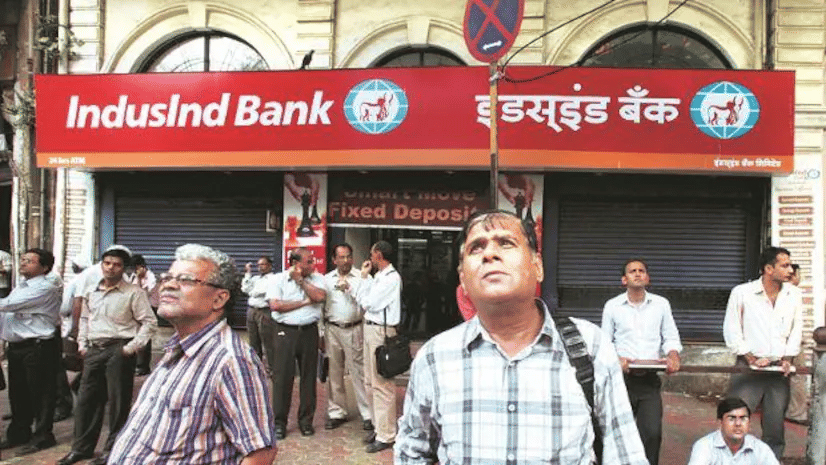
- The review follows discrepancies in IndusInd Bank’s forex derivative accounting, which caused significant financial impact.
Focus Areas of RBI’s Investigation
- Hedging Positions: Analyzing how banks hedge their financial risks.
- Regulatory Compliance: Ensuring banks adhere to latest RBI derivative trading rules.
- Risk Management: Strengthening risk assessment frameworks within banks.
Market Impact of the Review
- IndusInd Bank Stock Drop: The bank’s stock declined by over 27% in a single day due to investor concerns.
- Bank’s Response: IndusInd Bank has appointed an external agency to investigate accounting discrepancies and assess financial impact.
Understanding Derivatives in Banking
What Are Derivatives?
- Derivatives are financial instruments whose value is derived from an underlying asset, such as stocks, bonds, commodities, or currencies.
Why Do Banks Use Derivatives?
- Risk Management Tool: Banks use derivatives to hedge against market fluctuations, including price, interest rate, and currency exchange risks.
Types of Derivatives in Banking
- Forwards: Customized agreements to buy or sell assets at a future date for a predetermined price.
- Futures: Standardized exchange-traded contracts obligating parties to buy or sell assets at a specified future date.
- Options: Contracts giving the buyer the right but not the obligation to buy or sell assets at a set price before a specified date.
- Swaps: Agreements to exchange financial instruments or cash flows over time, commonly used for interest rate or currency hedging.
Role of Banks in Derivative Markets
How Banks Engage in Derivatives?
- Intermediaries: Banks act as middlemen in Over-the-Counter (OTC) derivative markets, earning commission fees.
- Direct Participants: Banks use derivatives to manage their own financial risks, such as interest rate or currency exchange fluctuations.
Purpose of Derivative Trading in Banks
- Hedging Risks: Minimizing risks associated with market volatility to ensure financial stability.
- Earning Premiums: Banks sell derivatives like options and swaps to earn premiums while assuming calculated financial risks.
Regulatory Challenges and RBI Oversight
Challenges Banks Face in Derivative Markets
- Capital Adequacy Rules: Banks must maintain sufficient capital reserves to cover potential derivative losses.
- Risk of Financial Crises: Poor risk management in derivatives contributed to the 2008 global financial crisis, prompting stricter regulations.
RBI’s Role in Strengthening Compliance
- The RBI’s ongoing review aims to tighten regulatory oversight, ensuring banks follow risk management protocols and preventing financial discrepancies.
Conclusion
The RBI’s scrutiny of banking sector derivatives is a proactive step toward enhancing financial transparency and risk management. With tighter regulations and improved oversight, India’s banking sector can navigate derivative markets more securely, safeguarding both investors and institutions.
Download the PREPP App and attempt FREE IAS Exam Mock Tests and get complete study material!
*The article might have information for the previous academic years, please refer the official website of the exam.
How likely are you to recommend Prepp.in to a friend or a colleague?
Not so likely
Highly likely
UPSC CSE (IAS) 2027 Prelims Mock Test Series
Live Quizzes
Quizzes
Live Tests

• Live
Live Test : UPSC CSE Prelims CSAT (Paper-II) (Oct 08 - 11)
120 Minutes
80 Questions
200 Marks
English, Hindi
MEDIUM
Test will end in 05:29:22
Full Tests
Full Test - 04: UPSC CSE Prelims CSAT (Paper-II)
120 Minutes
80 Questions
200 Marks
English, Hindi
MEDIUM
Attempted by 19 aspirants in 12 hours
Full Test - 03: UPSC CSE Prelims CSAT (Paper-II)
120 Minutes
80 Questions
200 Marks
English, Hindi
MEDIUM
Attempted by 20 aspirants in 12 hours
Previous Year Papers
UPSC CSE Prelims 2026 GS Paper 1 Question Paper (24-May-2026)
120 Minutes
100 Questions
200 Marks
2,989 Attempted
English, Hindi
MEDIUM
Attempted by 12 aspirants in 12 hours
UPSC CSE Prelims 2026 CSAT Paper 2 Question Paper (24-May-2026)
120 Minutes
80 Questions
200 Marks
3,167 Attempted
English, Hindi
MEDIUM
Attempted by 13 aspirants in 12 hours
Videos

17 February 2025 | The Hindu Must Read Articles | Current Affairs
7,202 Views
•4
•7 months ago

16 February 2026 | The Hindu Must Read Articles | Current Affairs
6,962 Views
•4
•7 months ago

13 February 2026 | The Hindu Must Read Articles | Current Affairs
8,765 Views
•5
•7 months ago

12 February 2026 | The Hindu Must Read Articles | Current Affairs
5,788 Views
•4
•7 months ago






Also Check
IAS Exam Overview
IAS Exam Admit Card
IAS Exam Question Paper 2026
IAS Exam Mains Syllabus
IAS Exam Application Process
IAS Exam Eligibility
IAS Exam Result
IAS Exam Exam Pattern
IAS Exam CSAT Syllabus
IAS Exam Answer Key
IAS Exam Previous Year Paper
IAS Exam Current Affairs
IAS Exam Mains Question Paper
IAS Exam IAS Courses
IAS Exam UPSC Study Notes
IAS Exam Foundation Course 2024
IAS Exam Prelims Question Paper
IAS Exam Exam Center
IAS Exam Foundation Course 2025
IAS Exam Notification 2026
IAS Exam IAS Success Stories
IAS Exam Salary
IAS Exam Cutoff
IAS Exam Mock Tests
IAS Exam News


Comments