
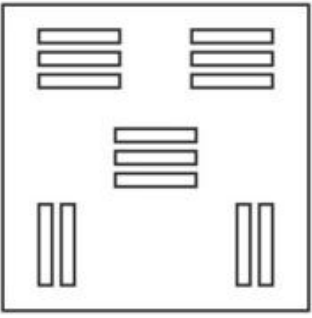
Figure Patterns Analyzed
The objective is to identify the single figure that is distinct from the others based on visual characteristics.
Each provided option contains a square divided into four equal smaller squares. A pattern of shading is applied to diagonally opposite pairs of these smaller squares.
Diagonal Shading Compared
Let's analyze the shading pattern in each figure:
- Figure 1: The top-left and bottom-right squares are shaded. This corresponds to shading along the main diagonal.
- Figure 2: The top-right and bottom-left squares are shaded. This corresponds to shading along the anti-diagonal.
- Figure 3: The top-left and bottom-right squares are shaded. This is the same pattern as Figure 1 (Main Diagonal).
- Figure 4: The top-right and bottom-left squares are shaded. This is the same pattern as Figure 2 (Anti-Diagonal).
Unique Figure Identified
Figure 1 exhibits the main diagonal shading pattern, where the top-left and bottom-right squares are shaded.
This specific configuration distinguishes Figure 1 from the others, which either follow the same main diagonal pattern (Figure 3) or utilize the anti-diagonal pattern (Figures 2 and 4).
Similar Questions
If three groups could be formed using the given figures only once, these groups would be
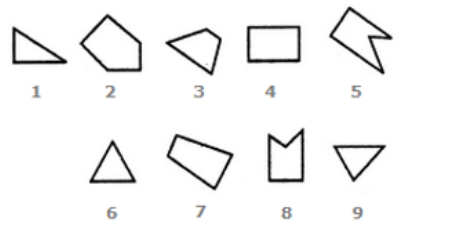
Choose the figure that is different from the rest.
Choose the figure that is different from the rest.
Choose the figure which is different from the rest.
Choose the figure which is different from the rest.
- Choose the figure that is different from the rest.
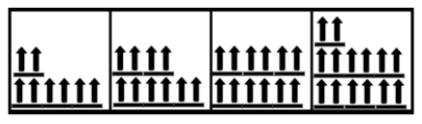
The above figures are arranged in some order. The next figure that follows the same order is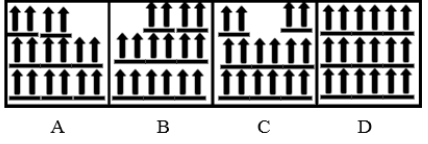
Select the option that will correctly fit in the blank space in the given figure series.

Important Questions from Non verbal Reasoning
If three groups could be formed using the given figures only once, these groups would be
Choose the figure that is different from the rest.
Choose the figure that is different from the rest.
Choose the figure which is different from the rest.
Choose the figure which is different from the rest.



