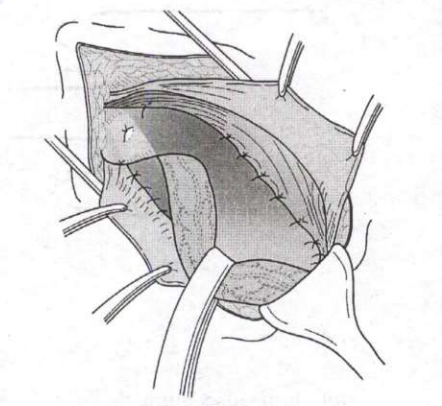
Astrocytomas are associated with all of the following syndromes, except
neurofibromatosis type 2
The exception is neurofibromatosis type 2 (NF2). NF2 results from mutation of the NF2 (merlin/schwannomin) gene on chromosome 22q12 and is characterised by bilateral vestibular schwannomas, along with meningiomas, other cranial and spinal schwannomas, ependymomas and juvenile posterior subcapsular cataract. Astrocytic tumours are not part of its classical spectrum.
The other three are genuinely astrocytoma-associated. Neurofibromatosis type 1 (neurofibromin, chromosome 17q11) classically causes optic pathway gliomas and brainstem pilocytic astrocytomas, with cafe-au-lait macules, Lisch nodules, axillary freckling and neurofibromas. Li-Fraumeni syndrome (germline TP53) predisposes to astrocytoma and glioblastoma besides sarcoma, breast and adrenocortical carcinoma. Cowden disease (germline PTEN) features the cerebellar dysplastic gangliocytoma of Lhermitte-Duclos disease with trichilemmomas and thyroid and breast tumours.
Key point: NF1 gives optic nerve gliomas; NF2 gives bilateral vestibular schwannomas and meningiomas - a favourite one-line discriminator.
Similar Questions
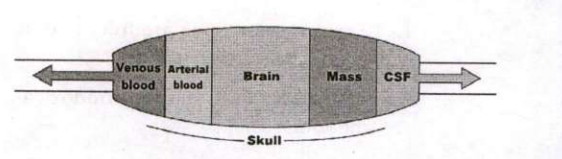
The principle of adaptation shown in the following diagram (depicting the skull containing venous blood, arterial blood, brain, mass, and CSF within a fixed volume) is explained by
Important Questions from Brain & Nervous System Surgery
- The term mid-line shift is associated with:
- In diffuse axonal injury all are true EXCEPT:
- A 70 years old man on anticoagulants due to some heart disease suffered a minor head injury. One month later he has severe headache with slowly developing neurological signs. The probable diagnosis is:
- A patient with suspected head injury is brought to the emergency following road traffic accident. At the time of examination, patient is conscious with GCS 14/15 and stable vitals. There is bleeding from right ear and CSF leak from nose. Bruising is present behind the right ear. The most probable clinical diagnosis in this patient is
- A comatose patient after sustaining severe head injury has been admitted in neurosurgical ICU. Which of the following parameters should ideally be maintained in this patient ?
1. pCO$_2$ = 4.5 – 5.0 kPa (33-38 mm Hg)
2. MAP = 80 – 90 mm of Hg
3. pO$_2$ > 11 kPa (> 80 mm Hg)
4. Na$^+$ < 130 meq/L
Select the correct answer using the code given below :