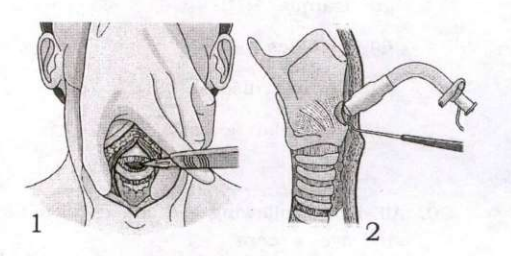
Pediatric Tracheostomy Indications
A tracheostomy is a surgical procedure to create an opening into the trachea (windpipe) to facilitate breathing. Determining the most common indication in children is crucial.
Analyzing Tracheostomy Causes in Children
The question asks for the most frequent reason a child might need a tracheostomy. Let's examine the options:
- Carcinoma of larynx: While possible, laryngeal cancer is very rare in children, making it an uncommon indication for tracheostomy in this age group.
- Laryngeal diphtheria: This severe bacterial infection (caused by Corynebacterium diphtheriae) can lead to significant swelling and the formation of a pseudomembrane in the larynx, causing acute airway obstruction. This was historically a major cause of tracheostomy in children.
- Vocal cord paralysis: Bilateral vocal cord paralysis can cause breathing difficulties and may require a tracheostomy, but it's generally less common than acute infectious airway obstruction.
- Poliomyelitis: This viral disease can cause paralysis, including the muscles involved in breathing, potentially requiring mechanical ventilation and sometimes a tracheostomy. However, with widespread vaccination, its incidence is significantly reduced.
Identifying the Most Common Indication
Historically and considering severe, acute airway compromise in children, Laryngeal diphtheria stands out. The rapid onset of obstruction due to the diphtheritic membrane necessitates immediate airway intervention, often a tracheostomy, to save the child's life.
Therefore, Laryngeal diphtheria is identified as the most common indication among the choices provided for tracheostomy in a child.
Important Questions from Throat Disorders
- Regarding “Quinsy” all of the following are correct EXCEPT:
- Carcinoma of pyriform fossa usually presents with :
- Which is the most common laryngeal abnormality that produces laryngeal stridor in a newborn?
- A localized nodule of squamous cell carcinoma in the vocal cord is best treated by
The procedure shown in the following images is