Question
Name the artist who painted the series "Fairy Tales from Purvapalli" in 1986 ?
This question was previously asked in
CUET PG 2026 Agri-Business Management Question Paper (25-Mar-2026) (Shift 2)
The correct answer is
K.G Subramanyam
Fairy Tales from Purvapalli: Artist Identification
The question asks to identify the artist responsible for the 1986 painting series titled "Fairy Tales from Purvapalli".
The artist who created the "Fairy Tales from Purvapalli" series in 1986 is K.G Subramanyam.
This identification is based on art historical records concerning K.G Subramanyam's notable works from that period.
Was this answer helpful?
Similar Questions
- Name the Florentine artist who painted the painting "Adoration of the Magi" ?
- In which medium Myron's "Discuss Thrower (Discobolus)" created ?
- Name the artist who created a visual sense of cosmic union of male and female energy, reminding us of purusha and prakriti of the Tantric philosophy.
- Where is Nandalal Bose's Haripura Poster 'Dhaki' (1937) housed in India ?
- Who was the main artist and creator of the Journal 'Indian Society of Oriental Art' ?
- The famous painting of Jahangir era 'Falcon on a Bird Rest' painted by __________.
- From which Rajasthani School of paintings, Dhola-Maru (1810) associated, which is housed in National museum, New Delhi ?
- Identify the artist who used 'drip technique' to produce his paintings ?
- Name the artist of the painting 'Nevermore' painted in Oil on Canvas in 1897.
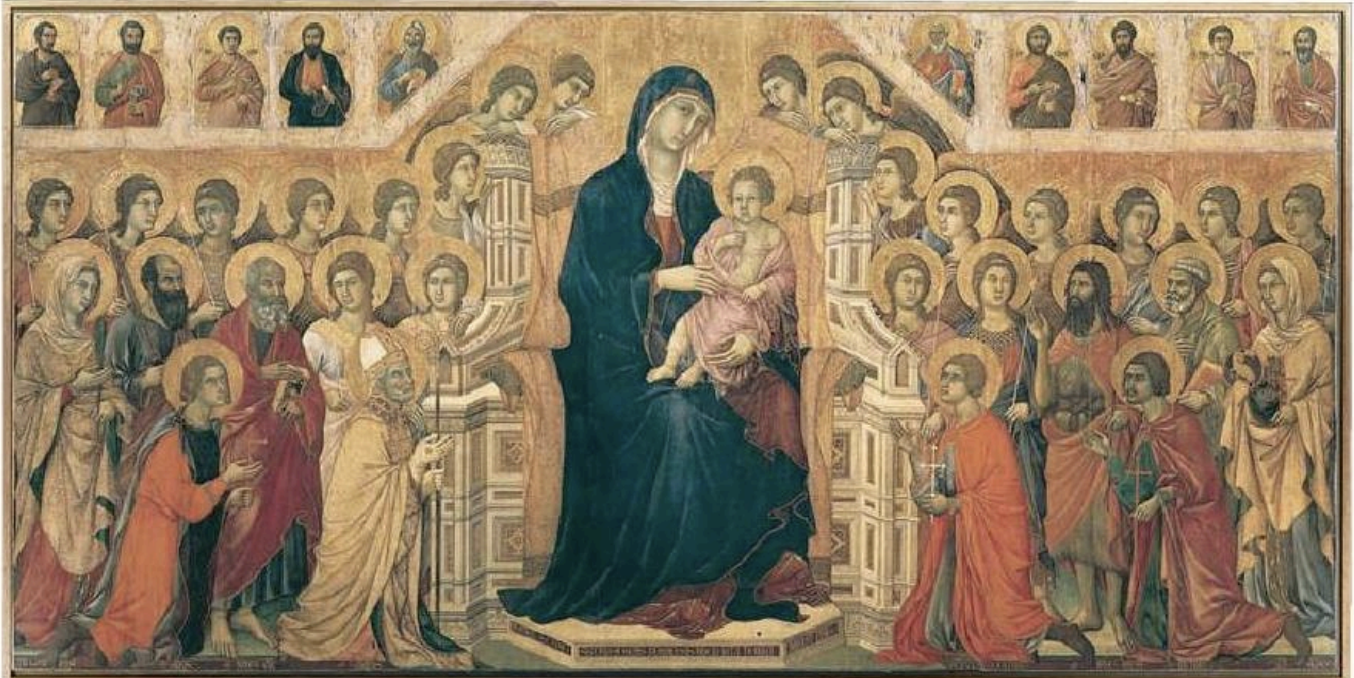
In which technique the (given image) artwork done ?
Important Questions from Mixed Topic (CUET PG)
- Kalpsutra, the illustrated canonical text is from:-
- The Harappan city almost exclusively devoted to craft production was-:
- Mohandas Karamchand Gandhi launched quit India movement after the failure of:-
- The "Objectives Resolution" was introduced in constituent assembly by:-
- Who among the following was not a member of the constituent assembly:-
Need Expert Advice?
Upcoming Exams
GATE
February 06, 2027
Test Series

CUET
CUET PG Psychology (HUQP20) 2026 Mock Test Series
10 Tests
792 Attempts
3.7(15)
English
More Questions from CUET PG