
Hydraulic gradient beneath A and B during rainy and dry seasons will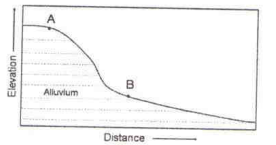
To determine how the hydraulic gradient beneath points A and B changes during rainy and dry seasons, we need to understand how rainfall affects groundwater flow. The hydraulic gradient is the slope of the water table or the flow line, which drives the movement of groundwater from high to low potential energy areas.
During the rainy season, there is an increase in precipitation, leading to higher water levels in the soil and increased recharge of groundwater. This increase in water levels results in a steeper hydraulic gradient due to the added water pressure, especially in areas downslope.
Conversely, during the dry season, the reduction in rainfall leads to less recharge and a decrease in water table levels. This reduction flattens the hydraulic gradient due to a decrease in water pressure.
Therefore, the hydraulic gradient will be higher during the rainy season than during the dry season at both points A and B. This is because the increased water flow from rainfall increases the slope of the hydraulic gradient.
Let's rule out the other options:
- The gradient will not remain constant as it is directly influenced by changes in water levels due to rainfall.
- The gradient cannot be lower during the rainy season as more water increases flow rates.
- The hydraulic gradient changes due to rainfall, regardless of whether it occurs upslope or downslope.
Conclusion: The correct answer is that the hydraulic gradient will be higher during the rainy season than dry season.
Important Questions from Hydrology And Water Resources
- A river with $2\text{ km}$ wide flood plain and $10\text{ m}$ channel depth flows with a velocity of $2\text{ ms}^{-1}$. What will be flow condition in the river?
Read the following statements and choose the CORRECT answer.
I. The suspended sediment concentration in rivers is supply-limited rather than hydraulically-limited, when
II. Much suspended material is contributed by overland flow from hillslope erosion
III. Suspended material is entirely derived by turbulent diffusion from the channel bed
- With reference to water in the hydrologic cycle, its residence time is the maximum in
Match the basin types A, B and C with the hydrograph patterns P, Q and R
Basin types Hydrograph pattern A. 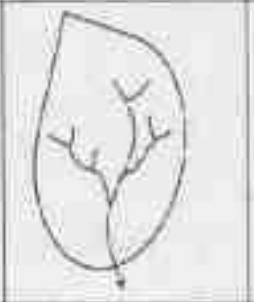
P. 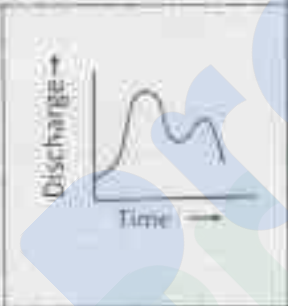
B. 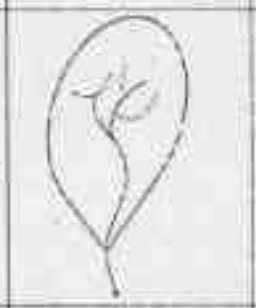
Q. 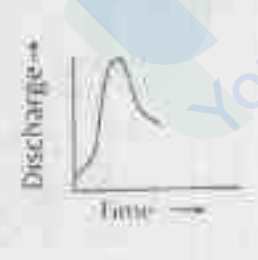
C. 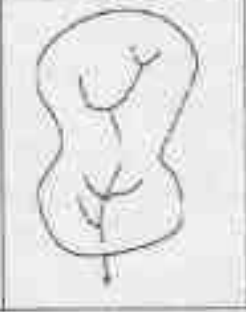
R. 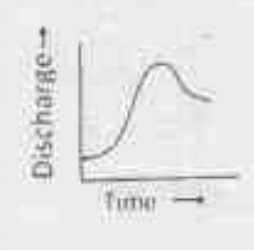
Identify the correct sequence of freshwate abundance on the Earth.(GP = Glaciers and Polar ice; A = Atmosphere; LR = Lakes and Rivers; UW = Underground Water)


