
Above graph is not applicable for which of the following reaction: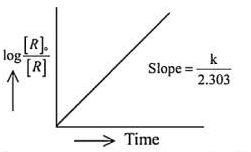

The correct answer is (a) 2NH3 (g) → N2 (g) + 3H2 (g). The graph shown is related to a first-order reaction, where the concentration of reactants changes over time. For this graph to be applicable, the rate law must follow first-order kinetics, where the rate is proportional to the concentration of one reactant. The given reaction (a) represents the Haber process for ammonia, which is a complex reaction that does not follow simple first-order kinetics. Therefore, this graph is not applicable for this reaction.
Important Questions from Organic Compounds Containing Nitrogen
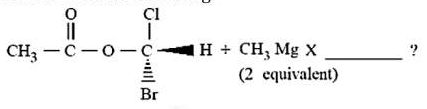
Identify the stereochemically correct product(s) formed from the following:
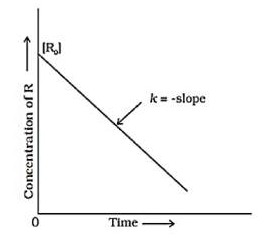
Which of the following curves represent a first order reaction?
A brown ring is formed in the ring test for NO3− ion. It is due to the formation of:
What product is obtained when chloroform reacts with oxygen in presence of light?
What is the IUPAC name of picric acid?


