
Which zone of a pond/lake ecosystem does not receive light?
Profundal
Understanding Pond and Lake Ecosystem Zones
Pond and lake ecosystems are typically divided into different zones based on factors like depth, distance from the shore, and importantly, light penetration. These zones support different types of life due to the varying conditions.
Let's look at the main zones and how light affects them:
- Littoral Zone: This is the shallow area near the shore. Light penetrates all the way to the bottom, allowing rooted plants like reeds and lilies to grow. It's a diverse zone with many insects, fish, and amphibians.
- Limnetic Zone: This is the open water surface layer away from the shore. It receives sufficient light for photosynthesis to occur. This is where phytoplankton (microscopic plants) and zooplankton (microscopic animals) live, forming the base of the food chain for many fish. This zone extends as deep as light can penetrate effectively for photosynthesis, which is called the photic or euphotic zone.
- Epilimnion: This is the warm, well-mixed upper layer of the limnetic zone during periods of thermal stratification. It receives the most sunlight and is the primary site of photosynthesis. The epilimnion is part of the limnetic zone and is within the photic zone.
- Profundal Zone: This is the deep water layer located below the limnetic zone (and the thermocline in stratified lakes). The key characteristic of the profundal zone is that light does not penetrate to this depth. Therefore, photosynthesis cannot occur here. Life in the profundal zone relies on organic matter that sinks down from the upper zones.
The question asks which zone of a pond/lake ecosystem does not receive light. Based on our understanding of the zones:
- The Littoral zone receives light throughout its depth.
- The Limnetic zone (specifically the photic part) receives light.
- The Epilimnion, being the surface layer, receives ample light.
- The Profundal zone is defined by the absence of light penetration.
Therefore, the Profundal zone is the one that does not receive light.
Zone Characteristics Table
| Zone | Location | Light Penetration | Primary Producers |
|---|---|---|---|
| Littoral | Shallow, near shore | Reaches bottom | Rooted plants, algae |
| Limnetic (Photic part) | Open water surface | Sufficient for photosynthesis | Phytoplankton |
| Epilimnion | Upper layer of Limnetic (warm) | High | Phytoplankton |
| Profundal | Deep water, below light penetration | Does not reach | None (dependent on sinking organic matter) |
Revision Table: Pond/Lake Zones and Light
| Zone Name | Light Condition |
|---|---|
| Littoral | High light (reaches bottom) |
| Limnetic (Photic) | Sufficient light for photosynthesis |
| Epilimnion | Highest light |
| Profundal | No light |
Additional Information: Pond/Lake Ecosystems and Stratification
In addition to horizontal zonation (littoral, limnetic, profundal), deeper lakes can also have vertical zonation, especially during summer and winter, called thermal stratification. This involves layers of water at different temperatures.
- Epilimnion: The warm upper layer.
- Thermocline (or Metalimnion): A middle layer where temperature changes rapidly with depth.
- Hypolimnion: The cold, deep bottom layer.
The profundal zone is often located within or below the hypolimnion, emphasizing its cold, dark conditions and separation from the sunlit surface.
Important Questions from Miscellaneous
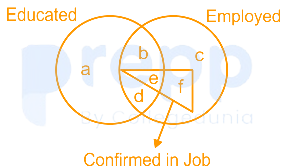
Read the given figure and find the region representing persons who are educated and employed but not confirmed in job.
The magazine in which Mahatma Gandhi mentioned what he wanted the Constitution to do is:
Which gas shields the surface of the earth from ultraviolet radiation from the sun?
Which event is marked as an Intangible Cultural Heritage of Humanity by UNESCO?
Who has been conferred with the rank of the Commander of the Order of the British Empire in 2018?


