
Which one of the following consists of physical working conditions, work schedule, incentives and the number of people with whom the employee would normally intract?
Job context
Understanding Job Context in Human Resources
The question asks to identify the term that encompasses physical working conditions, work schedule, incentives, and the number of people an employee interacts with regularly. Let's analyze the given options to determine the most appropriate term.
In the field of human resources and job analysis, different terms are used to describe various aspects of a job. Understanding these terms is crucial for creating accurate job descriptions and specifications.
Analyzing the Options
- Job profile: A job profile is often a summary or overview of a job, including its main responsibilities and requirements. While it might touch upon some aspects, it's not the specific term for the environmental and relational factors mentioned.
- Job content: This refers to the actual tasks, duties, and responsibilities that make up a job. It describes what the employee does. It does not typically cover the surrounding conditions or interactions.
- Job context: This term describes the environment and conditions under which the job is performed. This includes physical working conditions (like noise, temperature, safety hazards), the work schedule (hours, shifts), compensation and incentives, and the relationships and interactions the employee has with others (supervisors, colleagues, clients). The elements listed in the question perfectly align with the definition of job context.
- Job specification: A job specification outlines the qualifications, skills, knowledge, and abilities (KSAs) that a person needs to successfully perform the job. It focuses on the person, not the job environment or tasks.
Based on the definitions, the elements mentioned in the question—physical working conditions, work schedule, incentives, and the number of people with whom the employee would normally interact—are all components of the job context. Job context provides the surrounding environment and conditions influencing the job and the employee's experience.
Why Job Context is the Correct Answer
The question specifically lists factors external to the core tasks and responsibilities but integral to the work environment and employee experience. These factors define the conditions and relationships within which the job is performed.
- Physical working conditions: This is about the physical environment – office setup, factory floor, outdoor work, exposure to elements, safety conditions, etc.
- Work schedule: This covers hours worked, shift patterns, flexibility, etc.
- Incentives: This relates to pay structure, bonuses, benefits, and other forms of compensation or rewards.
- Interaction with people: This covers the social aspect – team size, reporting relationships, customer interaction, etc.
All these aspects fall under the umbrella of job context, making it the correct answer.
| Term | Focus | Examples |
|---|---|---|
| Job Content | Tasks, Duties, Responsibilities | Writing reports, operating machinery, serving customers |
| Job Context | Work Environment, Conditions, Relationships | Office environment, 9-to-5 schedule, team interactions, bonus structure |
| Job Specification | Required Skills, Knowledge, Abilities, Qualifications | Bachelor's degree, 3 years experience, communication skills |
Therefore, the term that includes physical working conditions, work schedule, incentives, and employee interaction is Job context.
Revision Table: Key Job Concepts
| Concept | What it includes |
|---|---|
| Job Description | Summary of the job, including title, reporting relationships, job content, and some context. |
| Job Content | Tasks, duties, and responsibilities. |
| Job Context | Working conditions, schedule, incentives, social environment, relationships. |
| Job Specification | Required qualifications, skills, knowledge, and abilities of the person. |
Additional Information: Importance of Job Context
Understanding job context is important for several reasons in human resource management:
- Recruitment and Selection: Clearly stating the job context helps attract candidates who are a good fit for the working environment and schedule.
- Compensation and Benefits: Job context factors like hazardous conditions or irregular schedules can influence compensation levels and benefit packages.
- Employee Satisfaction and Well-being: The physical environment, relationships with colleagues, and work-life balance influenced by the schedule are key factors in employee satisfaction and overall well-being.
- Performance Management: The context can impact how performance is measured and the challenges employees face in meeting expectations.
Job context provides essential information that complements the job content and person requirements, offering a holistic view of the job role within the organization.
Important Questions from Miscellaneous
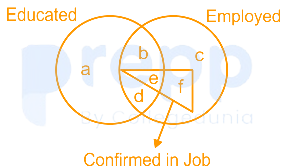
Read the given figure and find the region representing persons who are educated and employed but not confirmed in job.
The magazine in which Mahatma Gandhi mentioned what he wanted the Constitution to do is:
Which gas shields the surface of the earth from ultraviolet radiation from the sun?
Which event is marked as an Intangible Cultural Heritage of Humanity by UNESCO?
Who has been conferred with the rank of the Commander of the Order of the British Empire in 2018?


