
Which one among the following is not a factor external to an entrepreneur?
Business experience in the same or related line
Understanding Factors for Entrepreneurs
When we talk about factors affecting an entrepreneur or a business, we can broadly categorize them into two types: internal factors and external factors.
- Internal Factors: These are elements within the control or inherent to the entrepreneur or the business itself. They relate to the entrepreneur's personal traits, skills, experience, resources they already own, business processes, organizational culture, etc.
- External Factors: These are elements outside the control of the entrepreneur or the business. They include market conditions, government policies, economic climate, availability of resources from external sources, competition, infrastructure, social trends, etc.
Understanding the difference between these helps entrepreneurs manage their ventures effectively by leveraging internal strengths and mitigating external challenges or seizing external opportunities.
Analyzing Potential Entrepreneurial Factors
Let's examine each of the given options to determine whether it is primarily an external or internal factor concerning an entrepreneur.
Machinery on Hire Purchase
Acquiring machinery through hire purchase involves entering into an agreement with an external party (the lender or seller) to use an asset over time while making payments. The machinery itself is an external resource being brought into the business under specific terms set by an external entity. Therefore, this is considered an external factor as it deals with obtaining resources from outside sources via a specific external financing/acquisition method.
Accommodation in Industrial Estates
Industrial estates are typically developed and managed by government agencies or private developers to provide infrastructure and ready-to-use space for businesses. Obtaining accommodation (factory space, office) in such an estate means utilizing infrastructure and facilities provided by an external body. This is an external support system and resource. Thus, it is an external factor.
Financial Assistance from Non-Government Sources
Financial assistance, such as loans, grants, or investments, when received from banks, venture capitalists, angel investors, or other non-governmental financial institutions, comes from entities external to the entrepreneur's immediate business structure. Accessing and securing this funding depends on external market conditions and the criteria of these external financial bodies. This is clearly an external factor related to resource acquisition.
Business Experience in the Same or Related Line
Business experience refers to the knowledge, skills, lessons learned, and network an individual (the entrepreneur) has gained from working or operating businesses in the past, particularly in relevant industries. This experience resides within the entrepreneur themselves. It shapes their decision-making abilities, problem-solving skills, and understanding of the industry. This is a personal attribute and resource possessed by the entrepreneur. Therefore, it is an internal factor.
Identifying the Factor Not External to an Entrepreneur
Based on our analysis:
- Machinery on hire purchase: External factor
- Accommodation in industrial estates: External factor
- Financial assistance from non-government sources: External factor
- Business experience in the same or related line: Internal factor
The question asks which option is NOT a factor external to an entrepreneur. The only option that is an internal factor is "Business experience in the same or related line".
Therefore, business experience is the factor that is not external; it is internal to the entrepreneur.
Revision Table: Key Entrepreneurial Factors
| Factor | Category (Internal/External) | Explanation |
|---|---|---|
| Business Experience | Internal | Knowledge and skills possessed by the entrepreneur. |
| Machinery on Hire Purchase | External | Acquiring assets from an external provider. |
| Accommodation in Industrial Estates | External | Utilizing infrastructure provided by an external body. |
| Financial Assistance (Non-Govt) | External | Obtaining funds from external financial institutions. |
| Market Conditions | External | Conditions outside the business influencing demand, competition, etc. |
| Entrepreneurial Skills | Internal | Abilities and competencies of the entrepreneur (e.g., leadership, decision-making). |
Additional Information on Entrepreneurship
Entrepreneurs operate within complex environments influenced by both internal capabilities and external forces. Success often depends on the entrepreneur's ability to manage these factors effectively.
- Internal Strengths: Leveraging strong business experience, unique skills, innovative ideas, and existing financial resources.
- External Opportunities: Identifying market gaps, favorable government policies, available infrastructure like industrial estates, and access to external finance.
- Internal Weaknesses: Lack of experience, insufficient funds, poor management skills, outdated technology.
- External Threats: Intense competition, unfavorable economic conditions, changes in regulations, difficulty accessing external finance or resources.
A thorough understanding of these factors helps entrepreneurs in strategic planning, risk assessment, and resource allocation to build sustainable businesses.
Important Questions from Miscellaneous
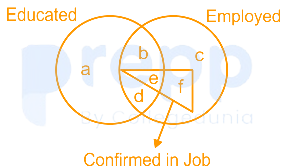
Read the given figure and find the region representing persons who are educated and employed but not confirmed in job.
The magazine in which Mahatma Gandhi mentioned what he wanted the Constitution to do is:
Which gas shields the surface of the earth from ultraviolet radiation from the sun?
Which event is marked as an Intangible Cultural Heritage of Humanity by UNESCO?
Who has been conferred with the rank of the Commander of the Order of the British Empire in 2018?


