
Which of the following tanks was not constructed by the Kakatiyas ?
Dindi
The Kakatiya dynasty, which ruled parts of present-day Andhra Pradesh and Telangana from the 12th to the 14th century CE, is renowned for its significant contributions to water management and irrigation infrastructure. They were particularly known for constructing numerous 'cheruvus' (tanks), which played a vital role in the region's agriculture.
Kakatiya Tank Construction History
The question asks to identify which of the listed tanks was not constructed by the Kakatiyas. Let's examine the options:
- Bayyaram Tank: This tank is historically significant and is attributed to the Kakatiyas. It is believed to have been built during the reign of Kakatiya ruler Ganapati Deva.
- Ghanpur Tank: Located in the Warangal district, Ghanpur is also associated with Kakatiyan engineering and construction efforts, contributing to irrigation in the region.
- Pakhala Tank: Pakhala Someswaradeva, a Kakatiya ruler, is credited with the construction of the Pakhala tank. This is one of the most famous and well-preserved examples of Kakatiyan water management systems.
- Dindi Tank: While Dindi is a known location, historical and archaeological evidence does not prominently attribute the construction of a major tank system at Dindi specifically to the Kakatiya dynasty in the same way as the other options. Its major construction phases might be linked to different periods or dynasties, or it may not have been a significant Kakatiyan project compared to the others.
Identifying the Non-Kakatiya Tank
Based on historical records and architectural attributions:
- Bayyaram, Ghanpur, and Pakhala tanks are widely recognized as constructions initiated or completed by the Kakatiya rulers.
- The Dindi tank is the one that stands out as not being primarily constructed by the Kakatiyas among the given choices.
Therefore, the tank that was not constructed by the Kakatiyas is Dindi.
Important Questions from Miscellaneous
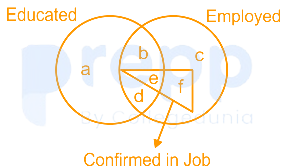
Read the given figure and find the region representing persons who are educated and employed but not confirmed in job.
The magazine in which Mahatma Gandhi mentioned what he wanted the Constitution to do is:
Which gas shields the surface of the earth from ultraviolet radiation from the sun?
Which event is marked as an Intangible Cultural Heritage of Humanity by UNESCO?
Who has been conferred with the rank of the Commander of the Order of the British Empire in 2018?


