
Which of the following statements is false in relation to consignment?
Despatch of goods on consignment amounts to sale of goods by the consignor
Consignment Principles and Relationship
Consignment is a business arrangement where one party, the consignor, sends goods to another party, the consignee, for sale on behalf of the consignor. The consignee sells the goods to customers and receives a commission on the sales. Understanding the true nature of the relationship and the status of the goods is crucial.
Consignment Relationship: Principal and Agent
Let's examine the given statements about consignment:
- Statement 1: The relationship between the consignor and the consignee is that of a principal and an agent.
This statement is True. The consignor is the principal, and the consignee acts as their agent to sell the goods. The consignee follows the instructions of the consignor and acts on their behalf.
Consignment and Goods Ownership
- Statement 2: The legal ownership and title of goods is not transferred to the consignee.
This statement is also True. In a consignment arrangement, the consignor retains ownership of the goods until they are sold to a third-party customer by the consignee. The consignee only has physical possession of the goods, not legal title.
Consignment vs. Sale of Goods
- Statement 3: Despatch of goods on consignment amounts to sale of goods by the consignor.
This statement is False. When the consignor sends goods to the consignee on consignment, it is merely a transfer of possession. It is not considered a sale because the ownership (title) of the goods does not pass from the consignor to the consignee at this point. The sale occurs only when the consignee sells the goods to the final customer.
Consignment and Consignee's Debt Status
- Statement 4: The consignee does not become the debtor of the consignor on receipt of goods.
This statement is True. The consignee receives goods to sell them on the consignor's behalf. They do not purchase the goods from the consignor upon receipt. Therefore, they do not owe money (become a debtor) to the consignor just by receiving the goods. The consignee becomes liable to pay the consignor only after the goods are sold to a third party, and the amount due is the sales proceeds less agreed expenses and commission.
Identifying the False Consignment Statement
Based on the analysis, the statement that is false in relation to consignment is: "Despatch of goods on consignment amounts to sale of goods by the consignor."
Important Questions from Miscellaneous
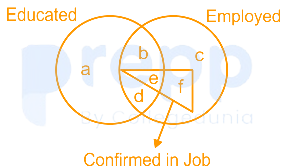
Read the given figure and find the region representing persons who are educated and employed but not confirmed in job.
The magazine in which Mahatma Gandhi mentioned what he wanted the Constitution to do is:
Which gas shields the surface of the earth from ultraviolet radiation from the sun?
Which event is marked as an Intangible Cultural Heritage of Humanity by UNESCO?
Who has been conferred with the rank of the Commander of the Order of the British Empire in 2018?


