
Which is a chronic inflammatory and autoimmune disease affecting peripheral synovial joints of bone?
Rheumatoid
The correct answer is Rheumatoid.
Rheumatoid arthritis is a chronic, systemic autoimmune disease in which inflammation of the synovial membrane (synovitis, pannus formation) symmetrically affects small peripheral joints of the hands and feet, causing morning stiffness and deformities.
Osteoarthritis is degenerative "wear-and-tear" of articular cartilage, not autoimmune; polyarthritis is only a descriptive term for many inflamed joints; ankylosing spondylitis mainly affects the spine and sacroiliac joints (axial skeleton).
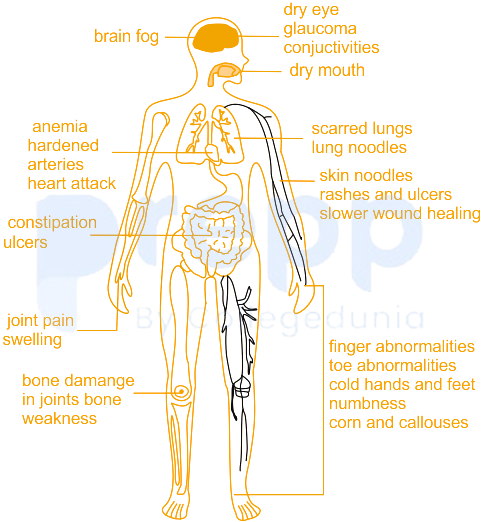
Short trick: RA = autoimmune + symmetrical small peripheral joints + morning stiffness > 1 hour.
Important Questions from Medical Surgical Nursing
A patient is very restless while receiving IV fluids to treat dehydration. The IV catheter has slipped out of the vein and fluid is delivered to the surrounding tissues under the skin, causing swelling. Which term best describes this occurrence?
Medical asepsis differs from surgical asepsis in that it is aimed at:
The cerebrospinal fluid is secreted by ________
The inflammatory / exudative phase of wound healing will last for
The person who becomes short of breath with little exertion, such as when eating a meal, has what kind of respiratory condition?


