
What is the the first factor influencing a buyer's decision?
age
Understanding the factors that influence a buyer's decision is crucial in marketing and business. Many elements can affect what a consumer chooses to buy. These factors generally fall into several categories, including:
- Cultural Factors
- Social Factors
- Personal Factors
- Psychological Factors
The question asks about the first factor among the given options influencing a buyer's decision. Let's look at the options provided:
- education
- age
- family
- occupation
These options belong to the 'Personal Factors' category, which includes demographic influences like age, life-cycle stage, occupation, economic situation, lifestyle, personality, and self-concept.
Among the choices listed, age is considered a fundamental demographic characteristic and a primary personal factor influencing buyer behavior. Different age groups have different needs, wants, preferences, and purchasing power.
- Infants and children have needs vastly different from teenagers or adults.
- Young adults often focus on education, career building, and starting families, influencing their spending on things like vehicles, housing, and entertainment.
- Middle-aged individuals may prioritize investments, health, and family needs.
- Older adults might focus on healthcare, retirement planning, and leisure activities.
While education, family, and occupation are also significant personal factors, age often dictates a person's life stage, which in turn shapes their basic needs and broad consumption patterns. For example, family structure (family life cycle stage) and occupation significantly influence income and needs, but age often provides the initial context for these stages and requirements.
Therefore, among the given options, age is commonly cited as a foundational factor that initiates changes in needs and purchasing behavior throughout a person's life.
Important Questions from Miscellaneous
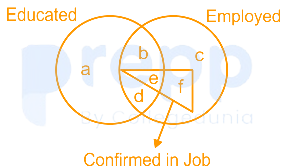
Read the given figure and find the region representing persons who are educated and employed but not confirmed in job.
The magazine in which Mahatma Gandhi mentioned what he wanted the Constitution to do is:
Which gas shields the surface of the earth from ultraviolet radiation from the sun?
Which event is marked as an Intangible Cultural Heritage of Humanity by UNESCO?
Who has been conferred with the rank of the Commander of the Order of the British Empire in 2018?


