
The methods of calculating depreciation in hire purchase method are:
both 1 and 2
In the context of a hire purchase agreement, depreciation is an important accounting consideration. Depreciation represents the reduction in the value of an asset over time due to wear and tear, obsolescence, or usage. When an asset is acquired under a hire purchase system, the ownership might technically remain with the seller until the final installment is paid, but the buyer gets possession and uses the asset from the beginning. Therefore, the buyer is typically responsible for accounting for the depreciation of the asset.
Understanding Depreciation in Hire Purchase
The process of calculating depreciation for assets acquired under a hire purchase method needs specific approaches because of the nature of the agreement. Unlike a direct purchase, the full cost of the asset is not paid upfront, and the interest component is often spread over the installment period. However, for accounting purposes, the asset is usually shown at its cash price in the books of the hire purchaser, and depreciation is calculated on this cash price.
Methods for Calculating Depreciation in Hire Purchase
There are different ways to calculate depreciation on assets under a hire purchase method. Two common methods mentioned in the options are the permanent division method and the sequential depletion method.
Permanent Division Method
The permanent division method, also sometimes referred to as the annuity method or interest suspense method, is a method used in hire purchase accounting. In this method, the total interest payable over the life of the hire purchase agreement is first determined. Then, the asset's cash price is recognized. Depreciation is calculated on the asset's cash price using a standard depreciation method (like straight-line or reducing balance). The interest expense for each period is calculated separately based on the outstanding balance. This method aims to show a constant total charge (depreciation + interest) over the initial years or to separate the principal and interest components clearly.
Sequential Depletion Method
The sequential depletion method is another approach that can be applied in certain scenarios within hire purchase, especially conceptually. While "sequential depletion" is more commonly associated with natural resources, in the context of hire purchase depreciation, it refers to methods where depreciation might be linked to the usage or the declining balance, effectively 'depleting' the asset's value sequentially over time, often using a reducing balance method. This method results in higher depreciation in the earlier years and lower depreciation in later years, reflecting the assumption that assets are more efficient when new and lose a larger portion of their value initially.
Calculating Depreciation in Hire Purchase Using Both Methods
Both the permanent division method (or methods similar in principle, like the annuity method) and methods like the sequential depletion method (represented by reducing balance depreciation) are recognized ways to calculate depreciation in hire purchase scenarios depending on the specific accounting policy followed and the nature of the asset. Therefore, when considering the methods available for calculating depreciation in hire purchase, both types of approaches are applicable.
Based on the understanding of hire purchase accounting and the available methods for calculating depreciation, both the permanent division method and the sequential depletion method are considered valid approaches in this context.
Important Questions from Miscellaneous
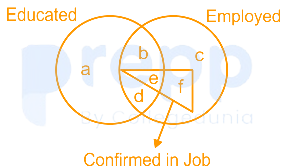
Read the given figure and find the region representing persons who are educated and employed but not confirmed in job.
The magazine in which Mahatma Gandhi mentioned what he wanted the Constitution to do is:
Which gas shields the surface of the earth from ultraviolet radiation from the sun?
Which event is marked as an Intangible Cultural Heritage of Humanity by UNESCO?
Who has been conferred with the rank of the Commander of the Order of the British Empire in 2018?


