
Reader's Digest magazine offers diaries to its regular subscribers for introducing new subscribers. Which method of conditional premium of consumer promotion is this an example of?
User to User scheme
Reader's Digest User to User Scheme Explained
The question describes a scenario where Reader's Digest magazine rewards its existing subscribers (users) with diaries (a premium) for successfully bringing in new subscribers (other users). This type of promotional activity, where existing customers are incentivized to recruit new customers, falls under a specific category of consumer promotion methods.
Let's look at the options provided and see which one best fits this description:
- Coupon Premium Plan: This typically involves offering a premium (like a gift or discount) in exchange for coupons collected from product purchases. It doesn't involve existing users recruiting new ones.
- Consumer Contests: These promotions require participants to compete based on skill or chance to win prizes. The Reader's Digest scenario is not a competition.
- Refill packs: This refers to a packaging strategy where refill packs are offered, often at a lower price, to encourage repeat purchase. It is not a consumer promotion method for acquiring new customers through referrals.
- User to User scheme: This type of scheme, also known as a referral program, rewards existing users for referring new users to a product or service. The premium (diary) is conditional upon the referred person becoming a new subscriber. This directly matches the scenario described in the question.
The Reader's Digest example is a classic illustration of a User to User scheme because it leverages the existing user base to expand the customer base by offering a reward for successful referrals. The diary serves as the conditional premium offered for the action of introducing a new subscriber.
Therefore, the method of conditional premium of consumer promotion exemplified by Reader's Digest offering diaries to subscribers for introducing new subscribers is a User to User scheme.
Important Questions from Miscellaneous
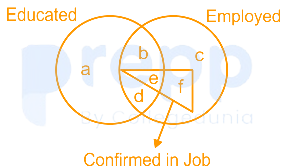
Read the given figure and find the region representing persons who are educated and employed but not confirmed in job.
The magazine in which Mahatma Gandhi mentioned what he wanted the Constitution to do is:
Which gas shields the surface of the earth from ultraviolet radiation from the sun?
Which event is marked as an Intangible Cultural Heritage of Humanity by UNESCO?
Who has been conferred with the rank of the Commander of the Order of the British Empire in 2018?


