
Match the following:
(1) Physical Weathering (a) Alluvial deposits
(2) Chemical Weathering (b) Carbonation
(3) River (c) Deflation
(4) Wind (d) Frost wedging
Geological Terms Matching: Weathering, Rivers, Wind
This question asks us to match key geological terms related to rock weathering and the actions of natural agents like rivers and wind with specific processes or resulting features. We will match each numbered item with its corresponding lettered option based on the provided correct answer.
| Term (1-4) | Match (a-d) | Brief Explanation of Association |
|---|---|---|
| (1) Physical Weathering | (c) Deflation | Connects mechanical rock breakdown with wind's physical removal of surface material. |
| (2) Chemical Weathering | (d) Frost wedging | Links chemical rock alteration with the physical process of ice expansion in cracks. |
| (3) River | (a) Alluvial deposits | Associates flowing watercourses with sediments they deposit. |
| (4) Wind | (b) Carbonation | Links wind as an agent with a specific chemical weathering process. |
Detailed Match Explanations
Physical Weathering & Deflation Match
Physical weathering is the process where rocks are broken down into smaller pieces by physical means, such as temperature changes or ice expansion. Deflation is a process of erosion where wind removes loose particles from the land surface. The question pairs these, linking the concept of physical breakdown with an erosional process driven by wind.
Chemical Weathering & Frost Wedging Match
Chemical weathering involves the alteration of rocks through chemical reactions, changing their mineral composition. Examples include dissolution and oxidation. Frost wedging is the process where water enters cracks in rocks, freezes, expands, and widens the cracks, causing the rock to break. This match associates the broad category of chemical weathering with frost wedging.
River & Alluvial Deposits Match
A river is a flowing body of water that transports sediment. As the river flows and its energy decreases, it deposits these sediments. Alluvial deposits are sediments, such as sand, silt, and clay, that are deposited by rivers. This is a direct and well-established relationship, where the river is the agent responsible for creating the alluvial deposits.
Wind & Carbonation Match
Wind is a natural force that can erode, transport, and deposit materials, shaping landscapes. Carbonation is a specific type of chemical weathering. It occurs when carbon dioxide dissolves in water, forming carbonic acid, which then reacts with minerals in rocks, causing them to break down or dissolve. This match connects the agent of wind with the process of carbonation.
Important Questions from Miscellaneous
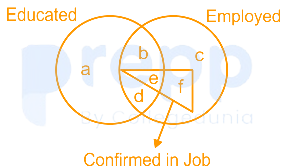
Read the given figure and find the region representing persons who are educated and employed but not confirmed in job.
The magazine in which Mahatma Gandhi mentioned what he wanted the Constitution to do is:
Which gas shields the surface of the earth from ultraviolet radiation from the sun?
Which event is marked as an Intangible Cultural Heritage of Humanity by UNESCO?
Who has been conferred with the rank of the Commander of the Order of the British Empire in 2018?


