
List of instructions is called as:
Program
Understanding a List of Instructions
In the world of computing, a computer needs to be told exactly what to do. These specific actions are defined step-by-step. A collection or a list of these detailed steps or actions that a computer must perform to achieve a particular task is a fundamental concept.
What is a Program?
A program is essentially a set of instructions written in a specific language that a computer can understand and execute. Think of it like a recipe; the recipe is a list of instructions telling you how to prepare a dish. Similarly, a computer program is a list of instructions telling the computer how to perform a task.
Analyzing the Options
Let's look at the given options:
- Firmware: Firmware is a specific type of software, a set of instructions, permanently stored in hardware devices (like ROM). While it's a list of instructions, the term "firmware" refers to where and how it's stored and its specific purpose (controlling hardware), not the general concept of any list of instructions.
- Embedded: "Embedded" usually refers to a system or software that is integrated into a larger device, often with real-time constraints. An embedded system runs software, which is a list of instructions, but "embedded" describes the system type, not the list of instructions itself.
- Program: As discussed, a program is a list of instructions that a computer executes to perform a specific task. This fits the definition perfectly.
- Software: Software is a broader term. It includes programs, but also data, documentation, etc. A program is a part of software, but software is not just a list of instructions; it's the entire collection of programs and related data. So, while a list of instructions is involved in software, the list itself is most accurately called a program.
Identifying the Correct Term
Based on the definitions, the term that specifically refers to a list of instructions for a computer is a program.
A program is the core component that tells the computer precisely what steps to take, in what order, using specific data, to achieve a desired outcome. This list of instructions can range from very simple tasks to complex operations.
Important Questions from Miscellaneous
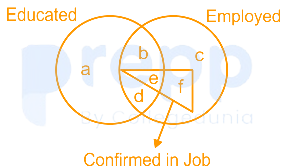
Read the given figure and find the region representing persons who are educated and employed but not confirmed in job.
The magazine in which Mahatma Gandhi mentioned what he wanted the Constitution to do is:
Which gas shields the surface of the earth from ultraviolet radiation from the sun?
Which event is marked as an Intangible Cultural Heritage of Humanity by UNESCO?
Who has been conferred with the rank of the Commander of the Order of the British Empire in 2018?


