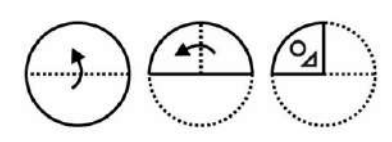
A paper is folded and cut as shown below. How will it appear when unfolded?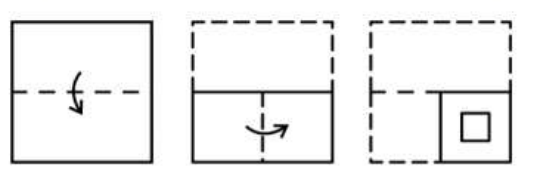
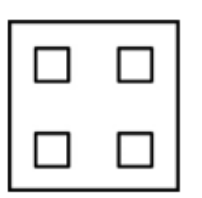
To solve this problem, we need to visualize the paper folding and cutting process and how it affects the pattern when the paper is unfolded.
Initially, the paper is folded in half, as indicated by the folding line:
After folding, a cut is made into the paper. The cut-out section will be symmetrical across the fold line. When the paper is unfolded, the cut-out shapes will appear on both sides of the fold line in symmetry.
The options provided are various unfolded images of the pattern that might result from the fold and cut. We need to identify the correct pattern.
The key to determining the correct answer is recognizing the symmetry created by the fold and ensuring that the unfolded paper displays this symmetry:
This option shows the symmetrical pattern expected when unfolding the paper, as the cuts made while folded appear as mirrored shapes.
Therefore, the correct unfolded paper pattern is shown in the option above, confirming the logical reasoning based on paper folding and cutting techniques.
Important Questions from Folding and Completion
Which answer figure will complete the pattern in the question figure? (rotation is not allowed)
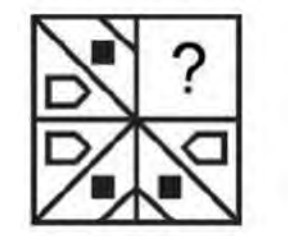
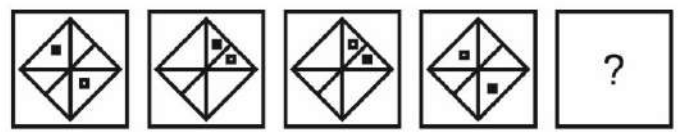
In the following question, select the figure which can be placed at the sign of question mark (?) from the given alternatives.
A piece of paper is folded and punched as shown below in the question figures. From the given option figures, indicate how it will appear when opened?
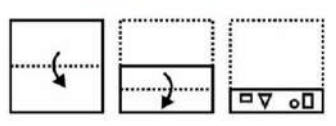
A paper is folded and cut as shown below. How will it appear when unfolded?
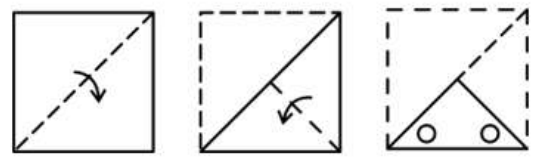
A piece of paper is folded and punched as shown below in the question figures. From the given option figures, indicate how it will appear when opened?