
The Smart Professional’s Guide to Cross-Border Travel in Europe: Using Eurostar for Work, Study, and Career Moves

Cross-border professional life in Europe has quietly become more common than the headlines suggest. Post-graduate students attending interviews at European universities, professionals sitting certification exams in cities across the continent, early-career consultants with client work in Brussels, and MBA candidates visiting campuses in Paris or Amsterdam — all of them regularly need to move between the UK and mainland Europe efficiently, cost-effectively, and with enough mental bandwidth left over to actually show up at their destination in a usable state.
Eurostar sits at the centre of that movement for anyone whose journeys involve London, Paris, or Brussels. Its combination of city-centre-to-city-centre travel, short journey times, quiet working environment, and no-faff check-in process makes it a fundamentally different product from a short-haul flight on those routes — not marginally better on some metrics, but categorically better for the specific use case of professional travel between these cities. This guide covers everything a professional needs to know to use Eurostar well: which routes to use for which purposes, which ticket class is actually worth the upgrade, how to stay productive on the journey, and how to plan a successful one-day cross-border trip without sacrificing a disproportionate amount of your working schedule.
For prepp readers specifically — students and professionals preparing for high-stakes exams and career-defining moves — the logistical planning that surrounds professional travel matters as much as the travel itself. Arriving at a Paris interview exhausted from a 4am alarm call and a 2-hour airport queue is a real competitive disadvantage compared to arriving comfortably on a 9:00 Eurostar after a normal night’s sleep. These decisions compound.
The Routes That Matter for Professional Travel
Three Eurostar routes account for the vast majority of professional cross-border journeys between the UK and mainland Europe. Each has a distinct professional use case and a slightly different optimal booking approach.
| Route | Journey Time | Primary Professional Use Cases |
|---|---|---|
| London St Pancras – Paris Gare du Nord | ~2 hrs 15 min | Business development, client meetings, MBA open days, internship placements, professional exam sittings at Paris test centres, cultural and professional networking events |
| London St Pancras – Brussels-Midi | ~2 hrs 1 min | EU institution work (European Commission, European Parliament, lobbying, NGOs), consulting, professional conferences, NATO-adjacent professional roles, ACCA/CFA exam sittings |
| London St Pancras – Amsterdam Centraal | ~4 hrs 11 min | Finance and tech sector travel, university campus visits, professional conference attendance, extended placement commutes |
Brussels warrants particular attention for professionals in legal, regulatory, public affairs, and policy roles. The EU institutions are headquartered in Brussels, and for professionals working with or around European legislation, regulation, or policy — at any level from student intern to senior consultant — Brussels is the functional centre of European professional life in a way that Paris and Amsterdam are not. The London–Brussels journey time of under two hours makes same-day return trips from London entirely practical without any sacrifice to a working day.
Why Eurostar Outperforms Flying for Professional Trips
The case for Eurostar over flying on these routes isn’t primarily about cost for professionals — it’s about the quality of the working experience and the total time efficiency of the journey. These two factors combine to make Eurostar the dominant choice for professionals who have done both.
- City centre to city centre. London St Pancras is in King’s Cross, a 10-minute Tube ride from most central London hotels, offices, and universities. Paris Gare du Nord is at the top of the 10th arrondissement, one metro stop from many professional and university districts. Brussels-Midi is a 15-minute taxi or metro ride from the EU quarter and the Grand Place. Compare that to Heathrow — 45 minutes minimum from central London, £25+ by Heathrow Express — or Charles de Gaulle, 35–55 minutes from central Paris.
- No liquid restrictions beyond passport control. Professionals who carry toiletries, protein supplements, certain medications, or other liquid items that exceed 100ml don’t need to transfer them to a checked bag or abandon them at security. Eurostar’s security screening imposes no such restrictions.
- Work-ready environment from the moment you board. No takeoff, no landing, no seatbelt sign interruptions, no drink trolley blocking the aisle at the moment you’ve found your working rhythm. Eurostar carriages are quiet, the seats have fixed tables and power sockets, and the journey is long enough to accomplish something meaningful.
- Predictable timing without airline-specific disruptions. Eurostar services do face occasional delays, but the frequency of weather-related, slot-related, and technical cancellations is lower than short-haul flying on these routes, and the rebooking process in disruption is generally simpler.
- No baggage check requirement for typical professional travel. A carry-on laptop bag, a small suitcase for an overnight trip, and a briefcase all travel with you in the carriage with no additional cost or handling time at either end.
Ticket Classes: When the Upgrade Is Worth It

Eurostar’s three fare tiers each suit a different type of professional journey. For most early-career professionals and students, Standard is the right choice. For senior professionals travelling on expenses, or for journeys where flexibility and working conditions justify a premium, the upgrade conversation is worth having.
| Ticket Class | Seat & Working Conditions | Flexibility | Best For |
|---|---|---|---|
| Standard | Standard 2+2 seating, power socket at most seats, fixed table, café bar access | Exchange with no fee up to 1 hour before departure (most fares); refund conditions vary | Most student and early-career professional trips; day returns and short placements |
| Standard Premier | Wider seat, at-seat meal service, dedicated check-in, more legroom | Typically free exchange up to 1 hour before; better refund conditions | Professionals who want a meal included and more space without the top-tier price |
| Business Premier (Eurostar Plus) | Widest seats, full meal service, lounge access at St Pancras and Gare du Nord, quietest carriages | Most flexible; refund or exchange up to departure in most conditions | Senior professionals, expense-account travel, situations requiring guaranteed flexibility, pre-meeting preparation time in the lounge |
The practical difference between Standard and Standard Premier for most professional journeys is meal service and slightly more seat space — genuinely useful on a 4-hour journey to Amsterdam, less critical on a 2-hour London–Paris run. Business Premier’s lounge access at St Pancras and Gare du Nord is a genuine benefit if you’re doing a one-day Paris meeting and want a quiet space to prepare before the meeting and decompress after it without sitting in a busy station concourse.
Making the Journey Productive: How to Work on Eurostar
A two-hour Eurostar journey to Paris or Brussels, managed well, can be one of the most productive blocks of time in a professional’s week. Here is how to make the most of it:
- Choose your seat strategically. Window seats in a forward-facing direction (even-numbered seats on most carriages) give you the most stable working surface and the least likelihood of being disrupted by other passengers. Seats adjacent to power sockets are marked in the seating plan during booking.
- Download everything you need before boarding. The Wi-Fi is adequate for email and light browsing but unreliable during the 15–20 minute tunnel section. PDFs, slide decks, contracts, or any large files should be downloaded offline before you reach the departure gate.
- Use the journey for focused work that benefits from interruption-free time. Draft documents, review briefing packs, annotate materials, or prepare for the meeting you’re heading to. The absence of colleagues, phone calls, and Slack notifications makes the Eurostar carriage genuinely better than the office for certain tasks.
- Bring noise-cancelling headphones. The carriages are quiet by default, but the ambient hum of the train and the general background of other passengers makes headphones useful for focus work or listening to preparatory material.
- Use the café bar strategically. The queue is longest immediately after departure. Wait 20–30 minutes, then get your coffee, and you’ll have the bulk of the journey ahead of you with the one interruption already dealt with.
- Treat the return journey as a debrief window. Use the two hours back to London to write up notes, follow up by email while the meeting is fresh, and process any outstanding action items. Arriving in London with your follow-up already done is a significant professional advantage.
Expenses, Corporate Booking, and Flexible Tickets
For professionals booking Eurostar on expenses or through a corporate travel policy, a few things are worth knowing upfront.
Eurostar is typically classed as a rail expense rather than a flight expense in corporate travel policies, which in many organisations means a lower approval threshold and a simpler reimbursement process. The ticket receipt (available as a digital PDF from the app or booking confirmation email) is sufficient for expense claims in most contexts.
- Flexible ticket conditions. Standard and Eurostar Plus tickets can be exchanged at no cost up to 1 hour before departure (price difference applies if the new train is more expensive). Refund conditions vary by fare type and are most generous on Business Premier tickets.
- Corporate accounts and group booking. Eurostar offers corporate account programmes for frequent travellers and organisations. For teams travelling regularly between London and Brussels, the subscription pass options on the continental network can reduce per-trip costs significantly.
- Invoicing. Businesses can request invoices for Eurostar purchases through the corporate account process. Individual ticket purchases generate a receipt rather than a formal invoice, which is sufficient for most expense purposes but may need supplementary documentation for VAT reclaim purposes.
- Group discounts. Travelling as a group of 10 or more passengers qualifies for a group discount on Eurostar. For teams heading to a professional event, conference, or group site visit, it’s worth contacting Eurostar’s group bookings team rather than booking individually.
- First-class lounge access for Eurostar Plus passengers. The St Pancras lounge (redeveloped and reopened in 2025) and the Paris Premier lounge provide dedicated workspaces, Wi-Fi, and light catering. For a full-day trip to Paris, arriving at St Pancras 90 minutes early to use the lounge before boarding can be more productive than sitting in a King’s Cross coffee shop.
Planning a One-Day London–Paris Trip Without Losing Your Whole Day
The London–Paris route is fast enough that a one-day return trip — morning departure, afternoon or evening meetings, evening return — is entirely realistic without requiring a 4am start or a 10pm arrival home. Here is a template timetable that works for most professional appointments:
| Time | Activity |
|---|---|
| 07:00 | Leave home for St Pancras International (central London Tube; 15–20 minutes from most central areas) |
| 07:30 | Arrive at Eurostar check-in terminal; clear passport control and security |
| 07:55 | Board the 08:01 or 08:31 departure (first business-friendly trains) |
| 10:15–10:45 | Arrive at Gare du Nord; metro to meeting location (20–30 minutes from Gare du Nord to most Paris business districts) |
| 11:00–15:00 | Meetings, university visits, professional appointments |
| 15:30 | Leave meeting location; metro to Gare du Nord |
| 16:30–17:00 | Arrive at Gare du Nord; Eurostar check-in for afternoon return |
| 17:13–17:31 | Board return service |
| 19:28–19:47 | Arrive London St Pancras |
| 20:00–20:30 | Home or office in central London |
This timetable gives you roughly four to five hours in central Paris for a full working day of professional activity, with a comfortable margin at both ends. The same template works for Brussels, where the shorter journey time (under 2 hours) actually extends your usable window in the city even further.
London–Brussels: The Professional Route Worth Understanding Well
The London–Brussels route is less well known than the Paris route among students and younger professionals, but it is arguably more professionally significant for a large segment of the people reading this guide. Brussels is the headquarters of the European Union’s major institutions — the European Commission, the European Parliament’s main buildings, the Council of the EU, and the vast ecosystem of law firms, lobbying organisations, NGOs, think tanks, and consultancies that orbit those institutions.
For anyone whose career intersects with EU law, European regulatory affairs, international trade policy, public affairs, or European institutional relations, Brussels is not a destination you visit once — it’s a city you travel to regularly. And the London–Brussels Eurostar, at under two hours, makes that regularity genuinely manageable in a way that a 3-hour airport-to-airport-to-city travel process would not.
Students at UK law schools, policy schools, or business schools with EU specialisations increasingly treat Brussels as a city they should visit during their studies — for networking, for internship applications at EU institutions, for placement terms, or for attending publicly accessible EU policy events. The combination of the Eurostar journey time and the advance Standard fare makes the trip accessible rather than prohibitive.
London–Amsterdam: When the Four-Hour Journey Makes Sense
At just over four hours, the London–Amsterdam Eurostar is a longer commitment than the Paris or Brussels routes, and the one-day return trip structure works less easily for a single afternoon of meetings. But there are professional contexts where it genuinely delivers value over flying:
- Finance sector travel. Amsterdam hosts a significant cluster of European financial services, asset management, and fintech firms, particularly since Brexit prompted a number of organisations to expand their continental EU presence. For professionals in this sector, the Eurostar is a credible alternative to flying for anything other than a very time-constrained one-day trip.
- University campus visits. Several of the Netherlands’ leading universities (University of Amsterdam, VU Amsterdam, Leiden, TU Delft) are well-connected to Amsterdam Centraal, and for UK students considering Dutch graduate programmes or visiting exchange partners, the Eurostar is often the most convenient option end to end.
- Overnight professional trips. For any trip involving a full day of activity in Amsterdam, an overnight stay makes the Eurostar journey excellent value — you avoid the time cost of two lengthy airport-to-city transfers and arrive in central Amsterdam directly.
- Tech sector and conference travel. Amsterdam is a major tech and innovation conference hub, and the Eurostar’s generous luggage allowance makes travelling with presentation equipment, samples, or technical kit easier than navigating airline carry-on restrictions.
Frequently Asked Questions
Ques: Can I get a refund if my professional plans change after booking?
Ans: Refund conditions vary by fare type. Standard fares are generally refundable up to 7 days before departure with a fee; more expensive fare types including Standard Premier offer better conditions. Business Premier tickets are typically the most flexible. Always check the specific refund conditions displayed at the time of booking.
Ques: Is Eurostar reliable for time-critical professional appointments?
Ans: Eurostar is generally reliable on its main routes, with on-time performance broadly comparable to short-haul aviation once airport processing time is excluded. For very high-stakes appointments where a single missed journey would be costly, leaving a buffer of one service (booking the train one hour earlier than strictly necessary) is prudent regardless of mode of transport.
Ques: How do I claim expenses for Eurostar as a business traveller?
Ans: Your booking confirmation email or the Eurostar app includes a receipt that is accepted for most expense purposes. For VAT reclaim or formal invoice requirements, Eurostar’s corporate account process can provide structured invoice documentation. Check with your finance team on the specific requirements before your trip.
Ques: What is the fastest realistic timetable for a London–Brussels day return?
Ans: Departing London at 07:56 on an early service, you can arrive at Brussels-Midi by 10:00 local time (Brussels is 1 hour ahead of London). A 10:30 meeting start is realistic, giving you 4–5 hours in Brussels before a mid-afternoon return and arriving in London by early evening.
Ques: Does Eurostar have dedicated quiet or work carriages?
Ans: Eurostar does not have formally designated quiet carriages in the same way some UK domestic services do. In practice, the Standard carriages are generally quiet and business-friendly, particularly outside peak commuter windows. Business Premier carriages are the quietest environment.
Ques: Can I use Eurostar with a Railcard or rail pass?
Ans: UK Railcards do not apply to Eurostar fares. Interrail and Eurail pass holders can use their pass on Eurostar with a compulsory seat reservation fee, but this is typically only advantageous if the pass is already being used extensively across multiple European routes. For single Eurostar journeys, booking a direct ticket is almost always cheaper.
Final Thoughts
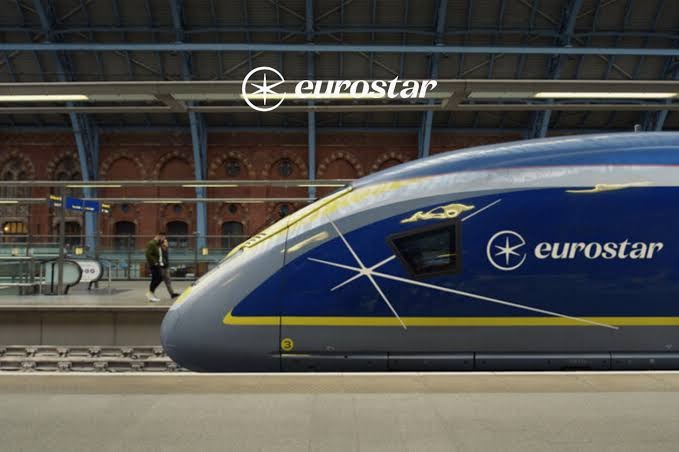
Cross-border professional travel in Europe doesn’t have to be a logistical burden. On the routes that Eurostar covers — London to Paris, London to Brussels, and London to Amsterdam — the combination of city centre departures, short journey times, predictable working conditions, and straightforward booking makes it the most professionally sensible option for the vast majority of trips. The upgrade to Business Premier or Standard Premier is worth evaluating when the working conditions or flexibility genuinely serve your purpose, but for most student and early-career professional journeys, a well-booked Standard fare is everything you need.
The students who travel well on these routes tend to share one habit: they treat the journey itself as part of the working day rather than dead time. Two hours on a quiet Eurostar carriage, with a fixed table, a power socket, and nothing urgent pulling at your attention, is an unusually productive window. Use it deliberately, and you arrive at your destination not just on time, but ahead.
Download the PREPP App and attempt FREE Nursing Mock Tests and get complete study material!


Comments