
Avis: Driving Innovation in the Global Car Rental Industry

The global travel and transportation industry has transformed dramatically over the past few decades. From digital booking systems to electric vehicles and app-based mobility solutions, consumers now expect convenience, flexibility, and reliability whenever they travel. In the center of this transformation stands Avis, one of the most recognized car rental brands in the world.
Avis has built a reputation for providing premium vehicle rental services for business travelers, tourists, families, and corporate clients. With operations spanning multiple countries and a long history of innovation, the company continues to shape the future of mobility.
This blog explores the history of Avis, its business model, services, digital transformation, competitive advantages, sustainability initiatives, challenges, and future opportunities in the evolving transportation landscape.
The History of Avis
Avis was founded in 1946 by Warren Avis at Willow Run Airport in Detroit, Michigan. At the time, the idea of renting cars at airports was still relatively new. Warren Avis recognized that travelers arriving by air needed convenient transportation options after landing.
The company started with just a few vehicles, but the concept quickly gained popularity. As air travel expanded in the post-World War II era, demand for airport car rental services increased rapidly. Avis positioned itself strategically at airports, giving travelers immediate access to transportation.
Over time, Avis grew into a major international car rental company. One of the defining moments in the brand’s history came with its famous advertising slogan:
“We Try Harder.”
This slogan became iconic in the advertising world. At the time, Avis was the second-largest car rental company behind Hertz. Instead of pretending to be number one, Avis embraced its challenger position and promised customers better service and stronger commitment.
The campaign resonated with customers because it communicated effort, reliability, and customer-focused service.
Throughout the following decades, Avis expanded internationally, diversified its services, modernized its operations, and became one of the leading mobility brands worldwide.
Today, Avis operates under Avis Budget Group, a global provider of transportation solutions that also includes brands such as Budget and Zipcar.
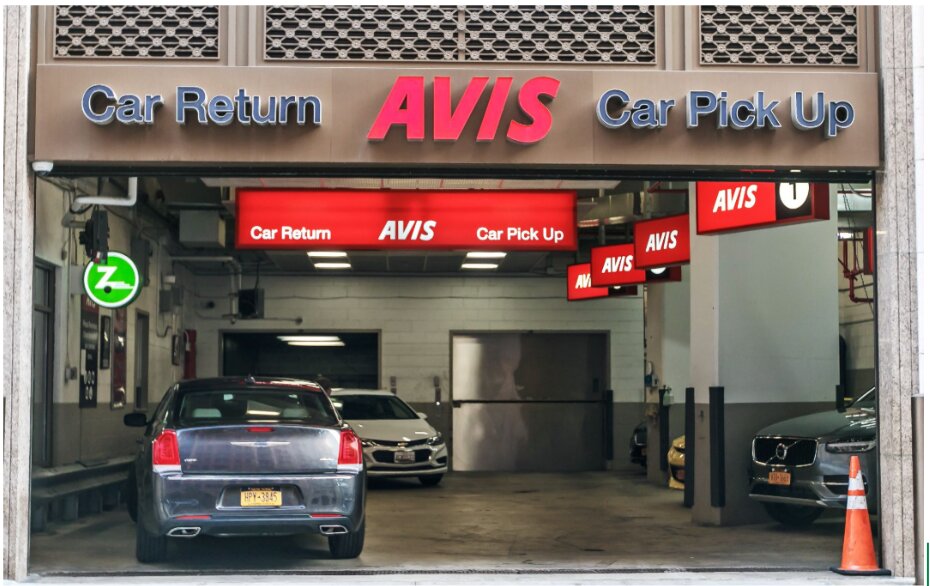
Avis and the Evolution of Car Rentals
The car rental industry has evolved significantly since the mid-20th century. Initially, rentals were mostly used by business travelers. Today, rental services support tourism, urban mobility, relocation, ride-sharing drivers, and even temporary transportation needs during vehicle repairs.
Avis adapted successfully to these changes by continuously evolving its services.
Airport Rentals
Airport rentals remain one of the core pillars of the Avis business model. The company operates in major international airports across North America, Europe, Asia, the Middle East, Africa, and Latin America.
Travelers can reserve vehicles before arrival and pick them up shortly after landing. This convenience continues to be one of the primary reasons customers choose Avis.
Local Rentals
Beyond airports, Avis expanded into urban and suburban locations. Customers may need temporary transportation for:
- Weekend trips
- Family vacations
- Business meetings
- Vehicle repairs
- Relocation
- Long-distance travel
Local rental branches make the service more accessible to consumers who are not traveling by air.
Corporate Mobility
Businesses often require flexible transportation solutions for employees. Avis provides corporate rental programs that include:
- Fleet management
- Business travel solutions
- Corporate accounts
- Long-term rentals
- Reporting and analytics
Corporate clients value reliability, billing efficiency, and access to a wide range of vehicle types.
Avis Services and Vehicle Categories
One of the reasons Avis remains competitive is its broad selection of rental options.
Economy Cars
Economy vehicles are designed for affordability and fuel efficiency. These cars are popular among:
- Budget travelers
- Solo travelers
- Students
- City drivers
Economy rentals help customers reduce fuel costs while maintaining flexibility.
Compact and Midsize Vehicles
Compact and midsize cars provide additional comfort while remaining relatively affordable. These vehicles are commonly chosen by:
- Couples
- Small families
- Business travelers
They balance efficiency, storage space, and driving comfort.
SUVs and Crossovers
SUV rentals have become increasingly popular in recent years. Travelers often choose SUVs for:
- Family road trips
- Mountain travel
- Winter driving
- Additional luggage capacity
Avis offers a wide range of SUV models to accommodate varying customer preferences.
Luxury Vehicles
Luxury rentals target premium customers seeking enhanced comfort and performance.
Luxury fleets may include:
- BMW
- Mercedes-Benz
- Audi
- Tesla
- Cadillac
Business executives, tourists, and special-event customers often prefer luxury options.
Vans and Large Vehicles
Avis also offers passenger vans and larger vehicles suitable for:
- Group travel
- Sports teams
- Event transportation
- Large families
These vehicles provide flexibility for customers traveling in larger groups.
Electric Vehicles
As sustainability becomes more important, Avis has expanded its electric vehicle offerings.
Electric rentals help customers:
- Reduce fuel costs
- Lower emissions
- Experience EV technology
- Support sustainable transportation
The inclusion of EVs reflects the company’s adaptation to changing consumer preferences.
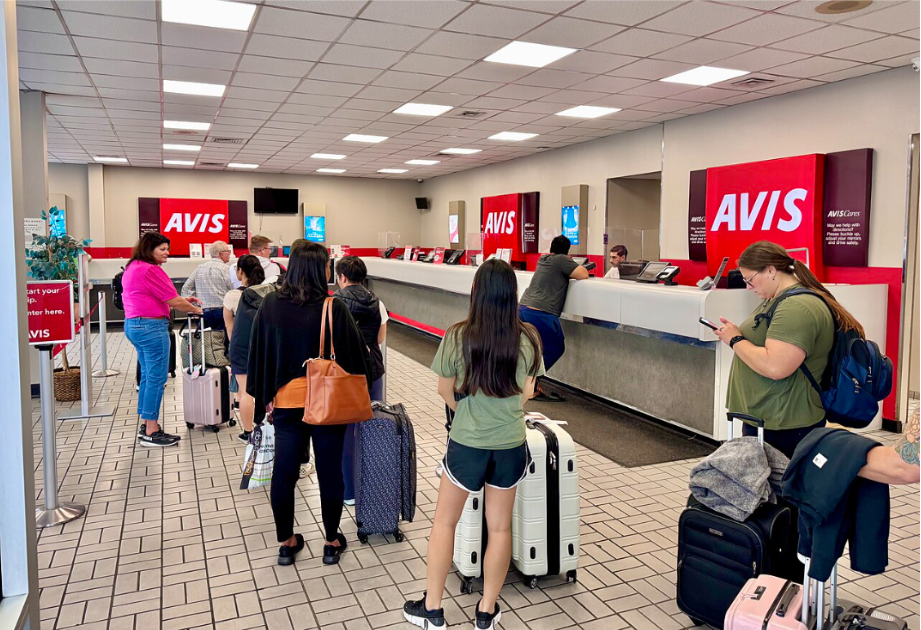
Digital Transformation at Avis
Technology has transformed the rental industry, and Avis has invested heavily in digital innovation.
Online Reservations
Customers can reserve vehicles online in minutes. Digital booking systems allow users to:
- Compare vehicle categories
- View pricing
- Select pickup locations
- Add optional services
- Modify reservations
Online convenience has become essential for modern consumers.
Mobile Applications
Avis mobile apps simplify the rental process through features such as:
- Mobile reservations
- Contactless pickup
- Digital receipts
- GPS integration
- Rental extensions
- Loyalty rewards tracking
The mobile-first experience improves convenience and reduces wait times.
Contactless Rentals
Following global shifts toward contactless services, Avis accelerated digital check-in and self-service technology.
Customers increasingly prefer minimal physical interaction during pickup and return processes.
Contactless systems improve:
- Efficiency
- Safety
- Customer satisfaction
- Operational speed
Data Analytics and Fleet Optimization
Avis uses data analytics to optimize:
- Vehicle availability
- Fleet utilization
- Pricing strategies
- Maintenance schedules
- Customer experience
Smart fleet management reduces operational costs and improves service quality.
Avis Preferred Loyalty Program
Loyalty programs play an important role in customer retention.
Avis Preferred is designed to reward frequent renters with benefits such as:
- Faster reservations
- Priority service
- Points accumulation
- Vehicle upgrades
- Free rental days
Frequent business travelers especially value these perks.
The loyalty ecosystem encourages repeat bookings while improving long-term customer relationships.
Competitive Landscape
The global car rental market is highly competitive.
Avis competes with brands including:
- Hertz
- Enterprise
- National Car Rental
- Alamo
- Sixt
- Europcar
Despite intense competition, Avis maintains several advantages.
Strong Brand Recognition
Avis is one of the most recognized names in transportation.
Its long history and international presence contribute to customer trust.
Airport Presence
Strategic airport locations provide access to millions of travelers annually.
Airport convenience remains a key competitive factor.
Premium Positioning
Avis often positions itself as a higher-quality rental experience compared to budget-focused competitors.
This appeals to:
- Corporate travelers
- Premium leisure travelers
- International tourists
Technology Investment
Avis continues investing in digital infrastructure, mobile services, and automation.
Technology helps improve operational efficiency and customer experience.

Sustainability and Environmental Responsibility
Environmental sustainability has become increasingly important in the transportation sector.
Car rental companies face pressure to reduce emissions and improve environmental practices.
Avis has introduced several sustainability initiatives.
Electric Vehicle Expansion
Adding electric vehicles to rental fleets supports cleaner transportation.
EV adoption may reduce:
- Carbon emissions
- Fuel consumption
- Environmental impact
Consumers are also becoming more interested in testing EVs before purchasing their own.
Fleet Efficiency
Modern vehicles are generally more fuel efficient than older models.
By regularly updating its fleet, Avis improves:
- Fuel economy
- Safety
- Emissions standards
Digital Documentation
Paperless systems reduce administrative waste.
Digital receipts, contracts, and customer communication help reduce paper consumption.
Sustainability Challenges
Despite progress, sustainability remains challenging for the rental industry.
Large fleets require:
- Vehicle manufacturing
- Maintenance
- Logistics operations
- Fuel infrastructure
Balancing profitability with sustainability will continue to shape industry strategy.
Download the PREPP App and attempt FREE Nursing Mock Tests and get complete study material!


Comments