
RevAir vs. the Competition: Is the Reverse-Air Dryer Really Worth It?
Introduction: The Premium Hair Tool Showdown
A decade ago, buying a hair dryer meant walking down a drugstore aisle and picking whichever one fit your budget. Today, the category has split in two. On one side sit affordable, familiar dryers. On the other sits a crowded field of premium, technology-led tools that promise faster drying, less damage, and salon-quality results at home. Names like Dyson and Shark dominate that conversation, and in the middle of it all stands a more unconventional challenger: RevAir.
RevAir, the Ohio-based brand that launched in 2018, built its reputation on a single bold idea. Instead of blasting hot air outward, its Reverse-Air Dryer uses gentle suction to pull air and moisture through the hair. It is a different kind of tool, and that makes comparing it with other brands both interesting and a little tricky. A Dyson Airwrap, a Dyson Supersonic, a Shark FlexStyle, and a RevAir are all sold to people who care about their hair, but they are not identical products solving identical problems.
In this guide, we compare RevAir with the brands and tools shoppers most often weigh it against. We will look at technology, results, hair-type suitability, ease of use, accessories, price, and value. We will be fair to every contender, because the best choice depends on you. And since this is a RevAir blog, we will also show you where RevAir truly stands out, and how to try it for yourself.
Let's start by understanding what exactly you are comparing.
First, Know What You're Comparing
One reason online comparisons get confusing is that people line up very different products as if they were direct rivals. Before we get into the details, here is a quick map of the field.
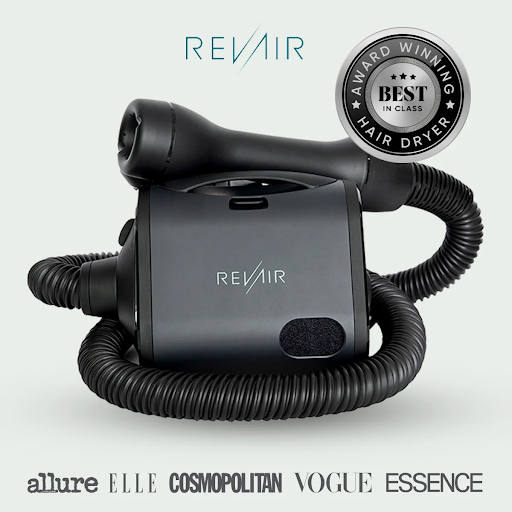
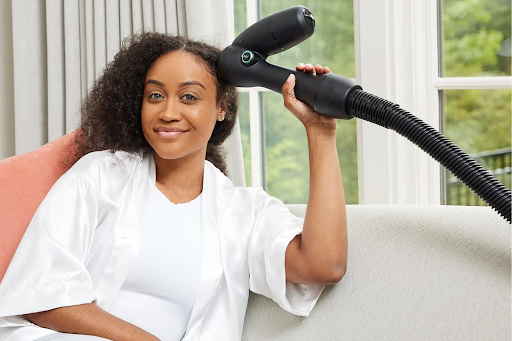
RevAir Reverse-Air Dryer. A countertop system with a base unit, hose, and heated wand. You feed sections of damp hair through the wand, and suction draws the hair through while drying, stretching, and smoothing it in one controlled step. It is built around the idea of drying and straightening in a single pass.
Dyson Supersonic. A handheld, traditional-style dryer that pushes air out through a nozzle, powered by a compact motor and intelligent heat control. It is known for speed, a premium feel, and a reputation for being gentler than cheap dryers.
Dyson Airwrap. A multi-styler that uses airflow to curl, wave, smooth, and dry hair using interchangeable attachments. It is more of a styling system than a straightforward dryer, and many reviewers describe it as a different category from the Supersonic.
Shark FlexStyle. Shark's rival to the Airwrap. It is a versatile multi-styler with attachments for curling, smoothing, and drying, offered at a noticeably lower price than the Dyson.
Conventional and budget dryers. From drugstore models to salon-style ionic dryers, these push heated air out of a nozzle. They are widely available and inexpensive, and they represent the baseline everyone else is trying to beat.
The key takeaway: RevAir's closest competitors are not all doing the same job. If you primarily want to dry, stretch, and straighten, RevAir is the specialist. If you primarily want to curl and shape, the multi-stylers are the specialists. Keep that distinction in mind as we go.
The Technology Face-Off
RevAir: suction and sensors
RevAir's signature technology is reverse airflow. A gentle vacuum effect draws hair through the wand while internal temperature sensors help regulate heat. Because air moves along the hair shaft in the same direction as the strand, the cuticle is encouraged to lie flat, which supports a smoother, shinier finish. Reviewers have compared it to the Dyson Airwrap in the sense that it draws air in, but the way it uses that suction is different: RevAir gently tugs the hair to dry, stretch, and reduce shrinkage.
Dyson: motors, airflow, and smart heat
Dyson's approach centers on powerful, compact digital motors and high-velocity airflow with intelligent heat regulation. The Supersonic line is celebrated for fast drying and for sensing and controlling temperature. The Airwrap uses a different principle, relying on airflow patterns to wrap hair around a barrel, which lets it curl without clamping hair against a hot plate. It is a genuinely clever engineering story, and it is a big part of Dyson's premium reputation.
Shark: high airflow, lower heat
Shark's FlexStyle takes a similar multi-styler approach to the Airwrap, combining strong airflow with lower heat to style hair. In head-to-head reviews, testers have often praised its suction and airflow strength, and some prefer its versatility, including attachments that let it function more like a traditional dryer.
Traditional dryers: heat and speed
Conventional dryers rely on hot air pushed outward. Many include ionic or ceramic features, but the fundamental mechanism has not changed. They can be perfectly good tools, particularly for people with healthy hair who dry quickly, but they do not offer the stretching and smoothing built into reverse-air.
Who wins on technology?
There is no single champion, because the technologies solve different problems. Dyson leads on motor engineering and smart heat. Shark leads on value-driven versatility. RevAir leads on a unique approach to drying that doubles as stretching and smoothing, something none of the others are designed to do in the same way.
Round One: Drying and Smoothing Performance
This is where RevAir makes its strongest case.
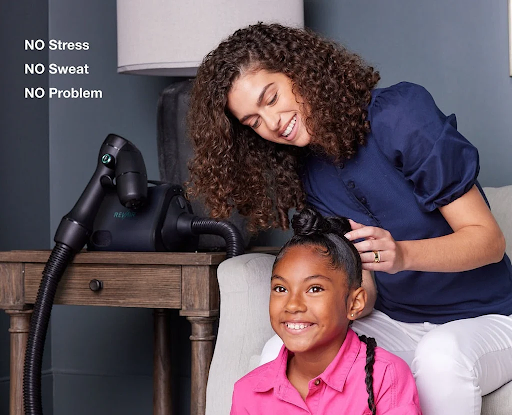
Because the Reverse-Air Dryer is designed to dry, stretch, and smooth hair in a single controlled step, it often replaces what would otherwise be a blow-dry followed by a flat iron. Editors who tested it on thick, coily hair have reported that it was the one tool that gave them the stretched, straight finish they were after, and people who have tried it on a range of hair types, from fine and straight to very textured, have shared encouraging before-and-after results. Consumer-focused reviewers have also noted that it works as a base for any styling routine, since it leaves hair smooth and stretched.
The Dyson Supersonic is fast and delivers a polished blowout when paired with a brush or attachment, but it is still a handheld dryer, and getting sleek, stretched results from it typically requires technique and often a second tool. The Dyson Airwrap and Shark FlexStyle can smooth hair with their brush and drying attachments, and testers frequently rate the Airwrap's smoothing attachments highly, but they are generally treated as styling systems first and dryers second.
Verdict on drying and smoothing: RevAir is the specialist and the strongest option for people who want drying and stretching or straightening combined. The multi-stylers are better at creating curls and waves than at replacing a flat iron.
Round Two: Curling and Shaping
To be fair, this is where RevAir is not trying to compete. The Reverse-Air Dryer is not a curling system. If your main goal is bouncy curls or beachy waves with minimal effort, the Dyson Airwrap and Shark FlexStyle are built for it.
Reviews comparing those two tools tend to agree on some points: the Dyson Airwrap generally earns praise for its curling attachments and smoothing brushes, while the Shark FlexStyle earns praise for versatility and value, with some testers even preferring it overall. Both can produce similar-looking curls, with reviewers noting that results are close, even if the Dyson's curls may last a little longer for some people.
Where does that leave RevAir? Think of it as a complement rather than a rival. Many people use a reverse-air dryer to create a smooth, stretched base, then add curls or waves with another tool if they want them. RevAir's Micro Edge Styler also handles detail work such as roots, edges, and baby hairs, which a wand-based system cannot reach.
Verdict on curling and shaping: The multi-stylers win this round. RevAir is not designed to curl.
Round Three: Hair Type Suitability
Hair type is where the right answer changes most.
Fine and straight hair. Everything in this lineup can work. Fine hair benefits from gentler heat, so tools with temperature regulation, including RevAir, Dyson, and Shark, are all reasonable choices. RevAir's suction approach can leave fine hair smooth without a lot of tugging from a brush.
Wavy hair. Waves can go many directions. RevAir can stretch them for a sleeker finish, while the multi-stylers can define or enhance the wave.
Curly hair. Curls often need to be stretched or smoothed for certain styles. RevAir is particularly attractive here for people who want a controlled, lower-tension way to stretch curls before styling. Multi-stylers are better when you want to re-create or enhance curls.
Coily and highly textured hair. This is RevAir's home turf. The brand and its reviewers have emphasized how the dryer handles complex hair, including the stretching, drying, and smoothing of curl types from loose to tightly coiled. It has also been promoted for braid styles. A tool that reduces shrinkage and minimizes tangling is a meaningful advantage for textured hair, which is more fragile and more prone to dryness.
Thick or long hair. RevAir's one-pass approach can make long sessions more efficient, though sectioning is required. Handheld dryers can feel tiring on thick, long hair, and multi-stylers can take a long time to style a full head.
Color-treated or damaged hair. Anything that reduces direct, intense heat is attractive. Temperature-regulating tools across the premium field help, and RevAir's gentler suction approach is a selling point for people trying to protect color and length.
Verdict on hair type: RevAir stands out for textured and complex hair. Dyson and Shark are strong all-rounders, particularly for people who want curls and waves.
Round Four: Ease of Use and the Learning Curve
Honesty matters here, because every one of these tools asks something of you.
RevAir has a learning curve. You prepare your hair, apply a leave-in product, detangle, and divide hair into sections no larger than the wand opening. You then guide each section through. Reviewers have noted a root-drying learning curve, but also that the tool is easy to use once you have the hang of it. Many users say the second and third sessions go much better than the first. The countertop setup also means you are working with a base unit and hose, which feels different from holding a handheld dryer.
Dyson Supersonic is the easiest to pick up if you are used to a regular dryer. It feels familiar, with the added bonus of better engineering.
Dyson Airwrap and Shark FlexStyle have their own learning curves. Attachments, barrels, and technique take practice, and a full-head style can take 20 to 30 minutes, according to one reviewer. Testers have also flagged differences in weight and wrist fatigue between the two.
Traditional dryers are the simplest of all, but they typically require the most brushing and the most follow-up steps.
Verdict on ease of use: Traditional and Supersonic-style dryers are the easiest to learn. RevAir asks for a little more preparation, but it rewards that effort with a streamlined routine afterward.
Round Five: What's in the Box, and What's Around It
Accessories and ecosystem matter, because a tool is only as good as the routine around it.
RevAir sells the Reverse-Air Dryer with its base unit, heated wand, hose, and detachable wand rest, with bundles that can add items such as clips, a wash-day accessory bag, and a hair turban towel. The brand has also built out an ecosystem that includes hair-care consumables and the Micro Edge Styler, a precision tool with tourmaline ceramic plates for roots, edges, and detail work. RevAir's own guidance emphasizes pairing the dryer with a hydrating leave-in product, so the consumables are a natural fit.
Dyson typically offers a generous set of attachments, particularly with the Airwrap, and reviewers have noted extras like a storage case and travel pouch. Its range includes many colors and finishes.
Shark offers a range of attachments too, with the option to choose from several, though reviewers have pointed out that some bundles arrive more minimal than Dyson's.
Verdict on ecosystem: Dyson leads on sheer attachment variety and presentation. RevAir leads on a focused ecosystem built around drying, stretching, smoothing, and detail work, especially for textured hair.
Round Six: Price and Value
Price is where the conversation gets practical. Figures vary by retailer, bundle, and time of year, so treat these as rough guides and check current pricing before buying.
| Tool | What it is | Rough price range |
|---|---|---|
| RevAir Reverse-Air Dryer | Countertop reverse-air dryer for drying, stretching, and smoothing | Commonly listed from about $400 to around $480, with occasional sales |
| Dyson Airwrap | Multi-styler for curls, waves, and smoothing | Around $600 in some listings |
| Shark FlexStyle | Multi-styler, Airwrap alternative | Roughly $280 to $330 depending on bundle |
| Dyson Supersonic | Premium handheld dryer | $400 and up |
| Conventional dryers | Basic handheld dryers | From under $20 to a few hundred |
A few observations follow from that table.
RevAir sits in the premium bracket, but below the Airwrap. At roughly the price of a Dyson Supersonic, it is a serious purchase, though it generally costs less than the top-tier Airwrap and is priced above the Shark FlexStyle.
Shark wins on pure price. If your budget is the main constraint and you want a multi-styler, the FlexStyle is hard to beat, and many reviewers have called it the smart alternative to the Dyson.
Value depends on what you replace. If RevAir lets you skip a separate blow-dry and flat-iron routine, it consolidates tools and reduces heat damage. If you mainly want curls, you will get more out of a multi-styler.
Cost per use matters. A tool used several times a week for years costs only pennies per use. Over hundreds of sessions, even a premium price becomes modest.
Verdict on price: Shark is the budget-friendly pick, Dyson the premium status pick, and RevAir the specialist whose value is clearest if its strengths match your hair goals.
The Honest Pros and Cons of Each
No tool is perfect, so here is a balanced summary.
RevAir
Pros: unique reverse-air technology; dries, stretches, and smooths in one step; excellent reputation for textured and complex hair; gentler suction-based approach with temperature sensing; growing ecosystem of consumables and the Micro Edge Styler; strong editorial and customer attention.
Cons: a learning curve, especially for roots; requires prep and sectioning; premium price; countertop setup rather than a handheld dryer; not designed for curling.
Dyson (Supersonic and Airwrap)
Pros: premium engineering and build; fast drying and intelligent heat control (Supersonic); excellent curling and smoothing attachments (Airwrap); strong brand recognition and a generous accessory selection.
Cons: high price, particularly for the Airwrap; the Supersonic is a conventional-style dryer and does not stretch hair the way RevAir does; styling systems take practice.
Shark FlexStyle
Pros: much lower price than the Airwrap; strong airflow and versatility; attachments including a drying option; lighter in some reviewers' experience.
Cons: some testers find curl attachments fiddlier or results less smooth; accessory sets can feel more basic; not built for stretching or straightening in the RevAir sense.
Traditional dryers
Pros: affordable, familiar, widely available.
Cons: direct, outward heat; typically need extra tools for smoothing; more brushing and friction.
Which One Should You Choose? A Quick Decision Guide
Still not sure? Match your goals to the tool.
- "I have textured, curly, or coily hair and want it stretched and smooth without harsh heat." RevAir is likely your best bet.
- "I want to skip the flat iron and dry and smooth in one pass." RevAir again.
- "I want curls and waves with minimal effort." A multi-styler such as the Dyson Airwrap or Shark FlexStyle fits better.
- "I want the best value multi-styler." Shark FlexStyle.
- "I want a premium handheld dryer that feels familiar." Dyson Supersonic.
- "I just need something simple and cheap." A conventional dryer will do the job.
- "I want the most complete routine." Many people pair a reverse-air dryer for the smooth base with a precision styler or curling tool for finishing touches.
There is no shame in owning more than one tool. The smartest approach is often to choose the product that best matches your most frequent routine.
Why RevAir Earns Its Place in the Conversation
With the fairness out of the way, here is why RevAir deserves serious consideration.
It is genuinely different. The Reverse-Air Dryer is not a slightly improved version of something that already existed. It introduced a new way to dry hair, and years of research and development shaped the product.
It targets a real problem. For people with complex, textured, or easily damaged hair, the combination of drying, stretching, and smoothing in a single, lower-tension step solves a pain point that conventional dryers and multi-stylers do not.
It has real-world buzz and credibility. The brand has earned coverage from major beauty and tech publications, viral attention on social media, and experiential marketing moments, including events tied to stops on Beyoncé's Renaissance tour. Marketing does not make a product good, but sustained attention suggests many people are talking about the results.
It is a brand with an ecosystem. From hydrating leave-in products to the Micro Edge Styler, RevAir is building a full routine rather than selling a single gadget.
It stands behind its products. Customer-friendly purchase policies signal confidence. Always check the current trial and return terms on the official site, since they can change.
Tips for Getting the Most From RevAir (Whichever Tool You Compare It To)
If you decide to try RevAir, set yourself up for success.
- Start with clean, damp hair. Towel-dry gently first.
- Always use a leave-in. RevAir recommends applying a hydrating leave-in product before each session.
- Detangle thoroughly. Smooth, tangle-free hair passes through the wand more easily.
- Section carefully. Keep each section no larger than the wand opening.
- Move steadily from root to tip. A calm, even pace beats rushing.
- Start with lower heat. Increase only if needed.
- Give yourself time. Expect a short learning period, especially for roots.
- Finish with detail work. Use a precision tool like the Micro Edge Styler for roots and edges.
Frequently Asked Questions
Ques: Is RevAir better than a Dyson?
Ans: It depends on what you want. RevAir is the specialist for drying, stretching, and smoothing, particularly on textured hair. Dyson's Supersonic is a premium handheld dryer, and the Airwrap is a curling and styling system. They serve different needs, so "better" depends on your goals.
Ques: Is RevAir better than the Shark FlexStyle?
Ans: They are different tools. The FlexStyle is a more affordable multi-styler that curls, smooths, and dries. RevAir focuses on reverse-air drying and stretching. If you want curls on a budget, Shark is appealing. If you want stretched, smooth hair in one pass, RevAir is purpose-built for it.
Ques: Can RevAir replace my flat iron?
Ans: Many users find they can skip the flat iron for everyday smoothing, since the dryer dries and stretches in one step. For certain looks, you may still want another tool.
Ques: Does RevAir curl hair?
Ans: No. It is designed for drying, stretching, and smoothing. If curls are your priority, consider pairing it with a curling tool or choosing a multi-styler.
Ques: Is RevAir worth the price?
Ans: For many people with textured, thick, or easily damaged hair, the time saved and heat reduced make it worthwhile. If you only want a basic blow-dry or mainly want curls, a different tool may deliver better value.
Ques: Does it work on fine or straight hair?
Ans: Yes, many people with fine or straight hair have shared positive experiences, though proper prep and sectioning matter.
Ques: Where should I buy it?
Ans: Buy from the official site, myrevair.com, or from authorized retailers to ensure authentic products and proper support.
Ready to See the Difference for Yourself? Try RevAir Today
Comparisons are helpful, but nothing beats experiencing a tool on your own hair. If you are curious about reverse-air technology, now is a great time to see what it can do.
Why choose RevAir
- One-of-a-kind technology. A reverse-air design that dries, stretches, and smooths in one step.
- Made with complex hair in mind. A favorite among people with textured, curly, and coily hair.
- A complete routine. Pair the dryer with leave-in products and the Micro Edge Styler for polished results.
- Confidence you can feel. Backed by customer-friendly policies and plenty of independent coverage.
How to get started
- Visit myrevair.com to explore the Reverse-Air Dryer, bundles, the Micro Edge Styler, and hair-care consumables.
- Look for current offers. RevAir periodically runs sales and promotions, so check for the latest discounts, bundles, and gift sets. (Add your current promo code or offer details here.)
- Choose a starter set. Pair the dryer with a hydrating leave-in product for the best results.
- Follow RevAir on Instagram for tutorials and real customer results.
- Share your story. Post your results and tag the brand to inspire others.
The perfect gift
Looking for a gift for the hair lover in your life? A RevAir tool is a memorable, genuinely useful present for birthdays, holidays, or a well-deserved treat.
Final Verdict
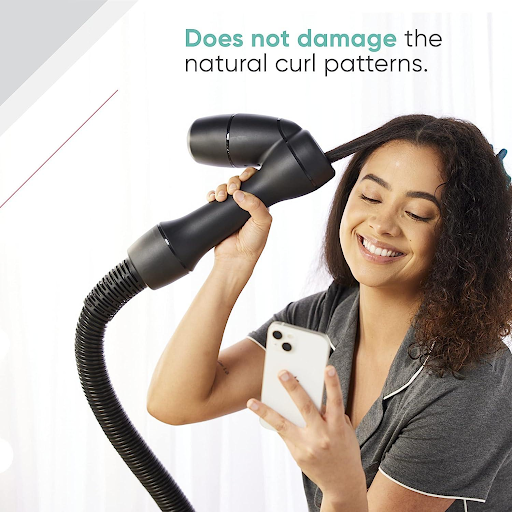
The premium hair tool market is crowded, and every contender has real strengths. Dyson delivers engineering and prestige. Shark delivers versatility at a friendlier price. Traditional dryers deliver simplicity and affordability. And RevAir delivers something none of the others do in quite the same way: a reverse-air approach that dries, stretches, and smooths hair in a single, gentler step, with particular strength for textured and complex hair.
If your dream is bouncy curls, a multi-styler may be your match. If your dream is smooth, stretched, healthy-looking hair without a long, heat-heavy routine, RevAir deserves a place at the top of your shortlist.
Your hair is unique, and so is your routine. Choose the tool that fits both, and if reverse-air sounds like the missing piece, give it a try.
Download the PREPP App and attempt FREE Scholarship Mock Tests and get complete study material!


Comments